Zhu Rongji, China’s Architect of Global Trade, Dies at 97
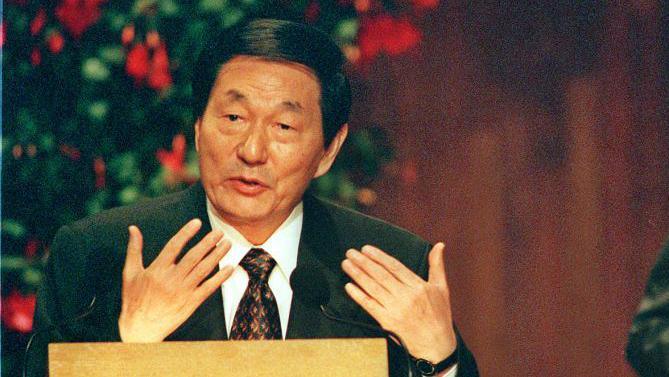
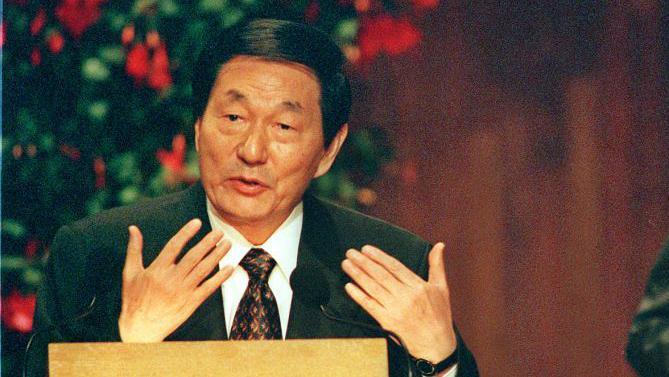
China’s former premier, known internationally for steering Beijing into the World Trade Organization and turning the nation into an industrial powerhouse, died on Sunday at the age of 97. The late Zhu was born in 1928 in the Hunan province and entered the Communist Party in the early days after the civil war.
His tenure in the second‑highest state position ran from 1998 to 2003, a period that demanded decisive reforms and rapid opening of markets. Zhu’s policy agenda was centred on shifting tax powers to the central government, closing or privatising failing state enterprises and encouraging home ownership. He was a fierce opponent of corruption and openly criticised officials who abused their power.
In 1998, during a period of significant internal strain, he warned that China faced potential crises, citing corruption, wealth gaps and local “tyrants”. He compared some officials to “half‑wits” and described flood barriers as “flimsy”. Those bold statements earned him a reputation for being tough, pragmatic and unafraid to confront the system.
By the time of his departure from office, China had entered the World Trade Organization in 2002, laying the groundwork for a boom that would lift the country into a position of global manufacturing authority. The reforms were not without cost: about thirty million workers lost jobs in five years and inequalities widened. Nevertheless, the economic growth remained double‑digit for most of his premiership.
State media memorialise Zhu as “an outstanding member of the Communist Party” and a “loyal fighter”. His legacy, from an international perspective, reflects a blend of aggressive market liberalisation, anti‑corruption measures and a bold drive to integrate China into the global economy.