In brief
The month-long synod culminated in a notable push for women’s leadership within the Church, although enthusiasts for reform hoped for more substantial changes regarding ordination and inclusivity for the LGBT+ community.
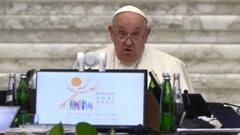
The Vatican has concluded a pivotal month-long synod, primarily aimed at enhancing leadership roles for women in the Catholic Church. However, it fell short of addressing the calls for women's ordination as priests - a prospect that many progressives had anticipated at the outset. Pope Francis opened this typically bishops-only event to include a broader representation, allowing nearly 60 women among the 368 voting delegates.Throughout the synod, participants evaluated 151 proposals, with all ultimately passing by the necessary two-thirds majority. However, the proposal advocating for expanded leadership roles for women faced the highest number of dissenting votes, highlighting resistance within the ranks of the clergy. The current structure of the Catholic Church permits only men to serve as deacons—although these individuals can officiate at weddings, baptisms, and funerals, they cannot celebrate Mass.While reform advocates were hopeful that this synod might lead to women being permitted to serve as deacons, the concluding document merely stated that “there is no reason or impediment” obstructing women's involvement in leadership roles. In the same vein, many were looking for more definitive pathways to inclusivity for the LGBT+ community within the Church. Nonetheless, the final document only made a vague reference to individuals feeling “excluded or judged” based on their “marital status, identity or sexuality.”Reverend James Martin, a notable Jesuit priest who has actively engaged with the LGBT community and participated in the synod, expressed that the document’s failure to mention the LGBT+ community specifically was unsurprising. The outcomes have elicited mixed reactions, with some progressives expressing disappointment while traditionalists have raised objections since the summit's inception, arguing against the inclusion of lay opinions in such ecclesiastical matters.Despite the divergent views surrounding the synod, Pope Francis characterized the final document as a “gift” to the 1.4 billion Catholics worldwide. His inclusive approach underscores his belief that grassroots members of the Church should play a role in defining its future, a philosophy that has made him a polarizing figure among traditionalists within the Church’s hierarchy.