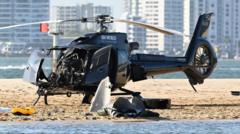
The collision occurred shortly after one helicopter took off while another was landing. Tragically, those who perished were aboard the departing aircraft, while the other helicopter managed to make an emergency landing, although passengers suffered various injuries.
Investigators have linked the accident to Sea World’s operational changes, including an additional helipad and the introduction of larger helicopters, which eroded existing risk management controls concerning flight traffic. One key finding indicated that the pilot of the helicopter taking off failed to receive essential alerts due to the malfunctioning antenna.
A ground crew member mistakenly informed this pilot that the airspace was clear, leading to critical confusion. Meanwhile, the pilot operating the landing helicopter, having observed the other craft on the ground, didn’t perceive it as a threat as he was not made aware of any impending changes in airspace status due to the antenna failure.
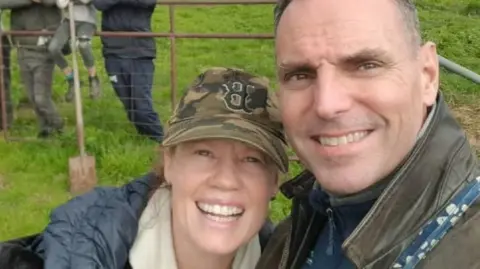
Among the deceased were Diane and Ron Hughes, a couple from Cheshire, and local Sydney resident Vanessa Tadros, along with Sea World Helicopter pilot Ashley Jenkinson. ATSB’s report emphasized the essential nature of managing operational changes in aviation to prevent adverse safety impacts.
The bureau disclosed 28 findings aimed at highlighting crucial safety lessons for aviation operators and pilots, with Chief Commissioner Angus Mitchell underscoring the potential dangers inherent in seemingly progressive operational adjustments.
Investigators have linked the accident to Sea World’s operational changes, including an additional helipad and the introduction of larger helicopters, which eroded existing risk management controls concerning flight traffic. One key finding indicated that the pilot of the helicopter taking off failed to receive essential alerts due to the malfunctioning antenna.
A ground crew member mistakenly informed this pilot that the airspace was clear, leading to critical confusion. Meanwhile, the pilot operating the landing helicopter, having observed the other craft on the ground, didn’t perceive it as a threat as he was not made aware of any impending changes in airspace status due to the antenna failure.
Among the deceased were Diane and Ron Hughes, a couple from Cheshire, and local Sydney resident Vanessa Tadros, along with Sea World Helicopter pilot Ashley Jenkinson. ATSB’s report emphasized the essential nature of managing operational changes in aviation to prevent adverse safety impacts.
The bureau disclosed 28 findings aimed at highlighting crucial safety lessons for aviation operators and pilots, with Chief Commissioner Angus Mitchell underscoring the potential dangers inherent in seemingly progressive operational adjustments.