
In brief
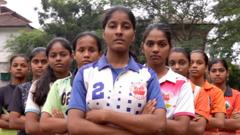
The emergence of an all-girls kabaddi club in rural India is paving the way for personal empowerment and social change, as young girls embrace sports in a culture that often restricts them.
---In the small tribal village of Kudoshi, located 230km from Mumbai, 14-year-old Meena finds herself immersed in a world of excitement and opportunity through the sport of kabaddi. The contact sport, cherished in Indian culture, now extends its reach, providing Meena and her peers not just an outlet for competition, but a means to escape traditional societal expectations."When I play, I feel powerful; I'm not just Meena doing chores," she expresses, highlighting the liberation sports offer amidst the limitations of her rural upbringing. For the girls in this region, where life often revolves around household responsibilities and marriage, kabaddi presents a rare opportunity to envision a different future.Fifteen years ago, this groundbreaking club was established by a group of local teachers, led by Daji Rajguru, who wanted to change the narrative for girls in the village. With a modest initial investment of 5,000 rupees ($60) and determination, they began teaching girls the fundamentals of kabaddi, aiming to inspire ambitions that went beyond domestic roles.Initially, the endeavor faced resistance. Parents were hesitant, fearing for their daughters’ safety and the potential effects on marriage prospects. However, Daji and his team took a grassroots approach, visiting homes to reassure parents and emphasize their commitment to safety and the girls' well-being. Their passion and dedication soon paid off, as interest blossomed and the club grew to include about 30 girls participating regularly.Now, these young athletes train diligently after and before school, dedicating hours to their sport. Despite the challenges—including the lack of familial support—Meena presses on, inspired by role models from the club who have turned their dreams into reality. Former club members, like Siddhi Chalke and Samreen Burandkar, now compete professionally, showcasing how sports can lead to financial independence and personal fulfillment.The transformative power of kabaddi extends beyond individual success; it's reshaping societal views. Parents who once scorned their daughters' involvement in sports now find pride in their achievements, and many club members are encouraged to pursue higher education and delay marriage.Coaching the girls has also fostered strong mentoring relationships, bridging the gap often found in traditional parenting. As they witness their daughters become confident leaders, attitudes within the community are shifting toward greater acceptance of female empowerment through sports.The club thrives on financial support from coaches, tournament winnings, and donations, ensuring accessibility for all participants, particularly those from underprivileged backgrounds. Additionally, the club organizes summer camps, providing meals and medical treatment for injuries—all while prioritizing a safe environment for the girls to flourish.Despite occasional criticisms regarding the focus on girls' sports, Daji emphasizes the existing disparities. “Boys already have ample opportunities,” he states, reinforcing the club's mission to uplift young girls and provide them with a platform to succeed.As Meena visualizes her future leading India's kabaddi team, the club stands testament to a new path for girls in Kudoshi—one that is built on empowerment, dreams, and breaking traditional barriers within their communities.

