Why Thousands Took to the Streets: Inside India's ‘Cockroach’ Protest
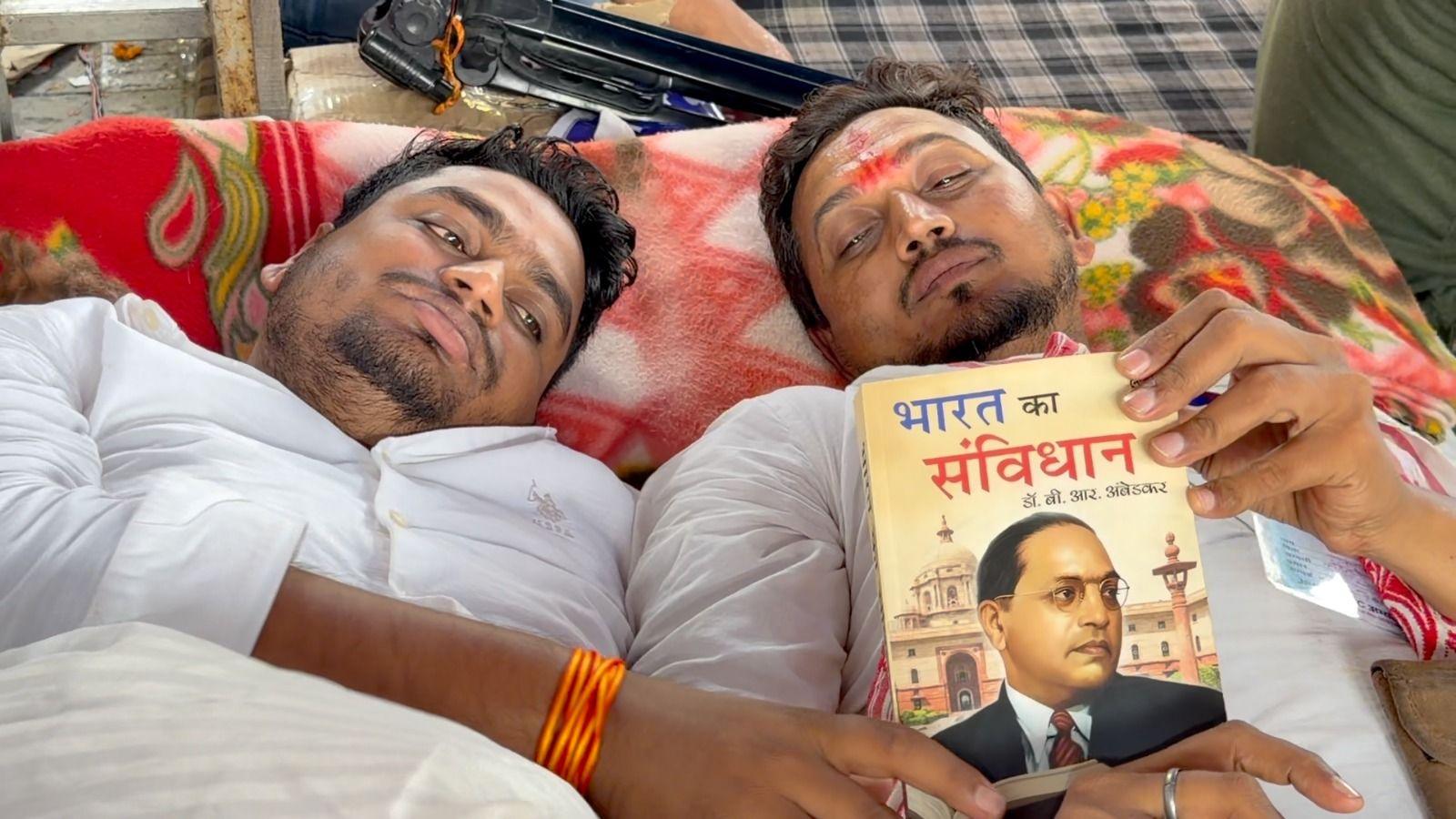
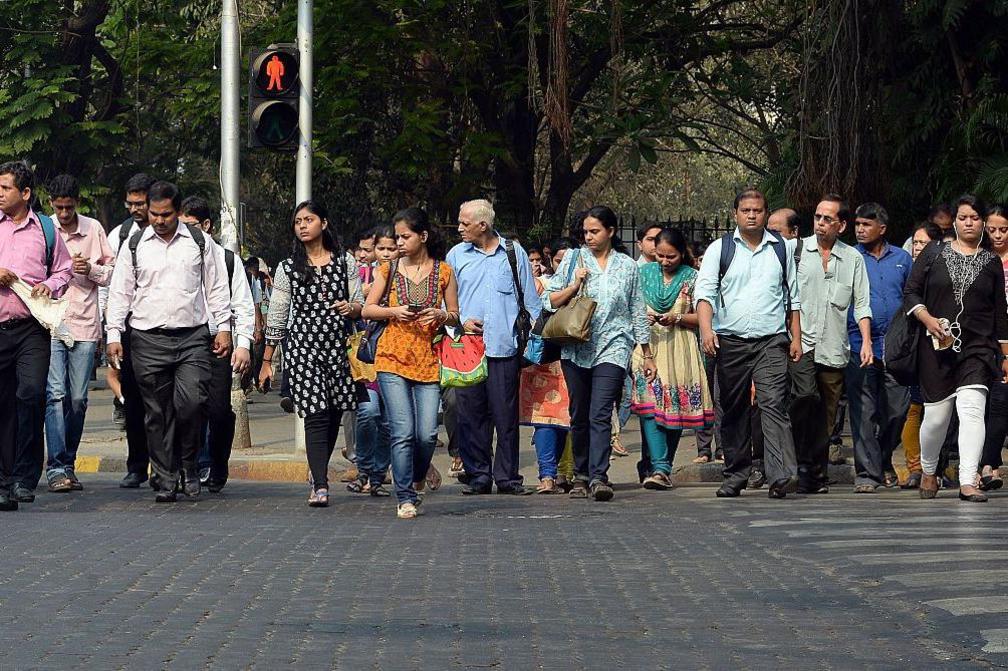
In late July, a wave of youthful energy rippled across India’s capital and beyond. Tens of thousands of Gen Z students, artists and activists gathered in mass rallies in Delhi, Lucknow and Bengaluru, chanting for the resignation of Education Minister Nirmala Sitharaman.
The demand began almost as a joke—a satirical Instagram challenge that called for a ‘Cockroach Janta Party’ (CJP). The meme’s simplicity and the absurdity of a cockroach mascot turned into a rallying cry for demonstrators who felt unheard by the government’s education reforms.
From Meme to Mobilisation
Fast online growth gave way to real‑world camps. Organisers set up digital sign‑boards in public squares, streamed the march live, and coordinated through WhatsApp groups. Protesters carried banners that read, “Stop the cockroach from “killing” education for us.”
Why a Cockroach?
The cockroach is known for surviving in the roughest environments. For the crowd, it became a metaphor for the government’s perceived endurance of systemic failings. “It’s not about disrespect,” said one protester in a video, “but about recognising the limp structure that keeps us from real change.”
Impact and Significance
The movement has drawn attention to broader educational inequities, with voices amplifying demands for curriculum reforms, greater teacher training and transparent curriculum policies. Politicians have responded by setting up listening tours, but critics argue that such actions merely placate protest without offering solid solutions.