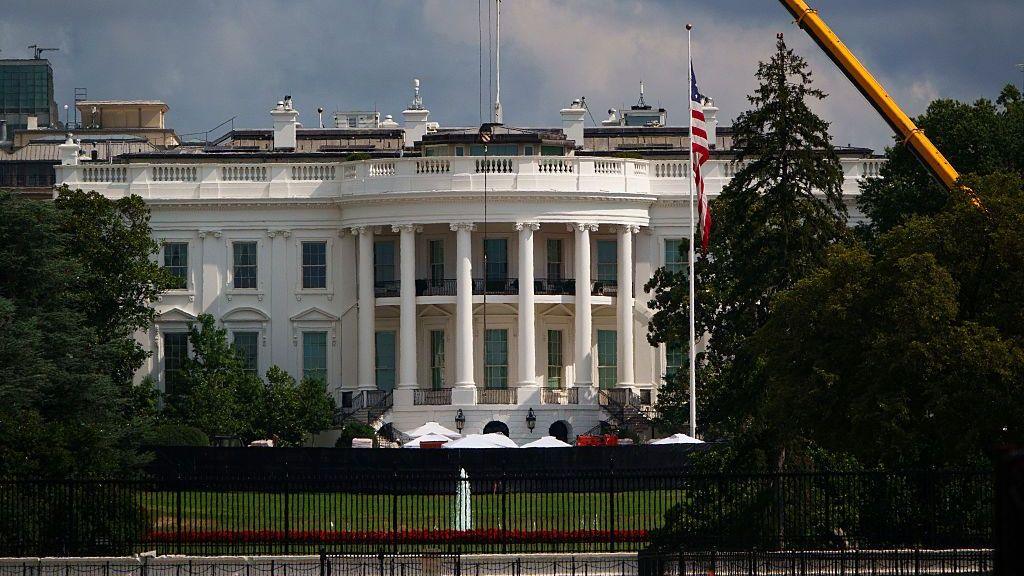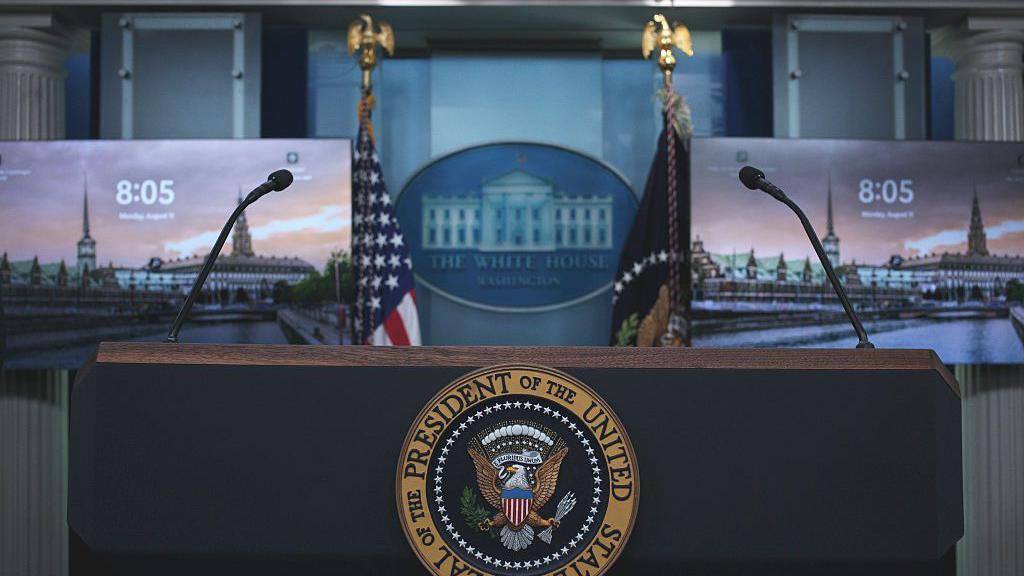
The White House lost a pillar of its communications team when press secretary Karoline Leavitt announced she will step down at the end of the month. In a period of political exhaustion and a relentless media cycle, Trump’s choice for her replacement carries the weight of public perception, policy messaging, and the President’s personal trust.
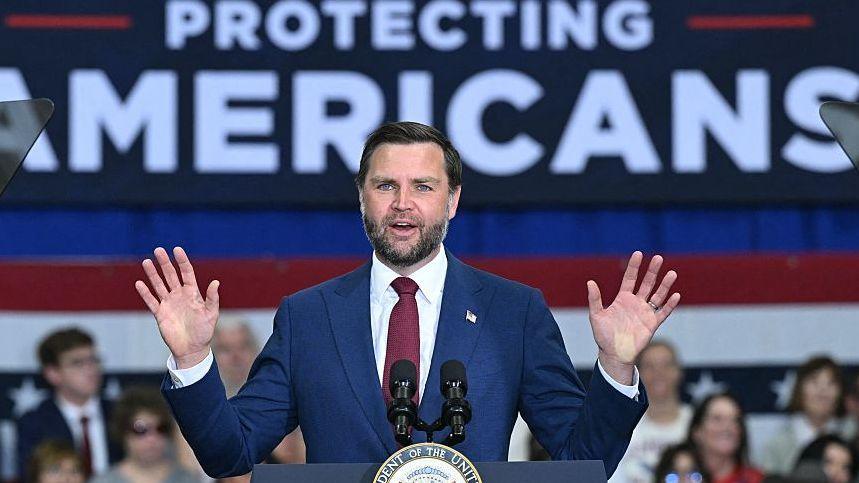
So far the administration has made no formal statement regarding who will fill the role, and insiders say a decision has not yet been reached. Until a recusal is formalised, the White House has handed briefings to senior aides such as Vice‑President J.D. Vance and Secretary of State Marco Rubio, a temporary bureaucratic arrangement that illustrates how the president fills gaps while keeping his own negotiating hand on the matter.
Alina Habba – The Former Legal Powerhouse
Habba was Trump’s personal lawyer and the president’s counsellor during the first weeks of his return to the Oval Office. A 42‑year‑old New Jersey attorney, she also headed the state’s U.S. attorney office in a brief acting capacity before resigning in 2024 after a court challenge to her nomination. The “unwavering in her loyalty” that Trump praised would be a selling point for a press secretary who must blend legal understanding with sharp media defense.
Katie Miller – Conservative Podcaster and Media Insider
At 34, Miller is already a well‑known face on conservative platforms and was vice‑presidential press secretary for Mike Pence from 2019–2021. Married to Stephen Miller, the White House’s deputy chief of staff and architect of the hard‑line immigration agenda, Martina sits at the intersection of policy and media. Her tenure as communications director for the “Department of Government Efficiency” under Elon Musk’s so‑called Doge initiative demonstrates an ability to juggle high‑profile messaging in fast‑paced environments.
Anna Kelly – A Former Beauty Queen with Diplomatic Roots
Kelly, a deputy press secretary for Leavitt, brings a decade of experience from the Republican National Committee and a background in the Department of Homeland Security. Though she has kept a low public profile, her career spans ministries of the Treasury and State during Trump’s first term and a stint as communications director for Ohio’s governor, giving her solid policy‑media cross‑function access.
Sage Steele – Political Commentator with High‑Profile Support
Steele, a former TV anchor turned commentator, covered Trump’s campaign drama on CNN in 2024. Her reputation as a “conservative media hero” and her previous stints in sports broadcasting bring a charismatic flair that could translate into a press team that both explains and defends, albeit with a potential oversight risk.
Steven Cheung – Communications Architect for the Republican Base
Cheung is the White House’s communications director, known for his combative style and championing Trump’s narrative. Having served both in 2016 and 2020 campaigns, his deep entrenchment in Republican networks and his control over the rapid‑response apparatus position him well to manage the press office’s daily operations.
Tricia McLaughlin – Immigration Policy Advocate
Former assistant secretary for public affairs at Homeland Security, McLaughlin has a long history of defending Trump’s immigration stance on television and press platforms. Though she has stepped back from frontline media work, her continued involvement in communications for Ohio Governor Mike DeWine and the Vivek Ramaswamy campaign would give her a solid policy‑centric perspective.
Scott Jennings – The Defender with a TV Edge
Jennings, a senior political contributor on CNN, famously defended Trump in a manner that has earned him praise from Trump’s base. With a history of working on multiple presidential campaigns and a close relationship with former Senator Mitch McConnell, his quick‑fire response skills would serve the press office well against relentless questioning.
Choosing a successor to Leavitt will not only involve skill and loyalty, but also an eye on the President’s ever‑watchful gaze. The remaining green‑lit candidates each bring a unique blend of legal, media, and policy experience to the table – a table that, until a decision is announced, sits empty at the heart of Washington’s communications engine.