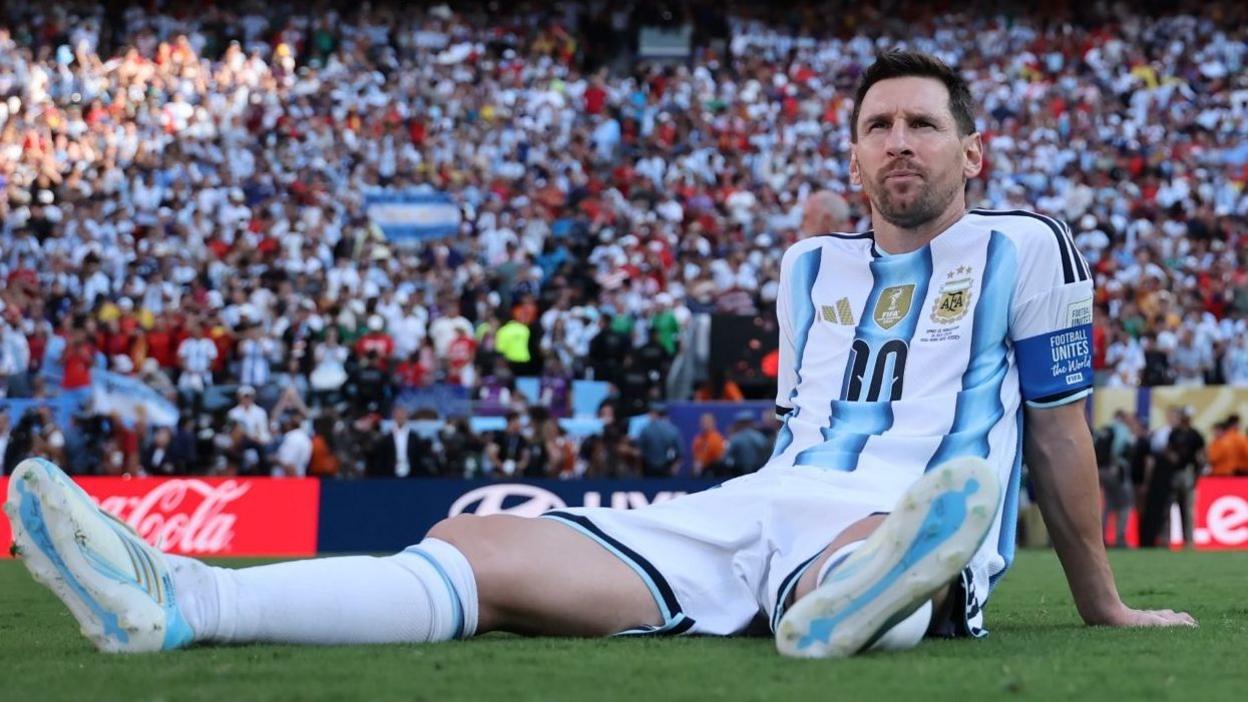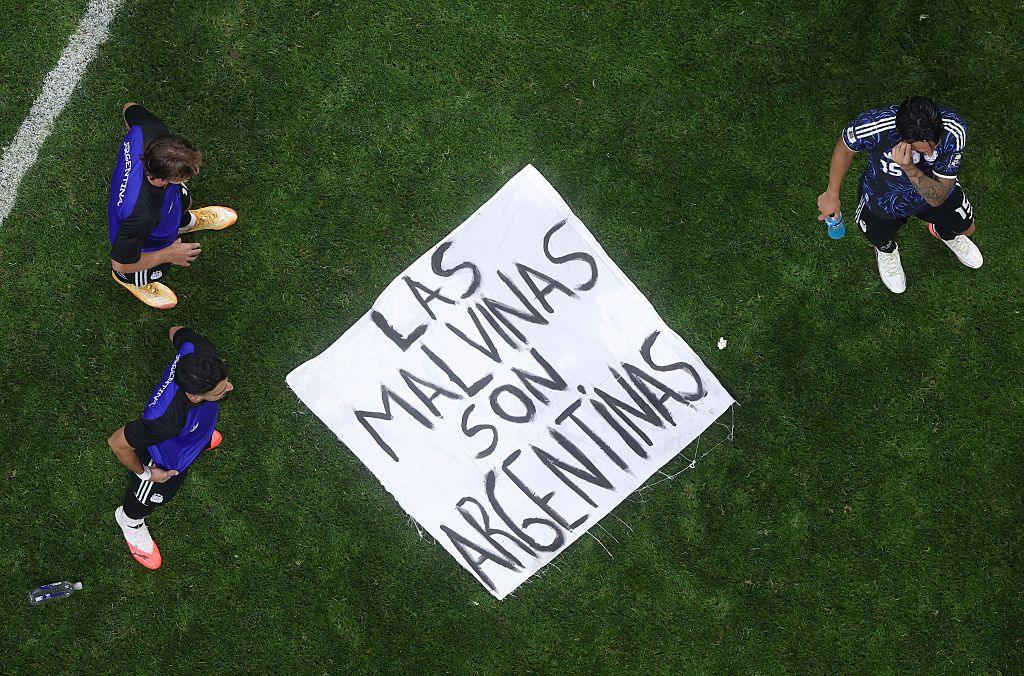
After a dramatic 3-2 win over England in the 2026 World Cup semi‑finals, Argentina’s football squad waved a banner that read Las Malvinas son Argentinas, asserting the island group is Argentine territory.
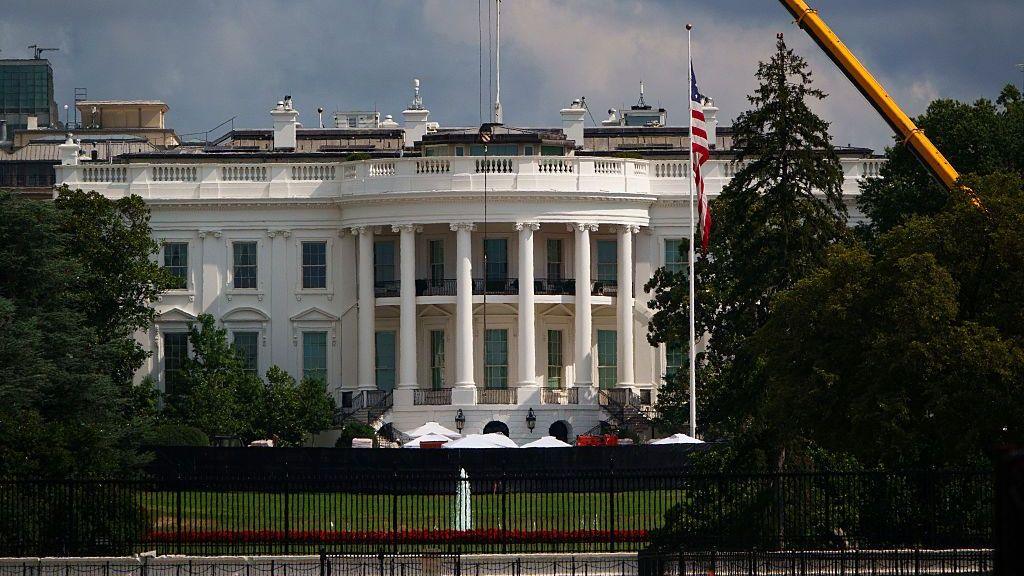
The White House responded by defending the players’ right to free speech, citing the U.S. First Amendment. Andrew Giuliani, the head of the White House FIFA task force, said the athletes had an opportunity to “make those statements” during the match.
Argentina now faces potential disciplinary action from FIFA, who also cautioned that political statements on the pitch violate club and international regulations.
Downing Street has urged FIFA to investigate the incident, with the UK prime minister’s spokesperson stressing that “the Falkland Islands definitely are ours” and that political slogans should not be allowed in sport.
The Falkland Islands, a British overseas territory, voted overwhelmingly in 2013 to remain part of the United Kingdom, a decision that clashes with Argentina’s claim that the islands belong to its sovereign territory.
The dispute dates back to the 1982 Falklands War, which left 255 British military personnel, three islanders and 649 Argentine soldiers dead. The current controversy shows how echoes of that conflict still reverberate in international sport.
With FIFA’s possible sanctions pending and political tensions mounting, the event underlines the sensitive intersection of sport, national identity and diplomacy.