
In brief
Dos Santos, once deemed "Africa's richest woman", alleges that the UK government's actions are politically charged and lack substantial evidence.
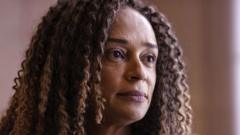
Isabel dos Santos, the prominent Angolan entrepreneur, has publicly criticized the UK government's recent sanctions against her, labeling them as unjust and politically motivated. Speaking to the BBC, dos Santos stated that the UK's actions came as a shock, asserting that she has not been convicted of corruption in any judicial system worldwide. The UK government had branded her a "notorious kleptocrat," implementing a travel ban and freezing her assets based on allegations that she embezzled an estimated £350 million from Angola's wealth.From her residence in Dubai, the 51-year-old tycoon contended that the Angolan government is leading a smear campaign to undermine her reputation. Dos Santos emphasized that there was no formal inquiry conducted concerning her alleged wrongdoing, stating, "There was no due process." UK Foreign Secretary David Lammy's announcement of sanctions coincides with his initiative to eradicate "dirty money." A statement from the UK government accused dos Santos of exploiting her positions in state companies to divert substantial financial resources away from Angola, hindering the country's development.Angola's attorney-general's office responded, distancing itself from political motivations and asserting the legitimacy of their investigations into the allegations. The British Foreign Office highlighted its authority under Global Anti-Corruption Sanctions Regulations, noting that it can impose designations on individuals suspected of serious corruption, with a process for reviews available to those sanctioned.The accusations directed at dos Santos first emerged in 2020, following the "Luanda Leaks" investigation by BBC Panorama, which revealed documents potentially linking her to suspicious dealings facilitated through a company based in London. Born to Angola's former president, dos Santos enjoyed a prestigious education in the UK and ventured into business, eventually establishing a substantial enterprise encompassing various sectors, including telecommunications and construction.Having held significant roles within Angola's oil sector, dos Santos faced intensified scrutiny following her father's resignation in 2017 and has experienced ongoing legal battles that prevented the courts from addressing her frozen assets. Amidst personal tragedies such as the deaths of her husband and father, dos Santos has been vocal about her desire to share her narrative and confront misconceptions about her life and career.Dos Santos expressed a potential interest in engaging in politics to serve Angola, asserting, "To lead is to serve." Her reflections on her tumultuous journey highlight an ongoing saga of power struggles within Angola and the broader context of international perceptions surrounding wealth and governance in Africa.


