In brief
The article examines the consequences of recent U.S. and Israeli military actions in Yemen, highlighting the tragic loss of civilian lives and the exacerbation of the humanitarian situation in the region. It details the story of a civilian victim of an airstrike, underscoring the complexities involved in the conflict. As tensions escalate with Houthi strikes against Israel, the spotlight continues to remain on the impact of retaliatory military strategies on the vulnerable Yemeni population.
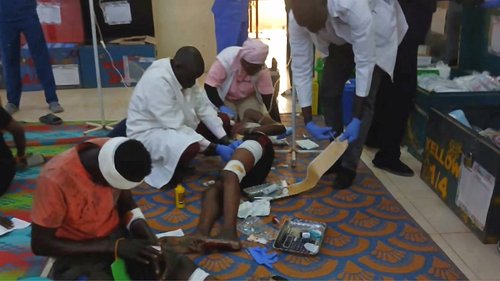
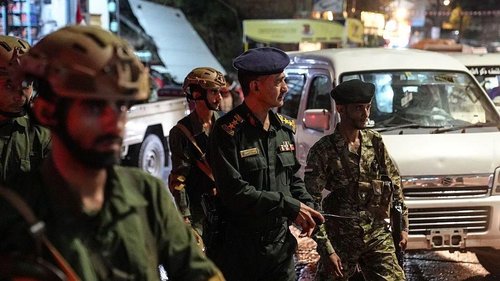
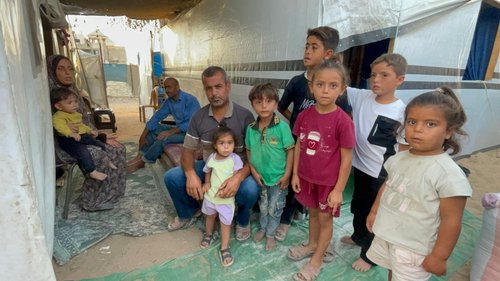
In a harrowing account from Yemen, Mohammed Omar Baghwi, a 45-year-old manager at the Ras Isa port, tragically died in a U.S. airstrike on April 17, 2025. The bombing, part of U.S. Central Command's efforts to dismantle the Iran-backed Houthi militant group, resulted in the deaths of at least 74 individuals, predominantly civilians. Mr. Baghwi's family mourns his loss, emphasizing that he was merely a civilian striving to support his family amidst severe economic conditions.The Houthi militia has intensified its missile and drone assaults against Israel, allegedly in solidarity with Hamas following the latter's attack on October 7, 2023. These provocations have incited retaliatory strikes from both the U.S. and Israel. While officials maintain that military operations target Houthi leaders and infrastructure, the resulting airstrikes have frequently hit civilian areas, causing widespread destruction and further destabilizing Yemen, already the poorest nation in the Middle East.As the crisis unfolds, the toll on innocent lives raises pressing questions about the effectiveness and ethical implications of these military interventions. Civilian casualties continue to mount, with the conflict further complicated by the humanitarian issues plaguing Yemen, including food shortages, rampant poverty, and a failing healthcare system. The impacts of this ongoing conflict call for urgent international attention and a reassessment of military strategies in the region.