In brief
Indonesia’s Borneo island is locked in a wildfire crisis fueled by burning peatlands, releasing months of stored carbon in a single flare‑up. Volunteer firefighters, many from indigenous Dayak communities, fight the blaze while suffering respiratory damage from the toxic haze that drifts across Southeast Asia. The fires are a product of decades of peatland drainage for plantations, turning natural carbon reservoirs into powerful greenhouse‑gas emitters. As the smoke blankets cities from Singapore to Manila, health authorities report tens of thousands of respiratory cases, with children being the most affected. The relentless frontline work, high fatigue and a looming shortage of water threaten to overwhelm an already fragile firefighting network.
Indonesia’s Borneo island is swept by a wildfire crisis in which smoldering peatlands turn vast stretches of forest into high‑temperature carbon bombs. The fires started in early July and have already scorched about 200,000 hectares of forest and farmland, a figure that includes peat that can store more than 6,000 tonnes of carbon per hectare.
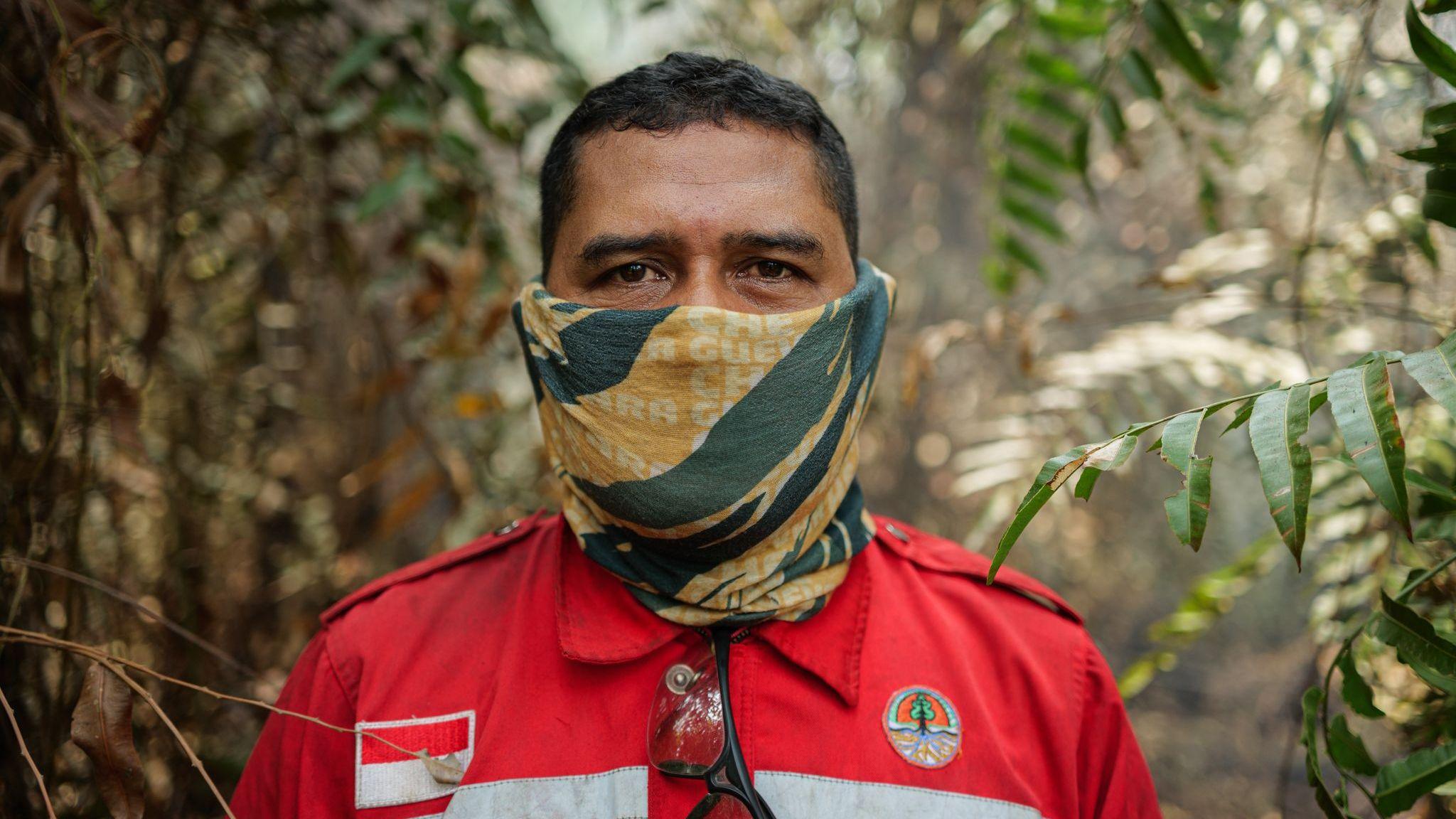
Volunteer firefighters, led by men such as Dwi Sujatmoko and Fahrin Ramadhianto, have taken up the fight with hand tools, portable pumps and carved canals to keep the fire front moving. These crew members are often indigenous Dayak or Banjar people, whose traditional farming systems rely on controlled burns, yet they are now fighting fires that have been ignited by industrial drainage and long‑term deforestation.
The toxic cloud that moves beyond Borneo
The smoke generated by burning peat contains fine particulate matter and carbon monoxide, gases that are harmful to the lungs and can reach the bloodstream, posing risks to heart health as well. Health ministries across Indonesia report over 50,000 respiratory cases linked to the fire, more than 12,000 of those children under five. The haze has reached Singapore, Manila, Kuala Lumpur and Brunei, with air quality indices reaching levels of “unhealthy” and sometimes 75 times the World Health Organization’s recommended limit.
The carbon bomb that burns
Traditional wet peatlands are excellent carbon sinks, accumulating organic matter for millennia under saturated conditions. When they dry out—often as a consequence of drainage for palm plantations—they become flashpoints that ooze greenhouse gases in a sudden, explosive surge. Peat depths of more than 20 metres hold carbon stocks equivalent to the annual emissions of thousands of cars, and once ignited that carbon can be released very rapidly into the atmosphere.
The fires’ path is hampered by the fact that they do not fully combust on the surface. Underground, peat continues to smolder, giving the fire a mysterious ability to re‑ignite even after it has been extinguished above ground. To keep the front at bay, volunteers dig wells, borewells and canals, sometimes sleeping on the front lines while the ground is turned into soggy porridge through intense watering.
An unnatural imbalance
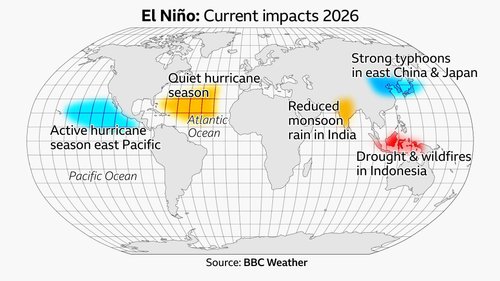
The region’s deficit of water and the high temperatures produced by a “Super El Niño” drought create perfect conditions for these fires. More than one‑third of Indonesia’s forest loss in 2025 was in Kalimantan, the area most affected by peatland drainage for oil palm and other large‑scale development. The combination of deforestation and drainage has increased fire risk far beyond what the ecological balance of the peatlands could sustain.
The toll on volunteer heroes
Two volunteers in Central Kalimantan have died in recent days after their health declined during the fight. The haze leaves survivors with chronic coughs, chest pain and the exhaustion of waking many hours from sleep to keep hoses and pumps operating. Despite these hardships, the firefighters say they continue because it is their duty, and they look forward to relief through rain and better management of the peatlands.
As the haze spreads like an invisible veil, the world is forced to confront the tipping point of Indonesia’s carbon stores. The task of fighting these peat fires is not only a matter of immediate safety but a warning about the long‑term balance between our forests, industry and climate.