Violence and Resilience: Delhi’s ‘Cockroach’ Protest Stands After Police Crackdown
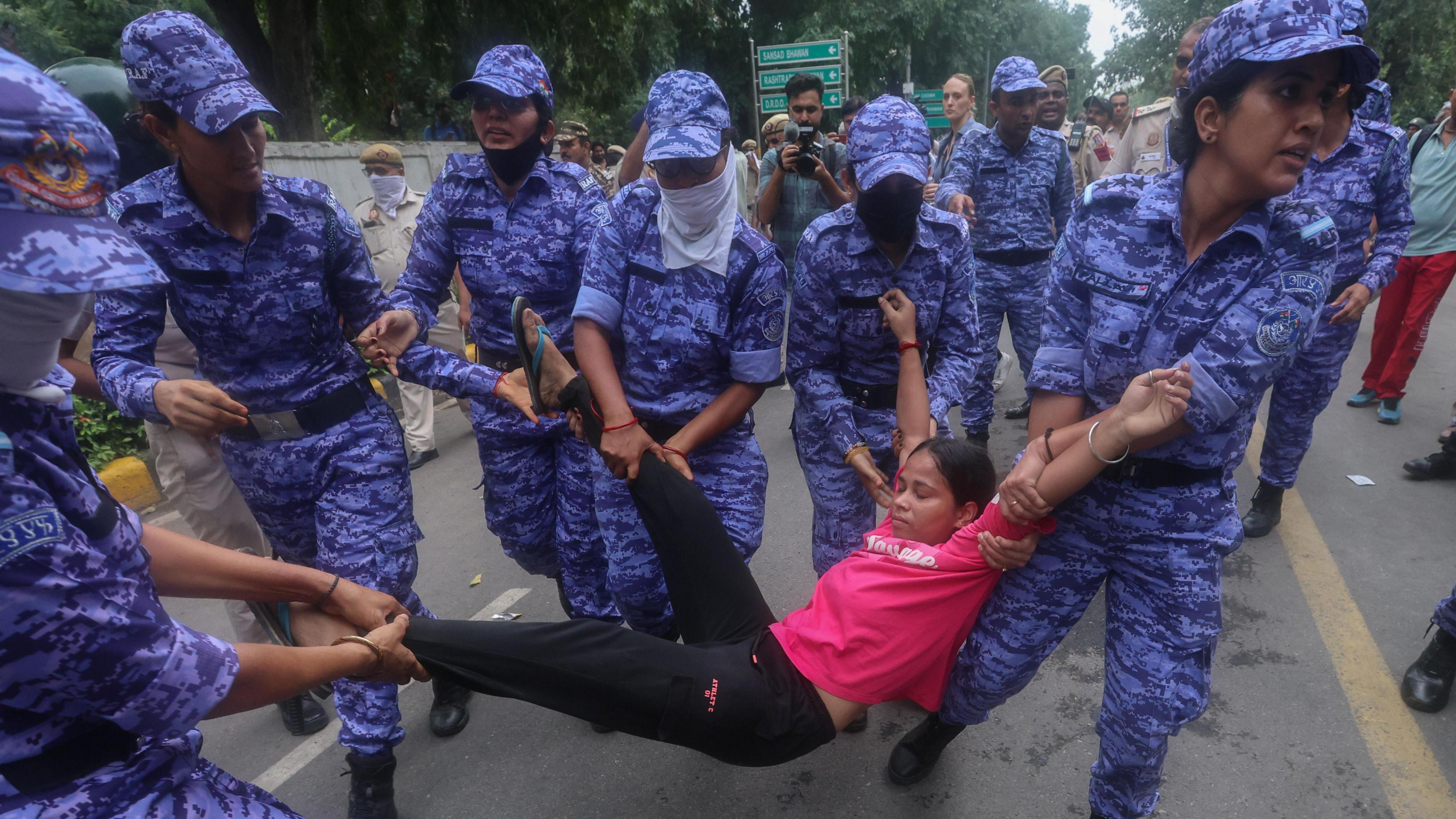
A day after police violently suppressed supporters of the youth‑led Cockroach Janta Party (CJP) at Jantar Mantar, Delhi, thousands of activists returned to the same plaza, defying a ban and demanding that Education Minister Dharmendra Pradhan step down amid controversies over the National Eligibility cum Entrance Test (NEET) exam leak.
The protest escalated into a ferocious clash as police deployed batons and tear gas. At least 60 protesters were wounded, while 118 police officers sustained injuries. A total of 70 demonstrators were detained, and the makeshift stage, tents, and barricades were ripped down by law‑enforcement.
Opposition leaders condemned the assault. Rahul Gandhi called the move “anti‑youth” and called on Prime Minister Narendra Modi and Home Minister Amit Shah to resign. Notably, the CJP’s founder, Abhijeet Dipke, apologized for “the brutality” that ensued and pledged to aid injured protesters.
The movement, sparked by a controversial remark from India’s Chief Justice, has evolved into a nationwide voice demanding accountability for exam corruptions and systemic reforms. It has secured backing from farmer leaders, Bollywood stars, and major opposition parties, making the CJP a prominent anti‑government platform.
Despite the government’s promise to review the NEET leak grievance, the CJP’s refusal to disperse and heightened violence have kept the protest in the headlines. The incident raises urgent questions about civic spaces, police conduct, and youth activism in India’s democracy.