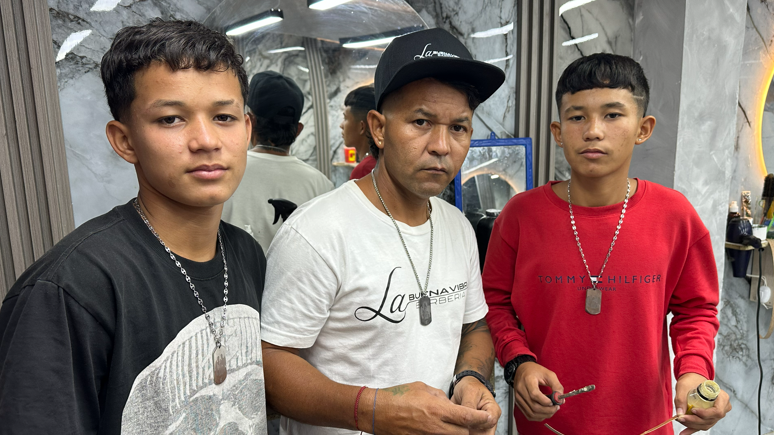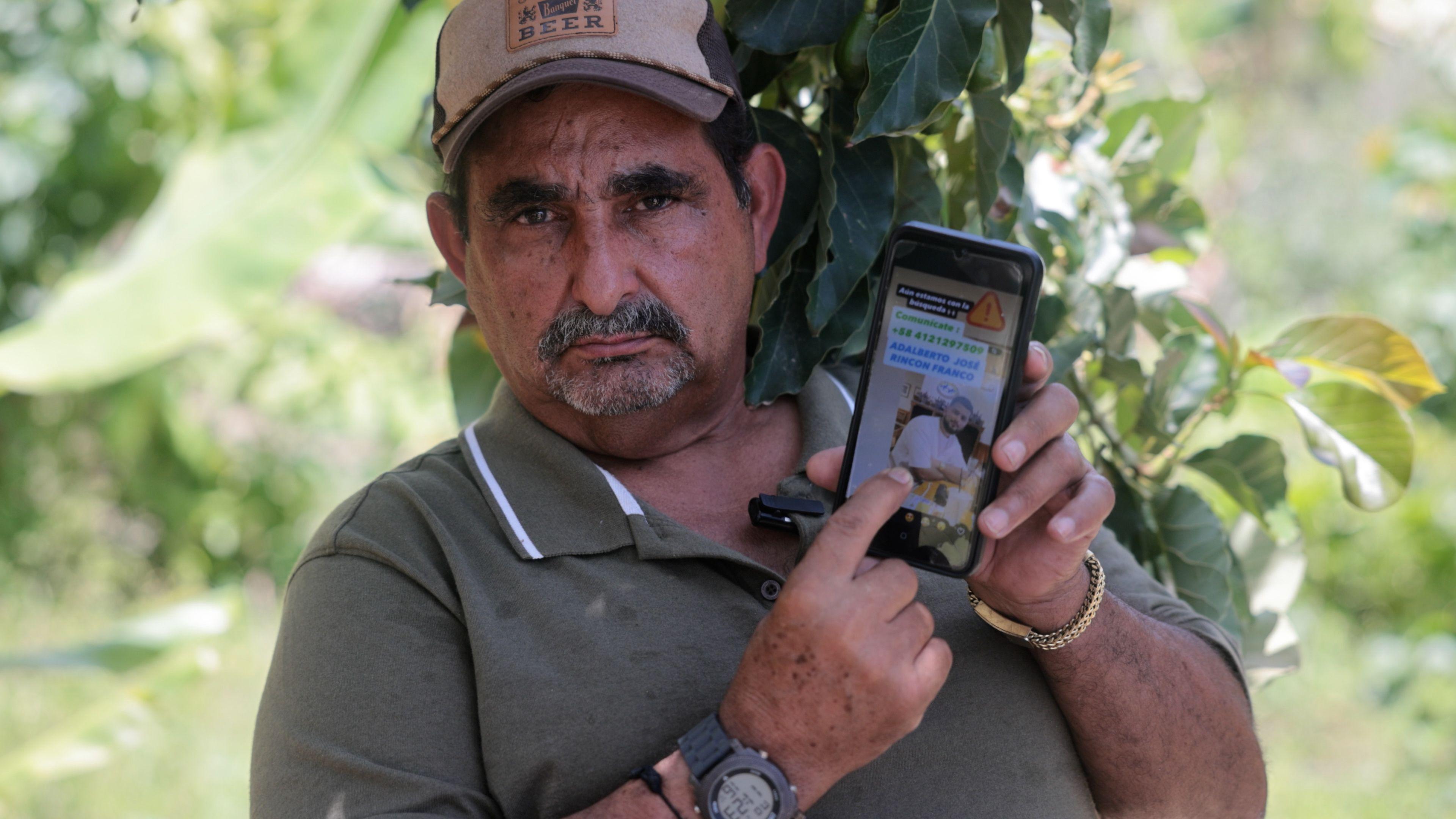
Abelardo Rincón, 23, grew a new life in the U.S. state of Georgia. He worked at a local car dealership, married and was preparing to welcome his daughter. In the early days of Donald Trump’s harsh immigration policy, U.S. authorities detained him and sent him on Flight 164, a deportation flight that carried more than 140 Venezuelan nationals.
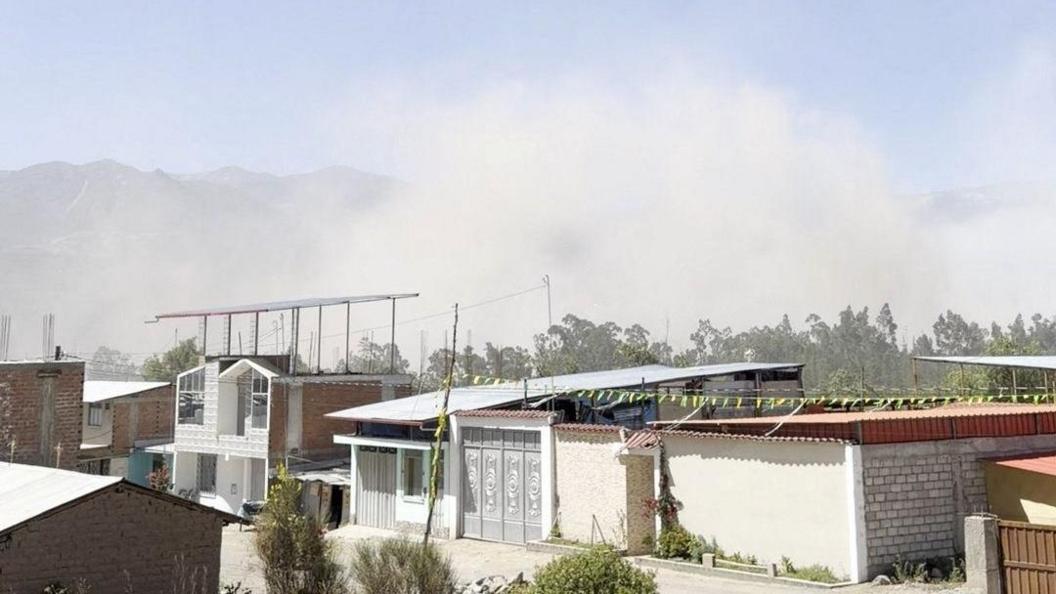
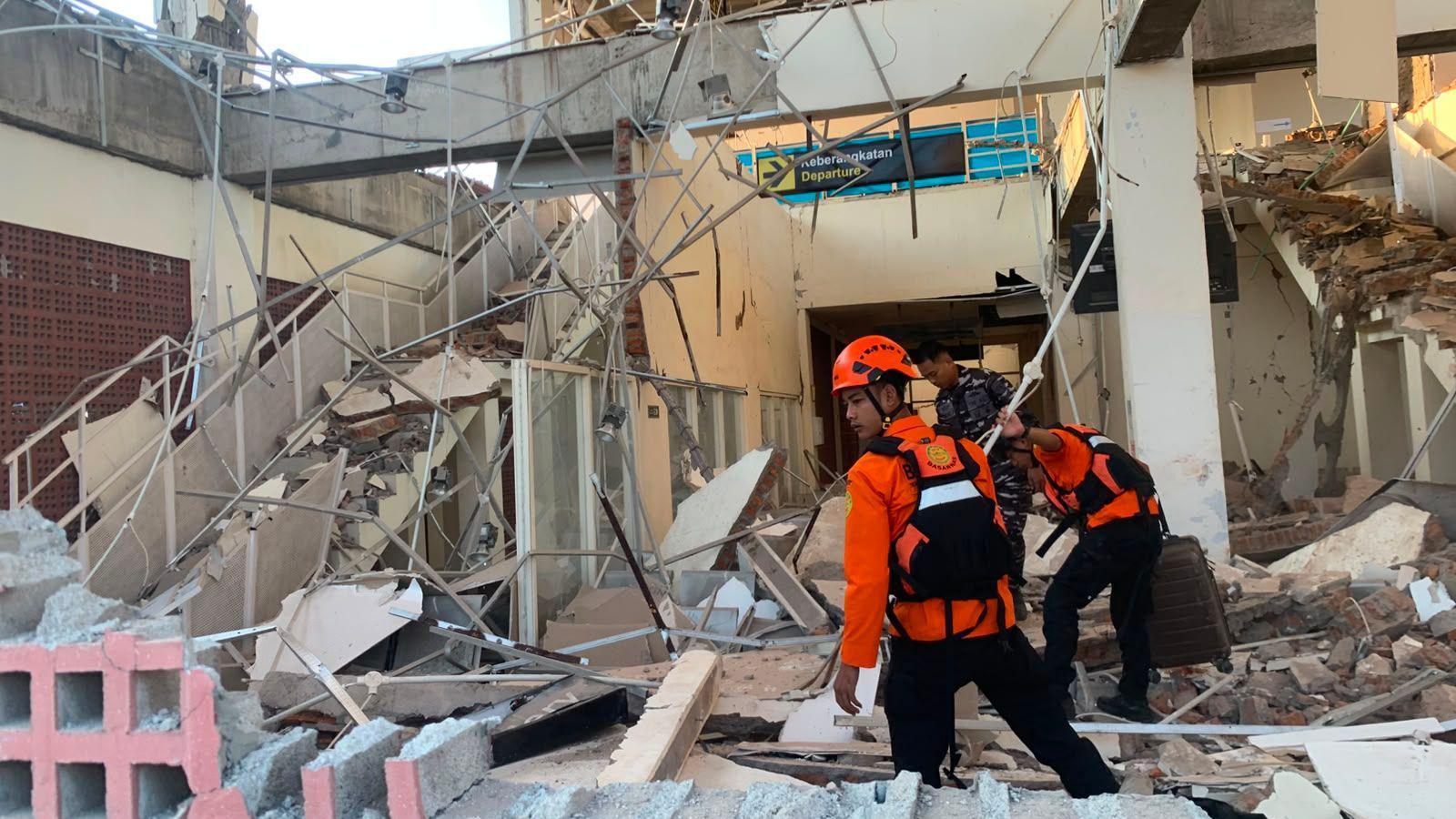
The aircraft arrived in La Guaira on 24 June. The passengers were escorted to a hotel near the coast where they awaited veterinary and administrative checks. Hours later, a series of twin earthquakes rattled the region.
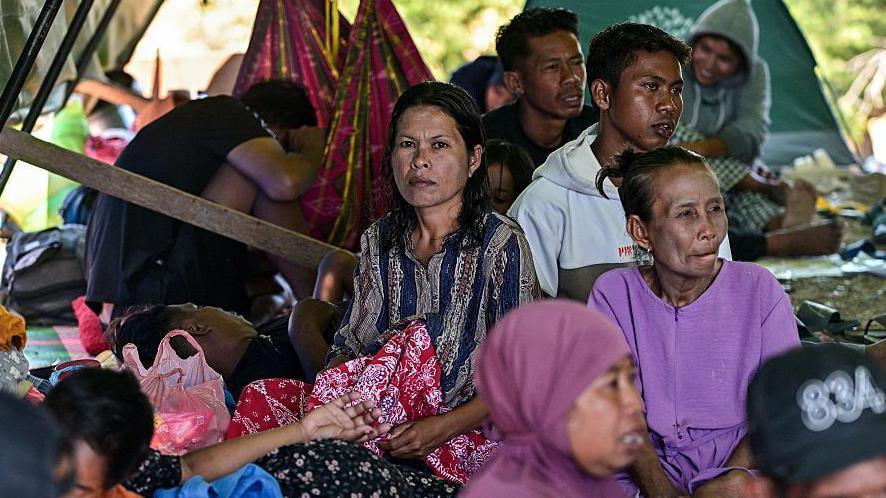
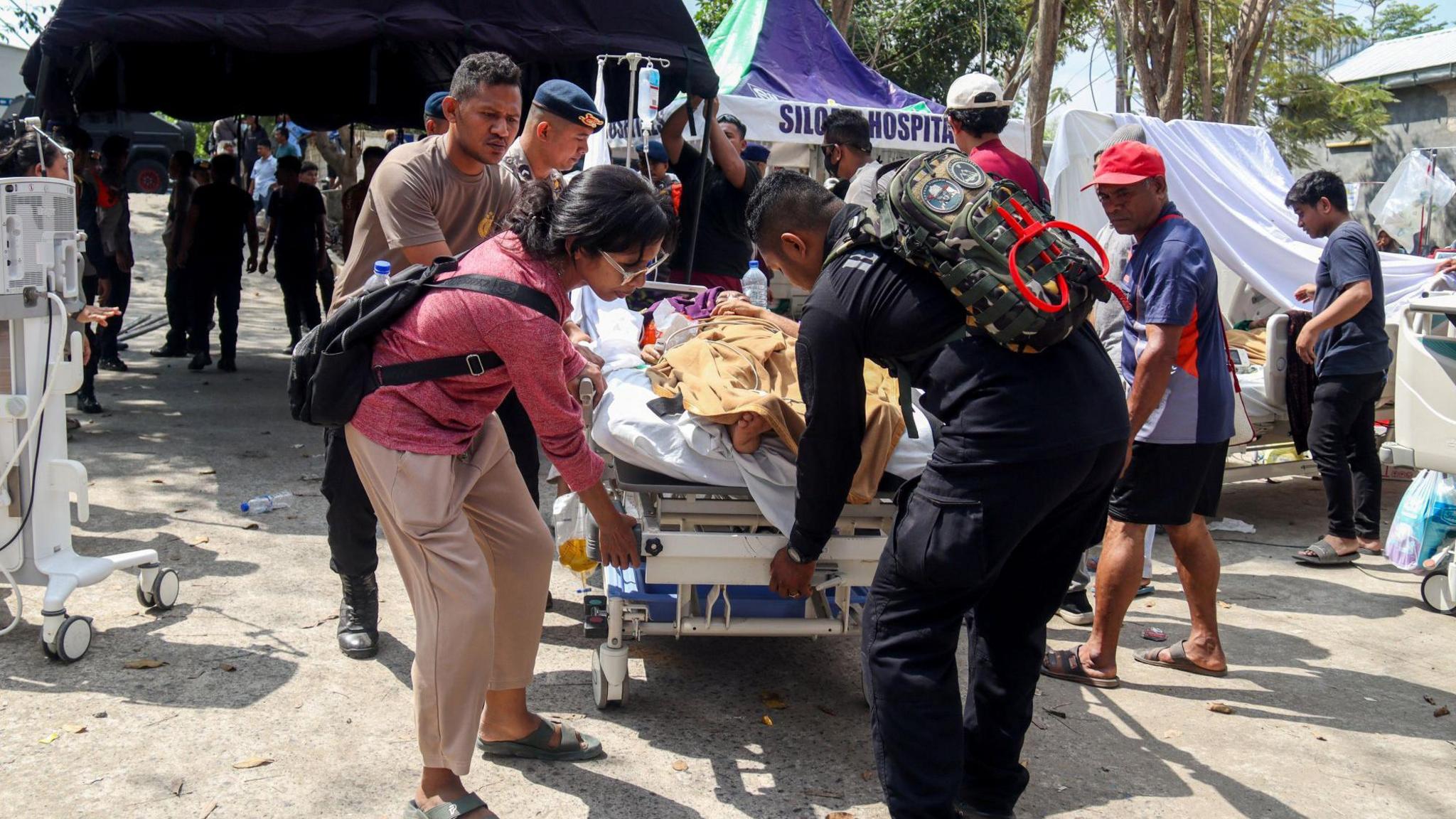
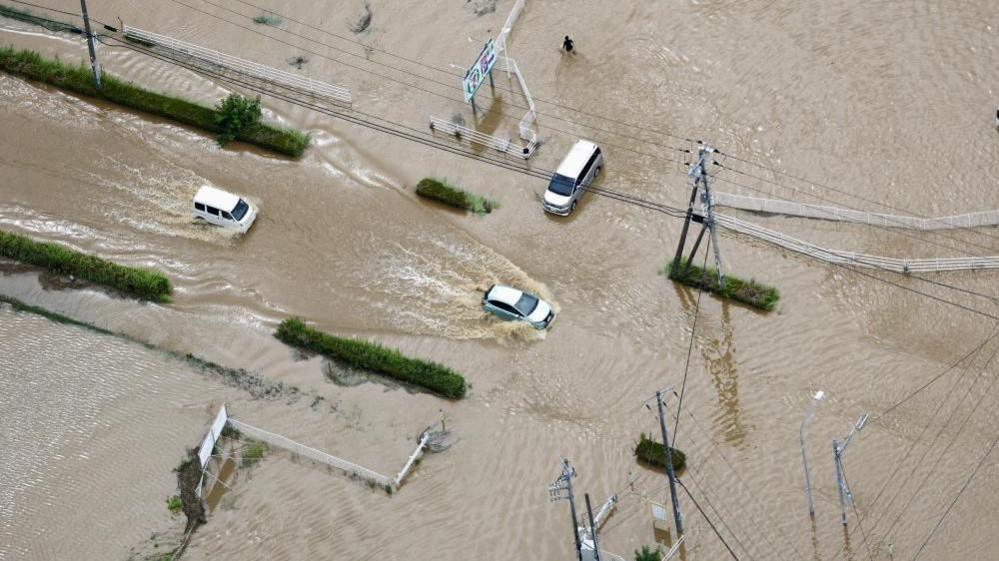
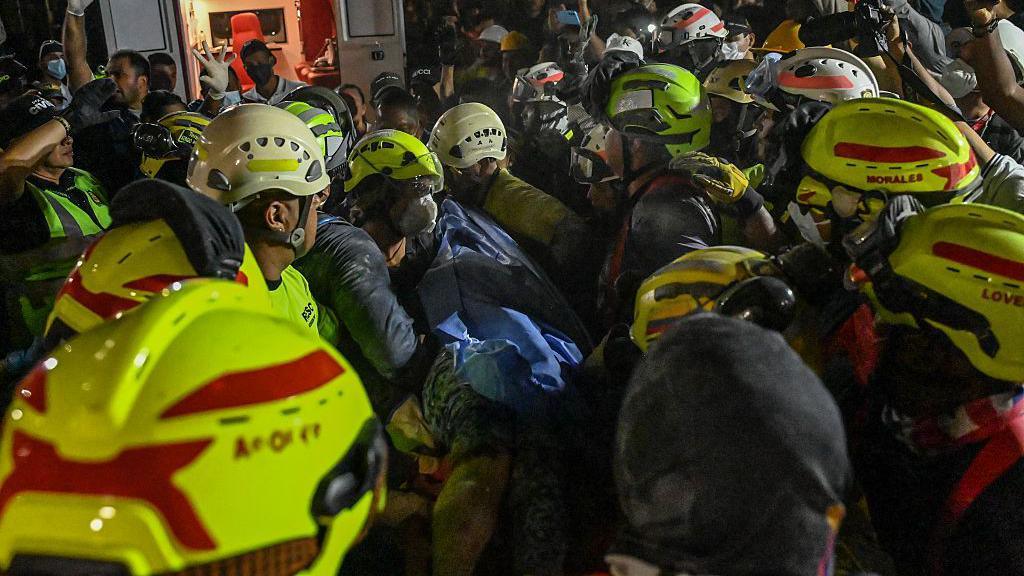
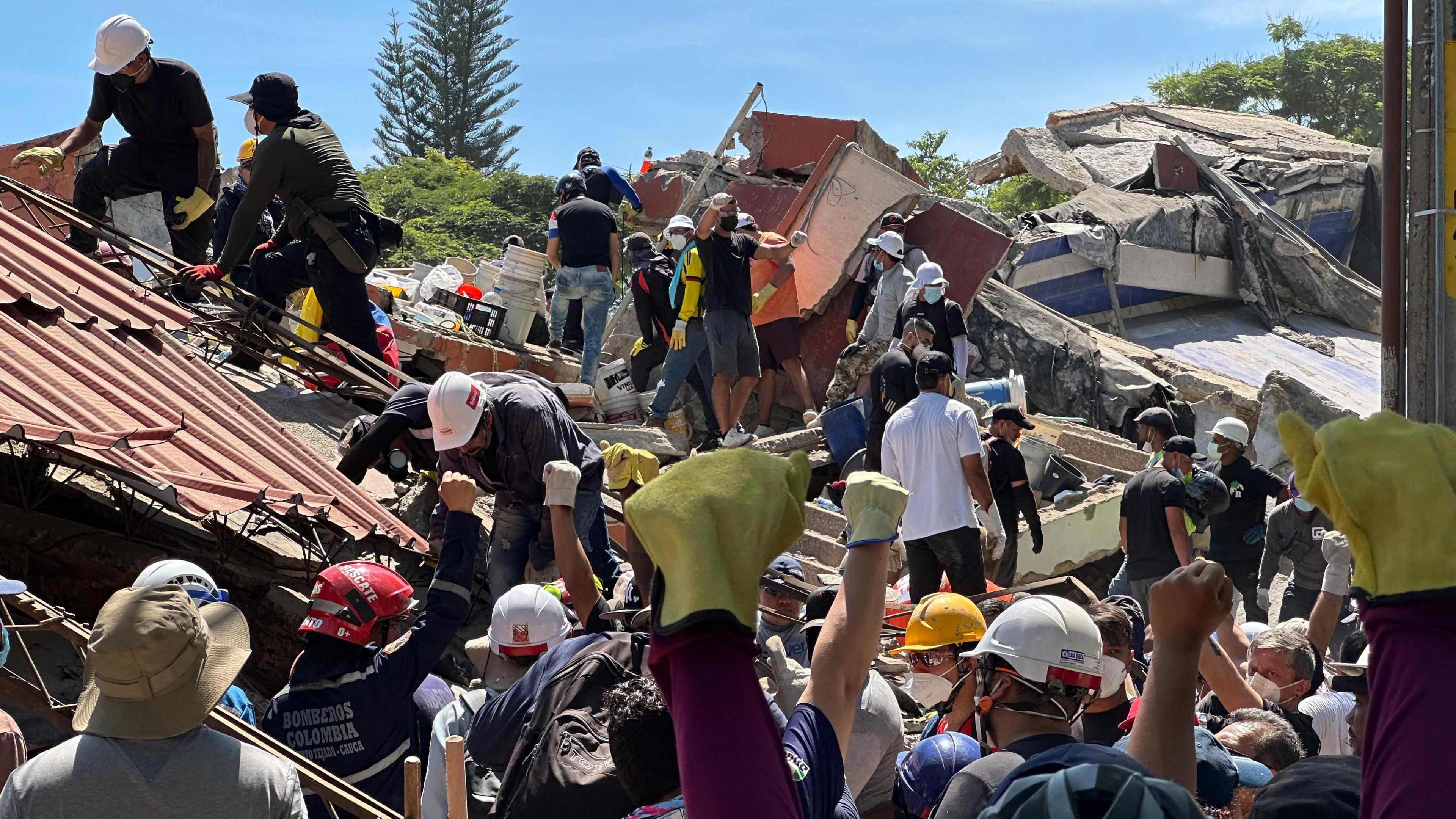
The blasts caused widespread destruction, claiming at least 2,200 deaths, injuring over 10,000 and creating 50,000 missing persons, according to United Nations data. Rincón and several other deportees were reportedly among the missing.
Jose Rincón, his grandfather, visited the city and witnessed the devastation. He reported seeing many corpses in a Caracas morgue and sought the still‑occupied hotel where his grandson and other deportees had been sheltering. Access was denied by authorities, who said the site had no living people.
A U.S. Department of Homeland Security spokesperson confirmed that the flight had safely returned illegal aliens to their home country but declined to disclose details of individual immigration cases.
Venezuelan officials acknowledged receiving the deportation passengers and said they were offering medical care and documentation before the quake. A hotel, Hotel Santuario La Llanada, was the last known location for many travelers.
Other passengers on the same flight echo this horror narrative. Darwin Eliecer Serrano Lopez, who had lapsed from Chicago before his return, called his wife on the 5:32 local hour before the first shudder hit. He remains missing and his family has endured weeks of uncertainty.
Daniel Alejandro Nunez, 28, also called his mother while still in detention. Families of all eight passengers—the group included nineteen women and seven children—have suffered the loss of missing relatives immediately after their forced return.
Some deportees survived the collapse and emerged a few days later. Lisbeth Portillo, 58, was trapped under rubble for nearly two days. The recovery was frantic, leaving survivors with physical injuries and deep emotional scars.
The tragedy raises grave questions about the safety of deportation procedures amid natural disaster risks. Immigration courts and humanitarian activists call for stricter oversight and better coordination with host countries to prevent similar catastrophes. The story, still unfolding, underscores a profound shock for families who have already endured prolonged separation and loss.