In brief
In Kyiv, soldiers and veterans have staged protests over President Zelenskiy's decision to remove Defence Minister Mykhailo Fedorov, accusing the move of undermining Ukraine's war‑time success. Soldiers describe outrage and a sense of betrayal as Fedorov's innovations in drone warfare, digital micromobility and anti‑Russian tactics were rapidly dismantled. Military leaders and experts warn that the abrupt dismissal could reverse critical gains and expose the country to renewed Russian offensives in the coming months.
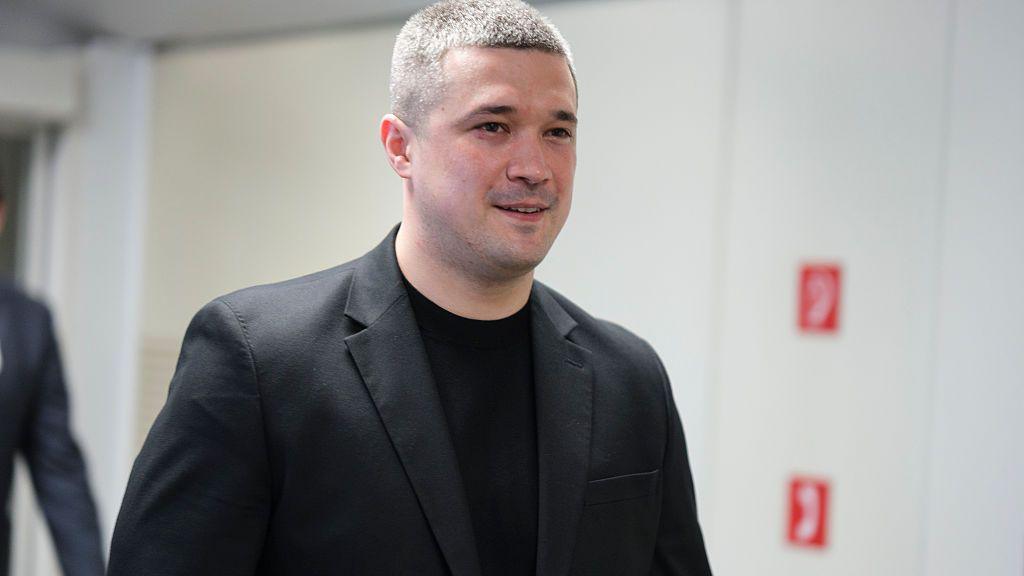
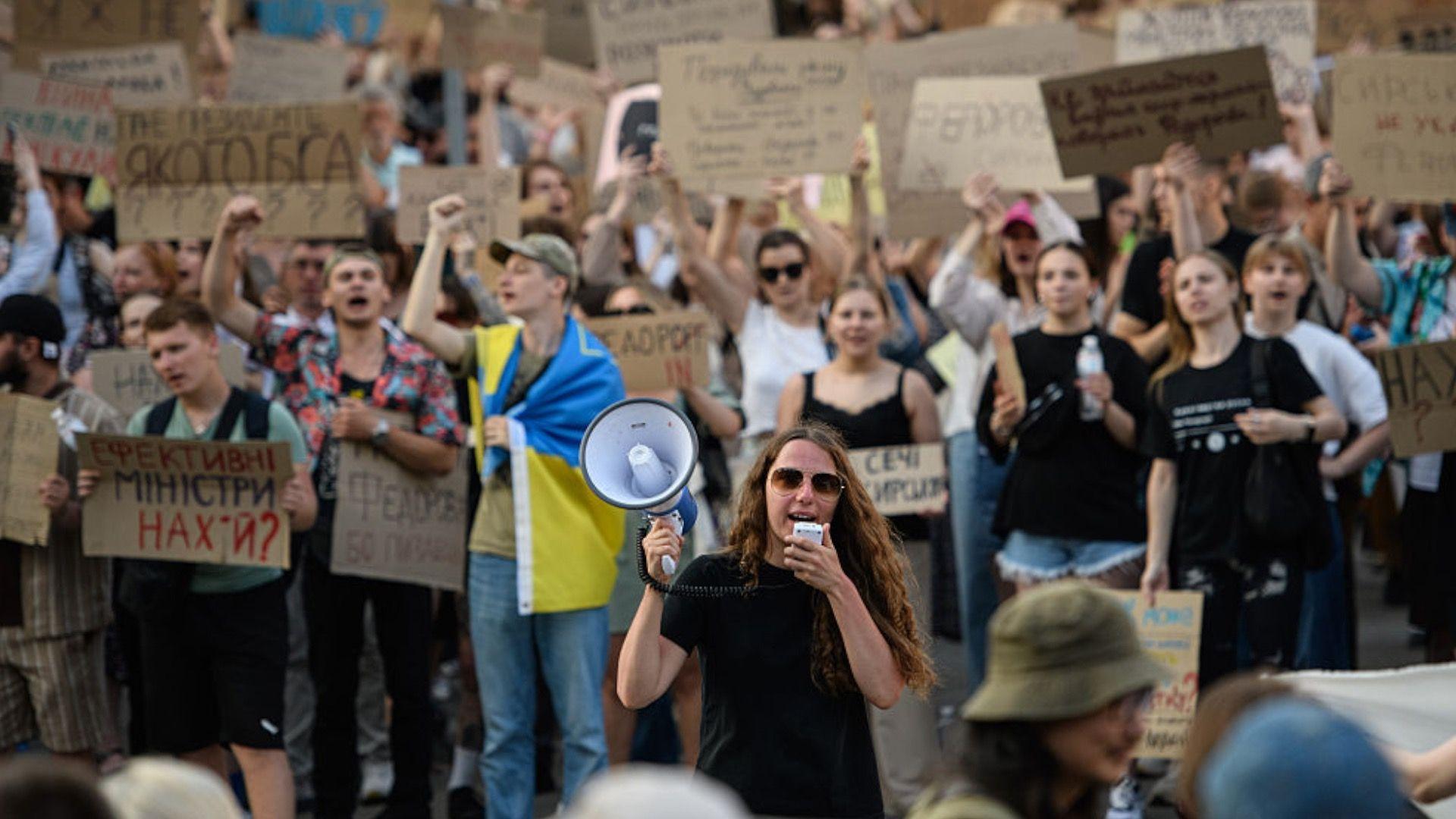
Thousands of Ukrainian soldiers, veterans and civilians marched through the streets of Kyiv on Thursday to protest the dismissal of 35‑year‑old Defence Minister Mykhailo Fedorov, who oversaw a sweeping digital overhaul of the armed forces. “It is a blatant slap in the face to all service members,” one soldier said, while another warned that the removal would force “the progress on the front line to stand still”.
Soldiers Voice Outrage
In a video posted to Telegram, a disfigured soldier described himself as “still recovering from his terrible injuries” and urged Fedorov to return to the Ministry of Defence, claiming that “everything I was fighting for will have been in vain” if he left the post. An anonymous female officer, identified as Maryna, said that “a dictatorship is already unfolding here” and referred to the political elite as “petty tyrants”.
The protests highlighted a divide within the ranks: while some officers applauded Fedorov’s reforms, others feared the political fallout and risked being eaten alive by old Soviet‑era bureaucracy. One front‑line veteran, Natasha, described how the day’s MLRS strikes forced the troops to prioritize survival over protests, stating “our positions were hit by MLRS, so nobody cared about Fedorov or the cardboard signs.”
Fedorov’s Legacy
Fedorov pushed Ukraine into a new era of digital warfare, including the “Army of Drones: Bonus” scheme that rewarded soldiers for active drone kills and hijacked infrastructure. Military analyst Ivan Stupak described him as “an iPhone 16” in contrast to Gen Oleksandr Syrskyi, the 60‑year‑old commander of the armed forces, whom some soldiers called “The Butcher.”
Fedorov’s brief tenure saw the blockade of Starlink access for Russian forces and the integration of AI‑driven interceptors, a move that halted a Russian advance on several fronts. Critics argue his shutdown of the Ministry’s bureaucracy and push for digitalisation were “a never‑ending task” that could be reversed with his removal.
Impact on the War and Political Fallout
With autumn and winter approaching, Ukraine faces the risk of a new Russian attack on its energy grid. Daria Kaleniuk, executive director of the Anti‑Corruption Action Centre, warned that the removal “is going to be just destroyed and reversed” during this critical period. She criticised the president for “not caring what the people of Ukraine think” and losing a key architect of a technological victory.
The protests, while smaller than past anti‑government rallies, carry heightened stakes, as they directly influence Ukraine’s war effort. Observers suggest that the dismissal could signal an escalating trend toward autocratic governance under President Zelenskiy, mirroring the type of politicians he once satirised.