
In brief
The UNAids chief warns that the US decision to cut HIV aid will result in 2,000 new infections daily and over six million deaths in the next four years, jeopardizing hard-won progress in the global fight against HIV.
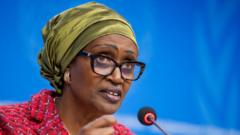
The Executive Director of UNAids, Winnie Byanyima, has issued a grave warning regarding the US government's recent cuts to HIV funding, asserting that these will herald an alarming increase in both new infections and mortality rates. She claims that the halt in foreign aid — particularly impacting vital HIV programs — could lead to an additional 2,000 individuals contracting HIV every day and result in over six million deaths in the upcoming four years.Historically, significant progress has been made in the global battle against HIV, with mortality rates declining from over two million in 2004 to around 600,000 in 2023. However, Byanyima highlighted that this setback could reverse those advancements, posing a serious threat to individuals, particularly women and girls, who are already bearing the brunt of these funding reductions.The cuts were initiated by US President Trump on his first day in office as part of a broader review of federal spending, leading to the suspension of many critical USAID programs. As a result, numerous US-supported HIV treatment and preventive initiatives faced abrupt stop work orders, prompting the closure of mother and baby clinics across Africa and triggering severe shortages of essential lifesaving anti-retroviral (ARV) drugs.Byanyima expressed her sincere gratitude for the support that the US has historically provided to the fight against HIV, yet stressed that a sudden withdrawal is wreaking havoc on communities reliant on such aid. With no indications that US policymakers are reconsidering their stance, international funding sources are also signaling potential reductions that could exacerbate the crisis.In her address in Geneva, Byanyima told the story of Juliana, a Kenyan woman whose employment and access to vital treatment have vanished due to halted programs. A report from the World Health Organization predicted that several countries, including Nigeria and Kenya, may soon run out of HIV drugs, a scenario not seen in decades.Byanyima also conveyed a potential partnership proposal to the Trump administration involving Lenacapavir, a new ARV developed by US company Gilead. She argued that marketing it globally could provide robust benefits to the US, including profits and job creation.As the UNAids chief raises alarms over the possible regression in the fight against HIV, other UN organizations are also grappling with funding cuts, posing dire challenges across various sectors. With lives hanging in the balance, the need for immediate action has never been more critical to mitigate the impending public health crisis.



