US Supreme Court Deals Trump a Heavy Defeat While Expanding His Power
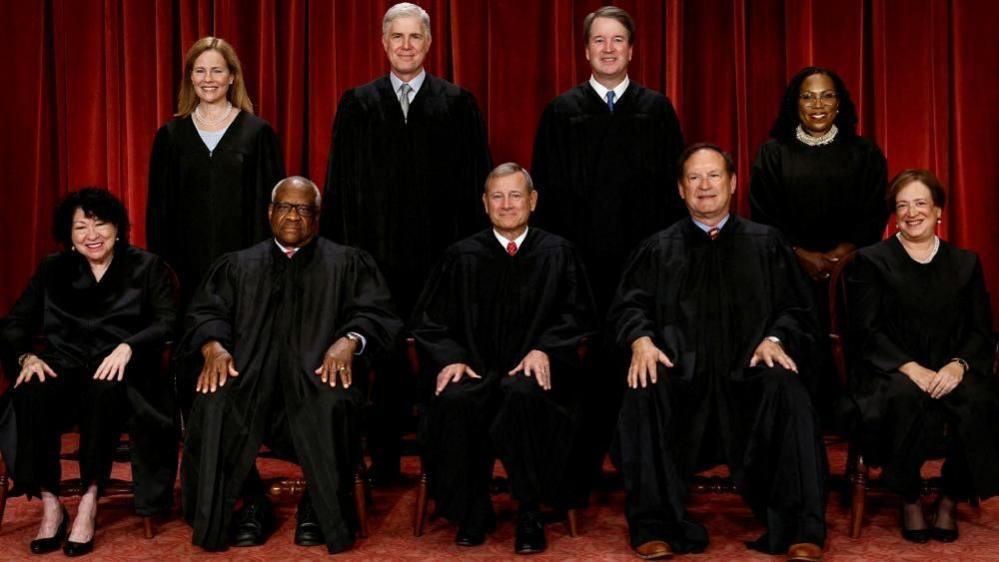
On June 30, the Court ruled that children born in the United States to parents who are temporary visitors or undocumented migrants retain birthright citizenship, a decision that directly defeats President Trump’s long‑standing campaign promise.
Trump’s reaction was muted, calling the ruling "too bad for our country" before quickly endorsing legislation that would reverse the decision. The likelihood that Congress will enact such a law is slim, as Democratic senators would almost certainly block any measure.
Despite this setback, the Court’s conservative voters have repeatedly expanded the president’s executive reach. The Court has already granted Trump the ability to dismiss agency officials, revocation of temporary protected status for Haitian and Syrian immigrants, tighter restrictions on asylum claims, and loosened campaign‑finance limits that favor Republican coffers.
Earlier this year the Court also struck down a key provision of the 1965 Voting Rights Act, allowing Republican‑controlled states to redraw congressional districts that would favor their party’s candidates.
These rulings underscore how the Court’s decisions bolster Trump’s power over immigration enforcement, federal elections, and the federal bureaucracy—rights that no previous president has wielded in such a comprehensive manner.
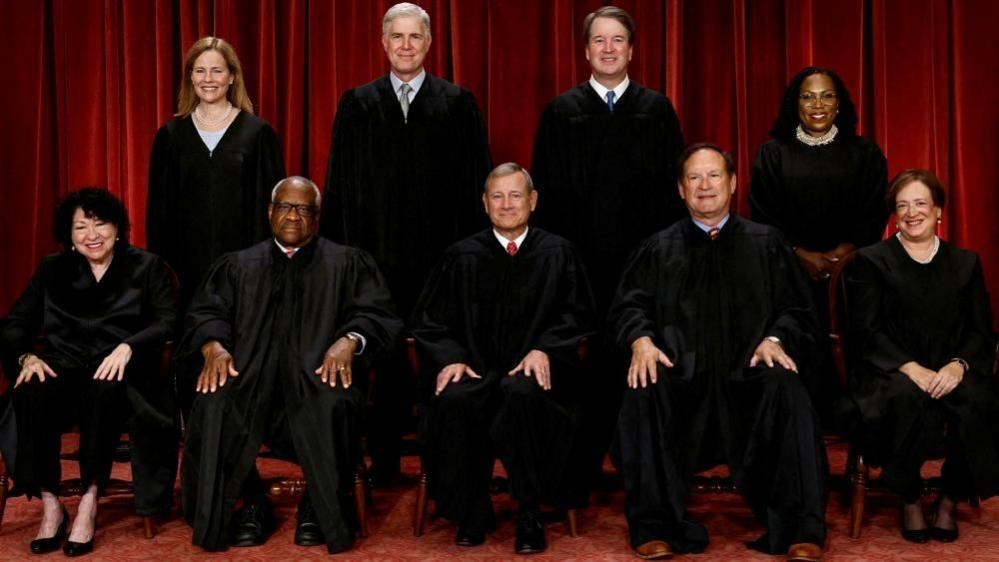
While Trump’s impatience with the Court’s rulings has occasionally flared—most notably when he was “ashamed” of the conservative justices who sided with the liberals—he continues to wield unprecedented authority, especially as senior conservative justices hint at potential retirements.
The Court’s journey therefore remains a critical arena for the future shape of presidential power and the balance of U.S. governance.