The 2026 US‑Iran Clash in the Strait of Hormuz
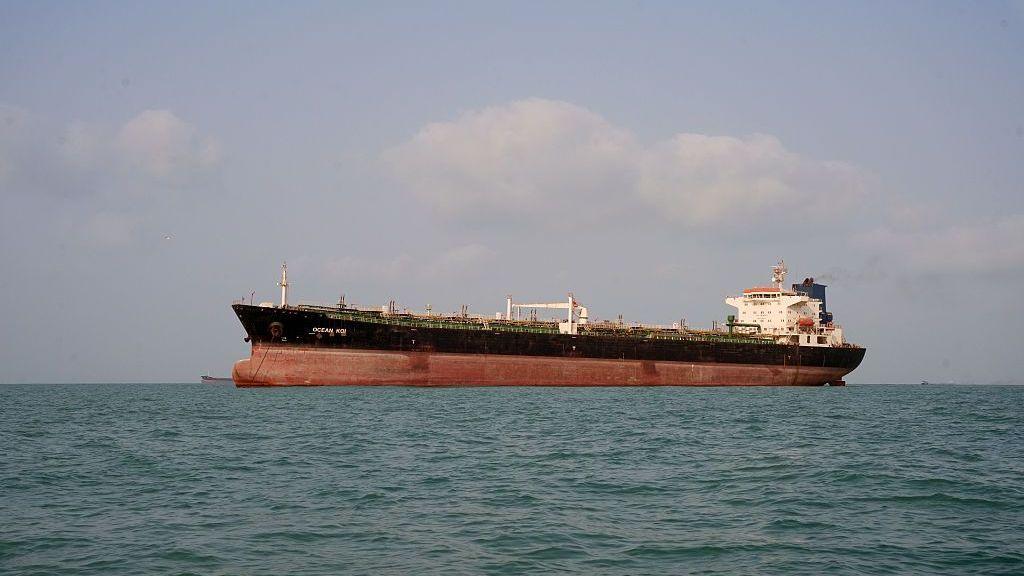
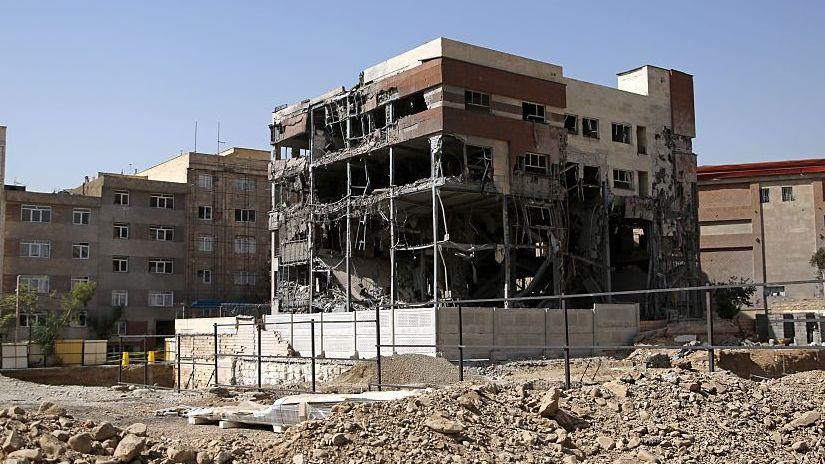
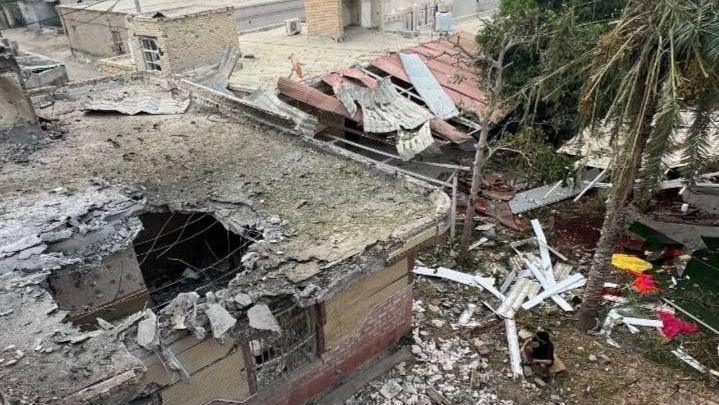
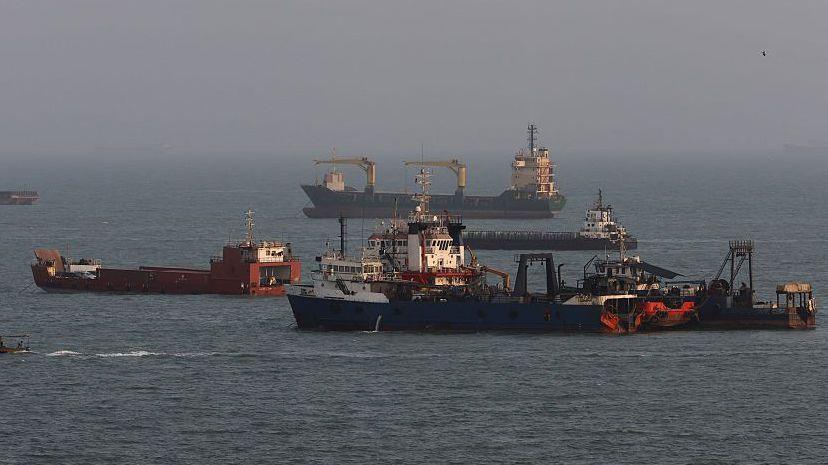
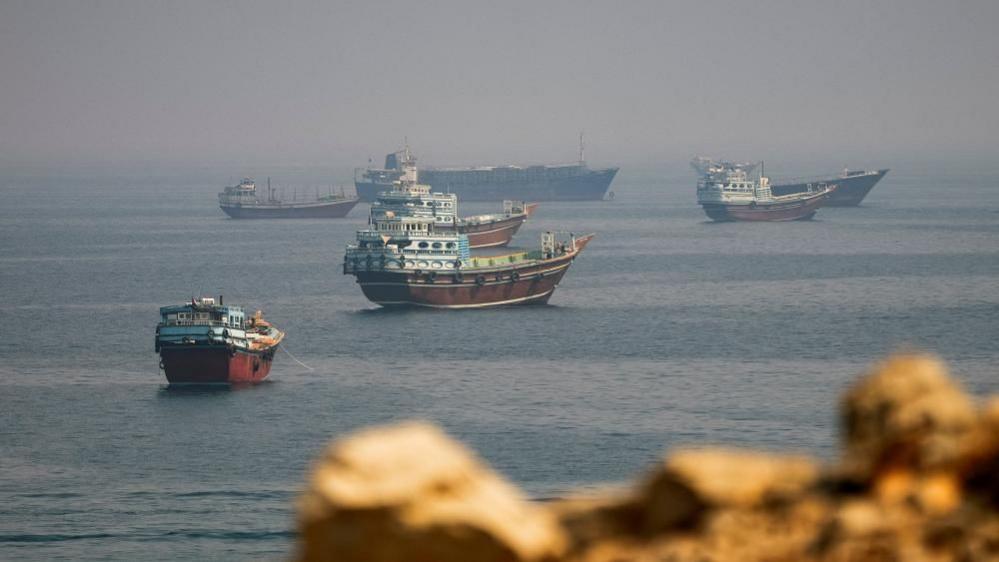
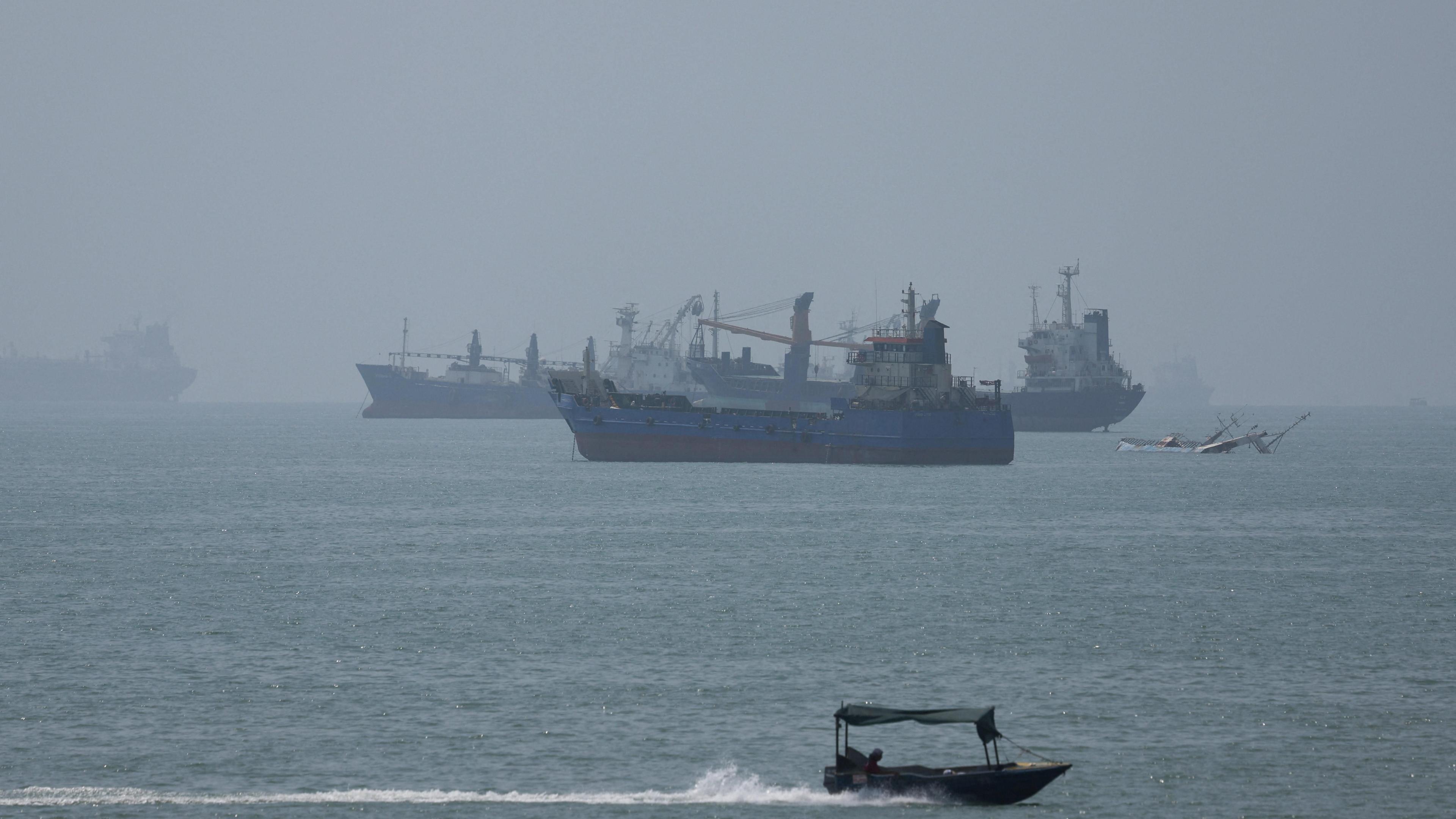
In early July, the world watched as the United States and Iran exchanged a flurry of air and missile attacks. The feud centers on the Strait of Hormuz, a narrow waterway that connects the Persian Gulf to the Arabian Sea and is a critical conduit for the United Nations’ 90 per cent of the world’s oil trade.
Why It Matters
Any shutdown of the strait would immediately cut off a massive volume of crude and refined products, sparking a global price surge. Merchant fleets would be forced to recalculate shipping lanes, elevating logistical costs and risking delays in everything from food imports to pharmaceuticals.
US Position
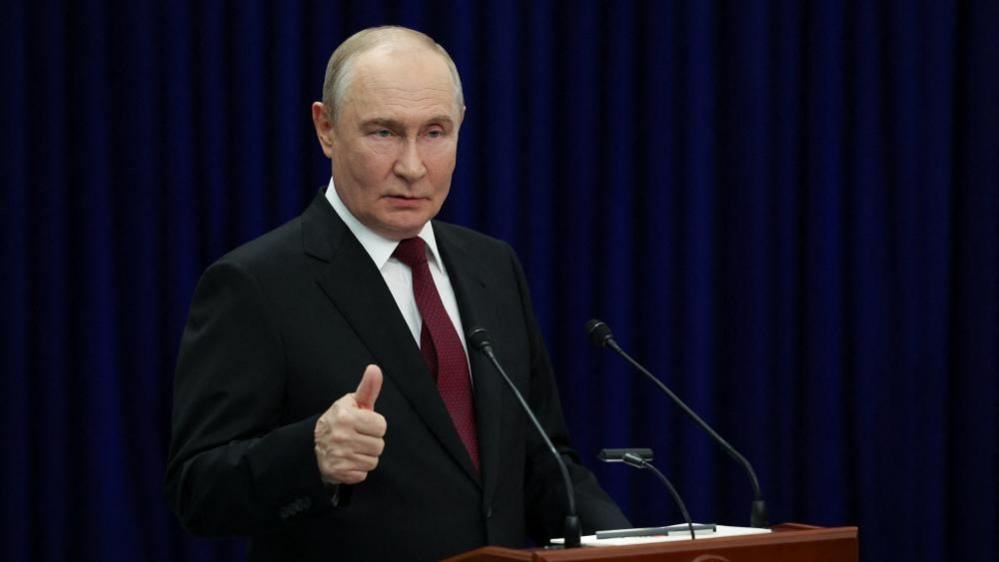
The United States has repeatedly maintained that the strait remains "open” and under no Iranian control. Washington monitors maritime traffic closely, dispatching naval patrols to safeguard shipping lanes and assures allies that traffic flows uninterrupted.
Iran’s Standpoint
Conversely, Tehran’s official statement announced the potential closure of the habitat, threatening to restrict any passage that it deems hostile. The Iranian government cites regional security threats and a desire to leverage diplomacy in advance negotiations with the United States.
Impact on the Cease‑Fire Agreement
The latest clash jeopardizes a provisional cease‑fire signed in June, which aimed to halt hostilities and restore navigation. U.S. officials now urge Iran to uphold the agreement, warning that diplomatic mechanisms are at risk if the standoff escalates.
International Reaction
The United Nations has called for a rapid de-escalation, stressing that the safety of civilian vessels must remain paramount. Gulf Coast shipping companies have initiated talks to secure alternative routes, while European governments emphasize the need for a collective response to maintain energy stability.
What Comes Next
Both sides appear ready to intensify pressure, despite the looming economic fallout. Analysts predict that the window for a diplomatic solution could narrow sharply if the conflict persists. Stakeholders worldwide are watching closely, anticipating the potential for oil market ripples and shifts in global maritime policy.
Source: BBC News (July 14, 2026). For in‑depth coverage, subscribe to our weekly briefing, available on the OnPoint platform.