
In brief
On 30 June 2026, U.S. special envoy Steve Witkoff and Jared Kushner flew into Doha to engage Qatari mediators on the stalled Iran negotiations. Qatar’s foreign ministry confirmed that the U.S. envoys would not meet Iranian officials but would participate in high‑level talks covering broader regional issues including Lebanon. The move follows a recent flare‑up marked by a four‑day exchange of strikes between the United States and Iran, triggered by disputes over the Strait of Hormuz. While technical talks continue under the memorandum of understanding brokered by Pakistan and Qatar, no direct meetings at senior levels are scheduled in the coming days. The U.S. and Iran are still negotiating key points such as nuclear program normalization, sanctions relief, and a permanent ceasefire. Meanwhile, Qatar’s spokesperson highlighted the possibility of Iranian officials meeting mediators in Doha later in the week, focusing on MoU implementation and frozen Iranian assets.
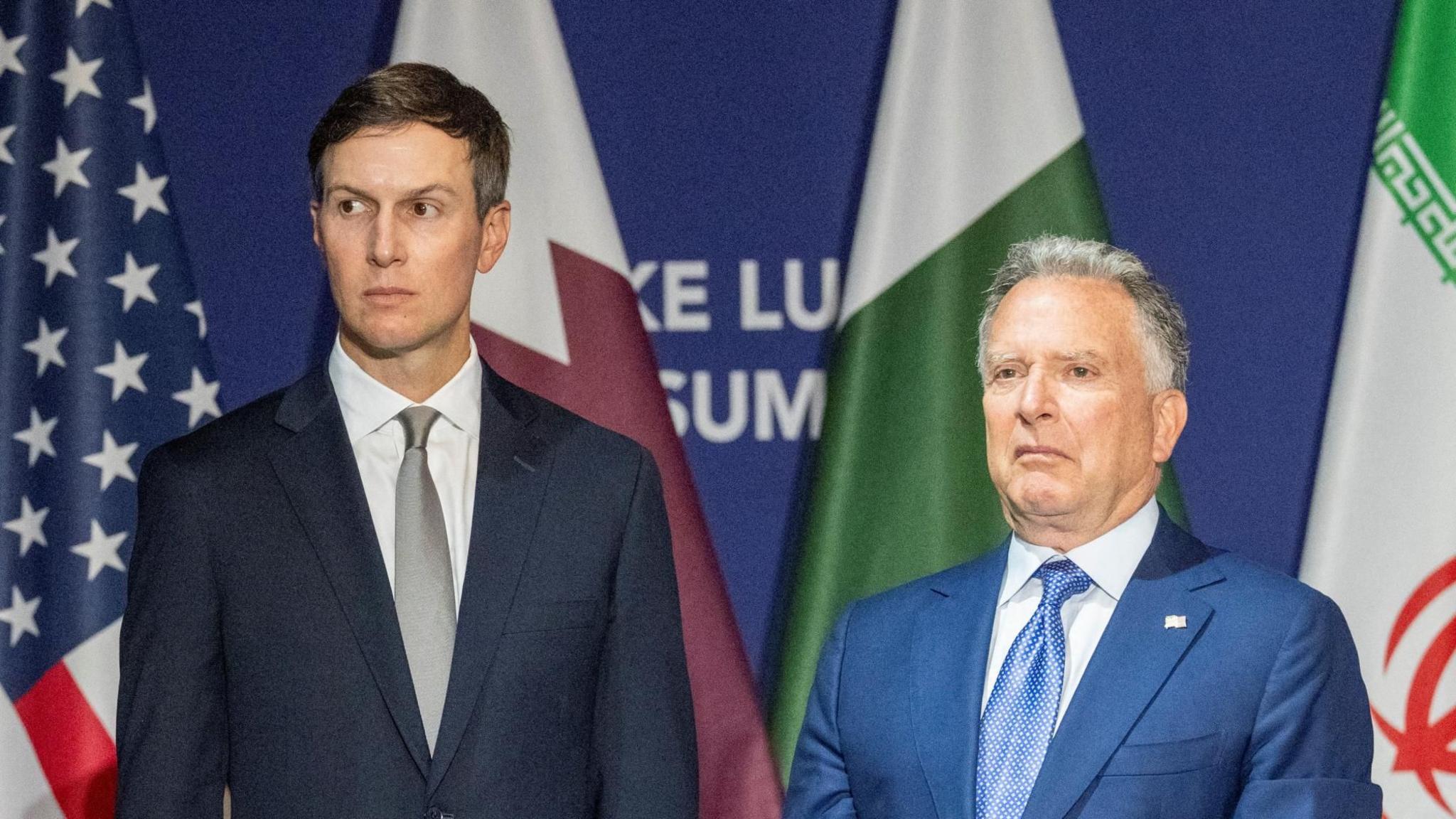
On 30 June 2026, US Special Envoy Steve Witkoff and president‑in‑law Jared Kushner took a direct flight into Doha to meet Qatari mediators at the heart of the stalled Iran negotiations. The United Nations‑style talks are a continuation of efforts by a Memorandum of Understanding (MoU) brokered by Pakistan and Qatar that called for the cease of military operations and reopening of the Strait of Hormuz.
According to Qatar’s foreign ministry spokesman Majed al‑Ansari, the U.S. envoys would not sit down with Iranian officials. “The talks will be around regional issues of concern, including, of course, the negotiations with Iran, but also including Lebanon and other files in the region,” he said. The meeting is set to focus on broad security and economic topics rather than direct negotiations at senior levels.
The backdrop to this visit is a flare‑up earlier in the week, marked by a four‑day exchange of strikes between the United States and Iran. The incidents erupted over Iran’s attempt to compel merchant vessels to navigate its northern waters of the Strait of Hormuz, a strategic chokepoint that channels roughly 20% of global oil shipments. The exchange threatened to derail the MoU's promised cease‑fire over the four‑month conflict involving the United States, Israel and Iran.
While technical talks between lower‑ranking officials continue, the senior U.S. team’s Doha visit signals an attempt to keep momentum and offer reassurances that the diplomatic channel remains open. The U.S. has pledged to “stand down” pending the next round of talks, with vessels in the strait expected to resume safe passage.
Iran’s Foreign Ministry spokesperson Esmail Baqai confirmed at a Tehran press conference that Iranian officials would likely hold meetings with Qatari mediators on Wednesday, focusing on the MoU's implementation and the release of federal assets frozen under U.S. sanctions. However, no meetings with the American side are currently scheduled for the coming days.
The Doha visit underscores the fragile balance of diplomacy and pressure in the region, with the United States and Iran negotiating over nuclear program normalization, sanction relief and a lasting cease‑fire, all while grappling with broader issues such as Lebanon's stability and the greater Gulf region’s security framework.
To see related coverage and an in‑depth view of the regional dynamics, visit BBC News.
