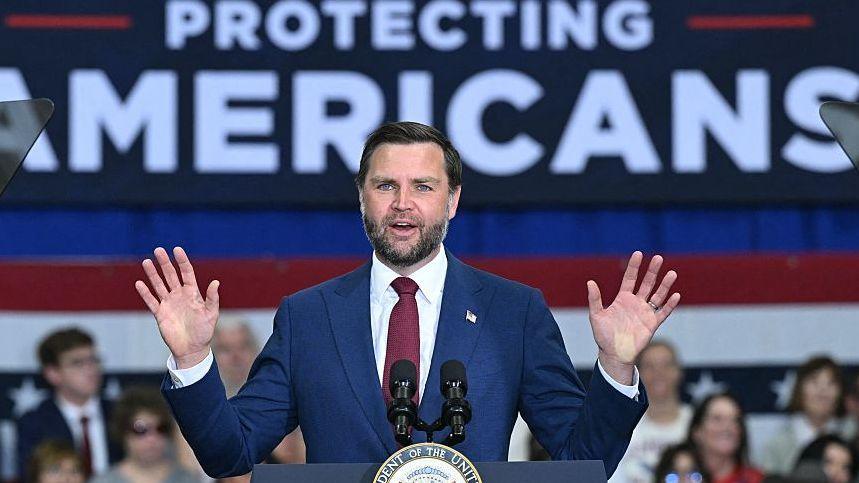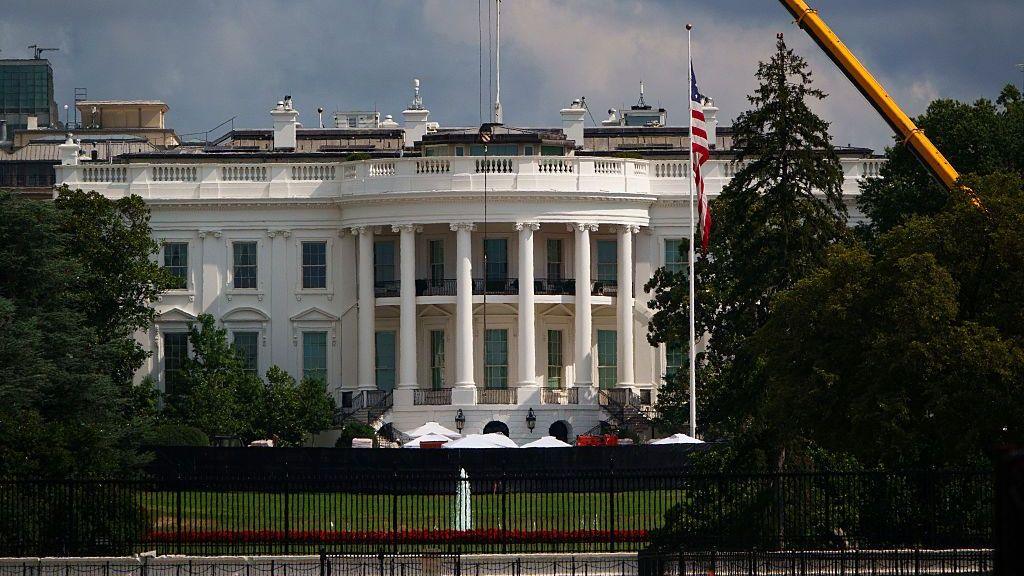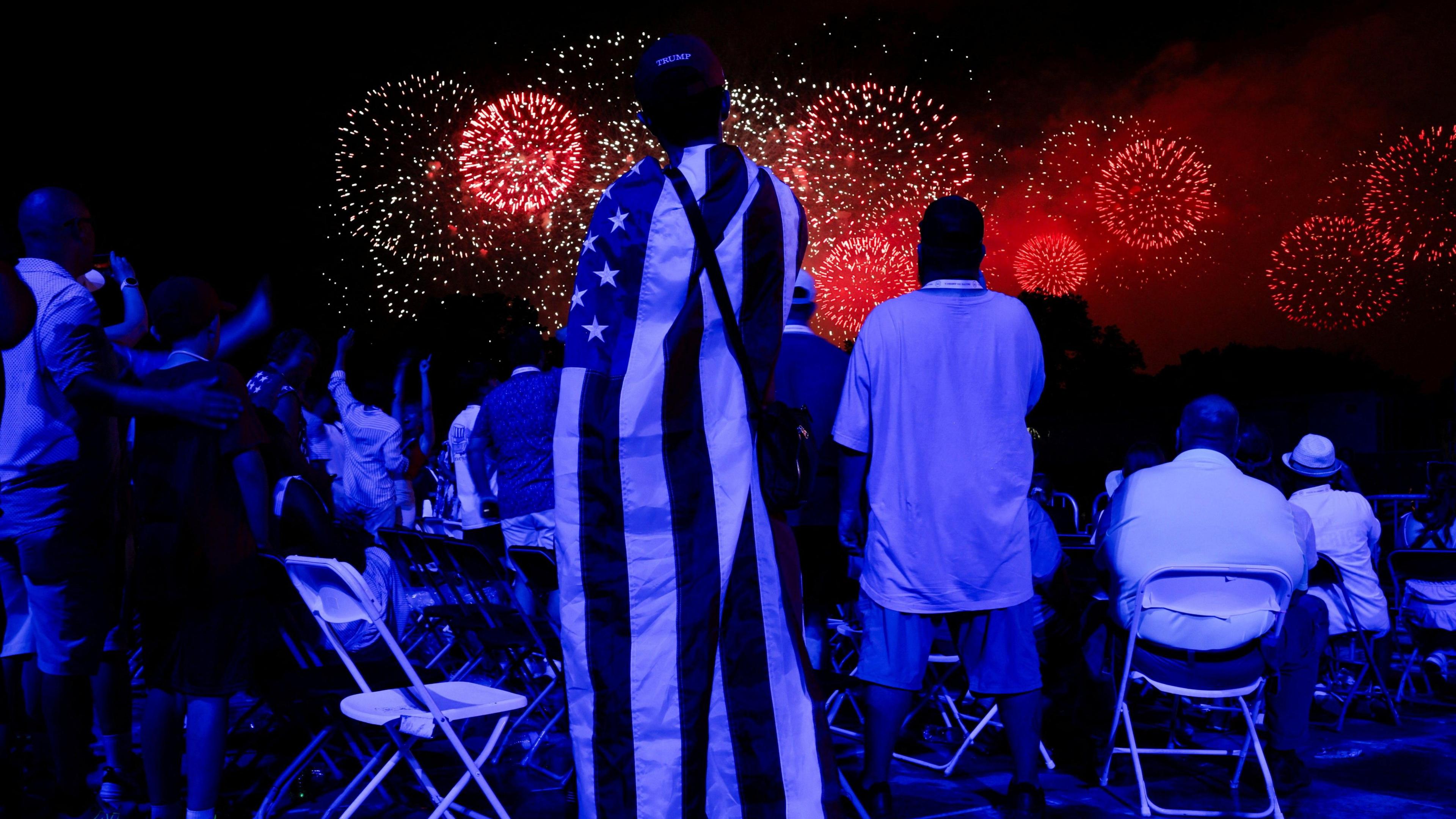
On July 4, the United States marked its 250th birthday with a spectacular fireworks display over Washington’s National Mall, counting 850,000 sparkles in the attempt at the world’s largest show. President Donald Trump opened the festivities with a rally, declaring that the American dream had returned and blessing the nation with a futuristic vision of the Eagle‑flown Air Force One. The night ended with a chorus of fireworks and a flyover that rattled the skies!
But the celebrations were cut short by an unforgiving heat wave that blazed the East Coast. The National Park Service cancelled its Independence Day Parade in Washington, and events were postponed in New Jersey, Pennsylvania and even as far west as Colorado, as temperatures topped 100°F. Power outages swirled across the eastern United States, with nearly 750,000 households left in the dark.
The holiday also stirred social tension. A white‑nationalist group, Patriot Front, marched near the Capitol adorned with U.S. flags, presenting a stark reminder of the country’s division, while the official celebrations commemorated the Declaration of Independence’s 1776 signing and the founding ideals that still demand progress.
In addition to the fireworks, cities hosted concerts—Ne‑Yo and Mary J Blige in New York, The Smashing Pumpkins in Los Angeles, and Will Smith in Philadelphia—while the Statue of Liberty’s adjacent Independence Hall saw a naturalisation ceremony with 150 new citizens. At Mount Vernon, former grounds, a time capsule was buried, containing a Coca‑Cola bottle and an annotated Constitution, to be opened two centuries later.
Four living former presidents joined in the celebration. Joe Biden reminded citizens that the founding dream was “still a work in progress”; Barack Obama stressed that each generation must carry forward the unfinished work. George W Bush urged active citizenship, and Bill Clinton highlighted a era of division and the need for democratic vigilance.