
In brief
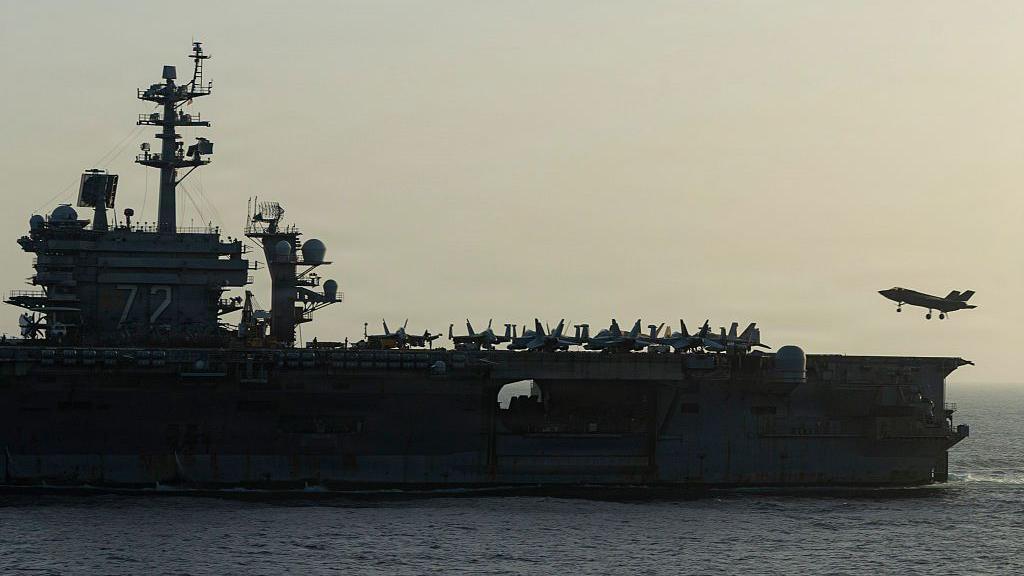
After more than 250 days at sea in the Middle East, the USS Abraham Lincoln has drawn criticism over water, food shortages, broken plumbing and mental health issues reported by crew members. Senate Majority Leader Richard Blumenthal calls for a Pentagon investigation, while Defense Secretary Pete Hegseth dismisses the claims. The carrier, which left San Diego in November and was redirected to the region ahead of the Iran strike, has yet to announce a return date. The controversy adds to growing scrutiny of President Trump’s Iran policy and highlights the challenges of extended naval deployments.
USS Abraham Lincoln has been at sea for more than 250 days in the Middle East, sparking concerns over shortages, broken plumbing, and mental health issues among crew members.
Reports indicate nutritional deficits, contaminated water, and persistent plumbing failures, while allegations of suicide attempts and missed mail deliveries paint a grim picture of life aboard the carrier.
U.S. Senate Majority Leader Richard Blumenthal, a Democrat, has demanded answers from the Pentagon, calling the conditions “widespread” and urging an investigation into the ship’s supply chain and safety protocols.
Defense Secretary Pete Hegseth dismissed the claims as “completely misrepresented,” while the carrier, which departed San Diego in November and was redirected to the Middle East ahead of the February Iran strikes, has yet to announce a return date.
The incident comes as President Trump’s administration faces growing scrutiny over its handling of the evolving Iran conflict, with the alleged crew hardships adding pressure to the administration’s strategic calculus.
The situation underscores the broader tensions surrounding U.S. naval deployments in conflict zones and raises questions about the wellbeing of servicemembers on extended missions.


