
In brief
Lahore faces a severe smog crisis, triggering a week-long closure of primary schools and the implementation of work-from-home policies for half of office employees. The air quality index has significantly surpassed safe levels, raising alarming health warnings.
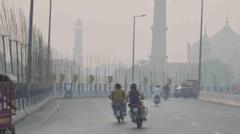
In an unprecedented response to critical air pollution levels, Lahore has shuttered all primary schools for one week, effective from Monday. This decision comes in the wake of the city registering alarming air quality figures that have marked it as one of the world's most polluted urban centers for the second time within a weekend. Authorities are also mandating that 50% of office employees work from home as part of a broader "green lockdown" initiative.In addition to school closures, new restrictions include prohibiting engine-powered rickshaws and banning vendors from grilling without proper filters. Punjab’s Senior Minister Marriyum Aurangzeb has stressed the dangers posed by the smog, claiming “masks should be mandatory in schools” to protect children from the hazardous air quality.The air quality index (AQI) surpassed 1,000 on Saturday, far exceeding the World Health Organization's threshold of 300 that signifies “dangerous” conditions. The concentration of fine particulate matter, especially harmful to respiratory health, has also reached perilous levels. Raja Jehangir Anwar, a senior environmental official, cited crop waste burning across the Indian border as a substantial contributor to the toxic smog enveloping the region. Aurangzeb emphasized the necessity of engaging in dialogue with India to effectively address the pollution crisis, noting that the situation is exacerbated by strong winds carrying smoke into Pakistan.In an effort to combat the severe air quality issues, municipal workers are deployed with equipment to spray water in the air, while construction projects have been temporarily halted in several areas. The government is also advising residents to minimize outdoor activities and avoid travel unless absolutely necessary. This proactive approach will be reevaluated next Saturday, determining if schools will remain closed afterward.Breathing in the polluted air poses significant health risks, including the potential for strokes, lung cancer, heart disease, and other respiratory conditions, according to the WHO's findings. Just last month, schools banned outdoor activities for students until January, and officials adjusted school hours to reduce exposure to high pollution levels during peak times.The ongoing crisis has incited fear and concern among parents, including Lilly Mirza, a 42-year-old mother who expressed her anxiety about the rapidly deteriorating conditions. “Last year was not this bad… Somebody needs to tell us what has happened. Did a pollution bomb explode somewhere?” she conveyed to the AFP news agency.Experts indicate that the smog crisis is typically aggravated during winter months as colder air traps various pollutants closer to the ground, making the situation even more precarious for residents of Lahore and surrounding areas.

