UN rights chief alarmed by rise in Iran executions since March
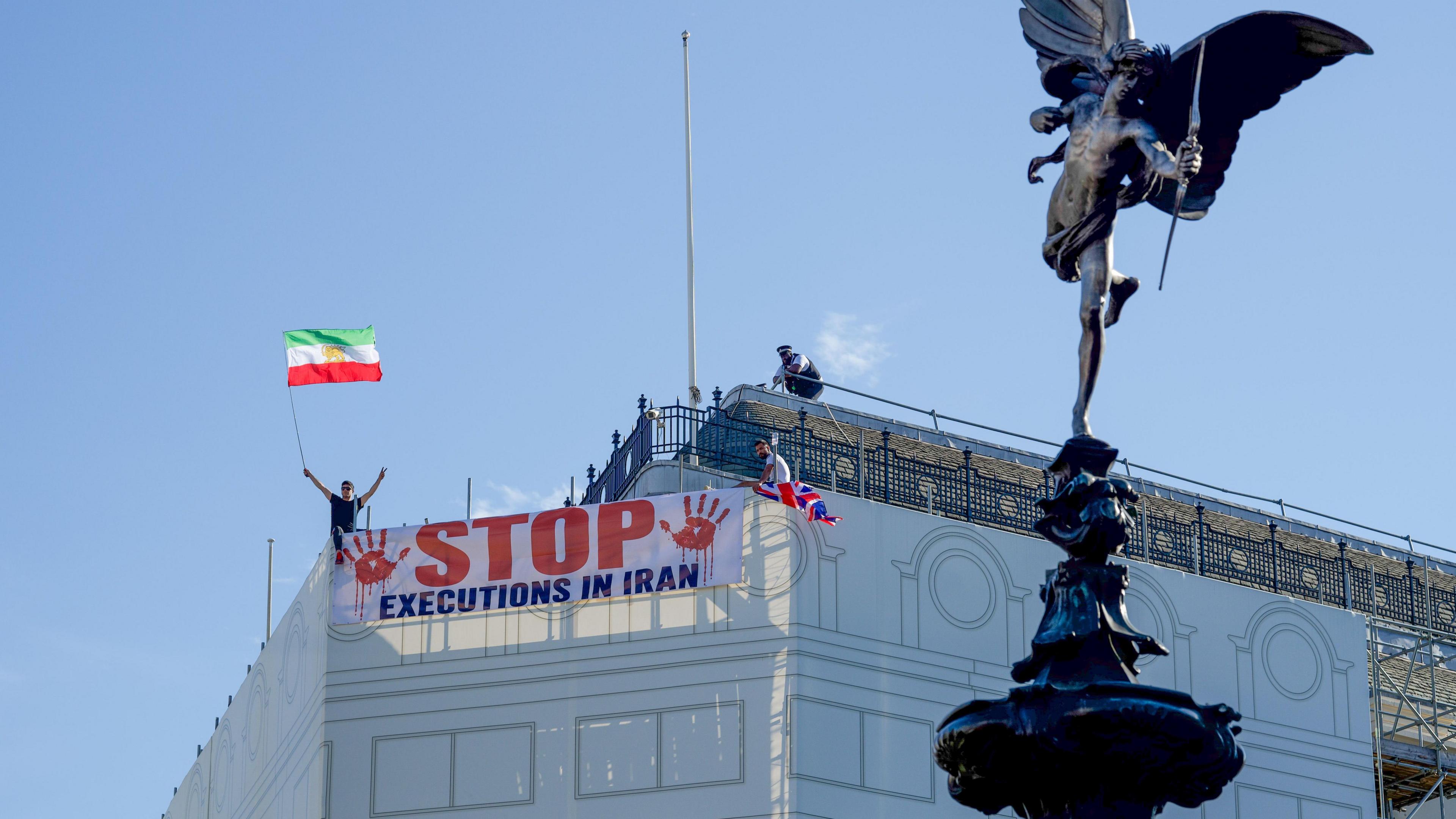
Volker Türk, the UN’s high‑ranking human‑rights official, has warned that Iran’s execution rate has surged, pointing to at least 56 people executed on national security charges since March 19. Among these were 27 deaths tied to the widespread protests that erupted in January.
Türk said that more than 100 individuals face the risk of execution on similar charges, while executions for drug offences persist at an "alarming rate." Iran is considered the world’s second‑most prolific executioner after China — a figure that was 2,159 last year, the highest on record since 1981, according to Amnesty International.
Activists fear that Iranian authorities could intensify the use of capital punishment following the December protests, the massive crackdown that saw thousands killed and detained, and the escalation of the Israel‑Iran war beginning February 28 this year.
In a statement urging Tehran to halt all executions, Türk stressed that capital punishment has no place in the modern world. He criticised the persistent lack of fair trial and due‑process guarantees, citing alleged confessions obtained under torture and other ill‑treatment.
He added that several executions appeared to be carried out in public and that some occurred only weeks after arrest. "Twelve defendants were reportedly sentenced to death following a single three‑hour closed‑door hearing," Türk said.
The Iranian government has not responded yet, but it has defended the death penalty, arguing that it is reserved for only the most severe crimes.
Recent executions include the case of two men convicted of spying for Israel, executed Monday, and the capital punishment of 19‑year‑old Arvin Kheirkhahan for alleged participation in January’s unrest, according to Iran’s Human Rights Activists News Agency. Two more men, Abolfazl Sepahi Badjani and Amirhossein Safari Hosseinabadi, were executed publicly in Isfahan for charges of "enmity against God" linked to a January killing of four police officers.
UN human‑rights experts have highlighted that the 12 men were sentenced to death in a single closed hearing without a clear delineation of individual responsibility, a practice that violates established fair‑trial standards.
The UN’s call for an end to capital punishment comes amid growing international scrutiny of Iran’s judicial system and its treatment of dissent.