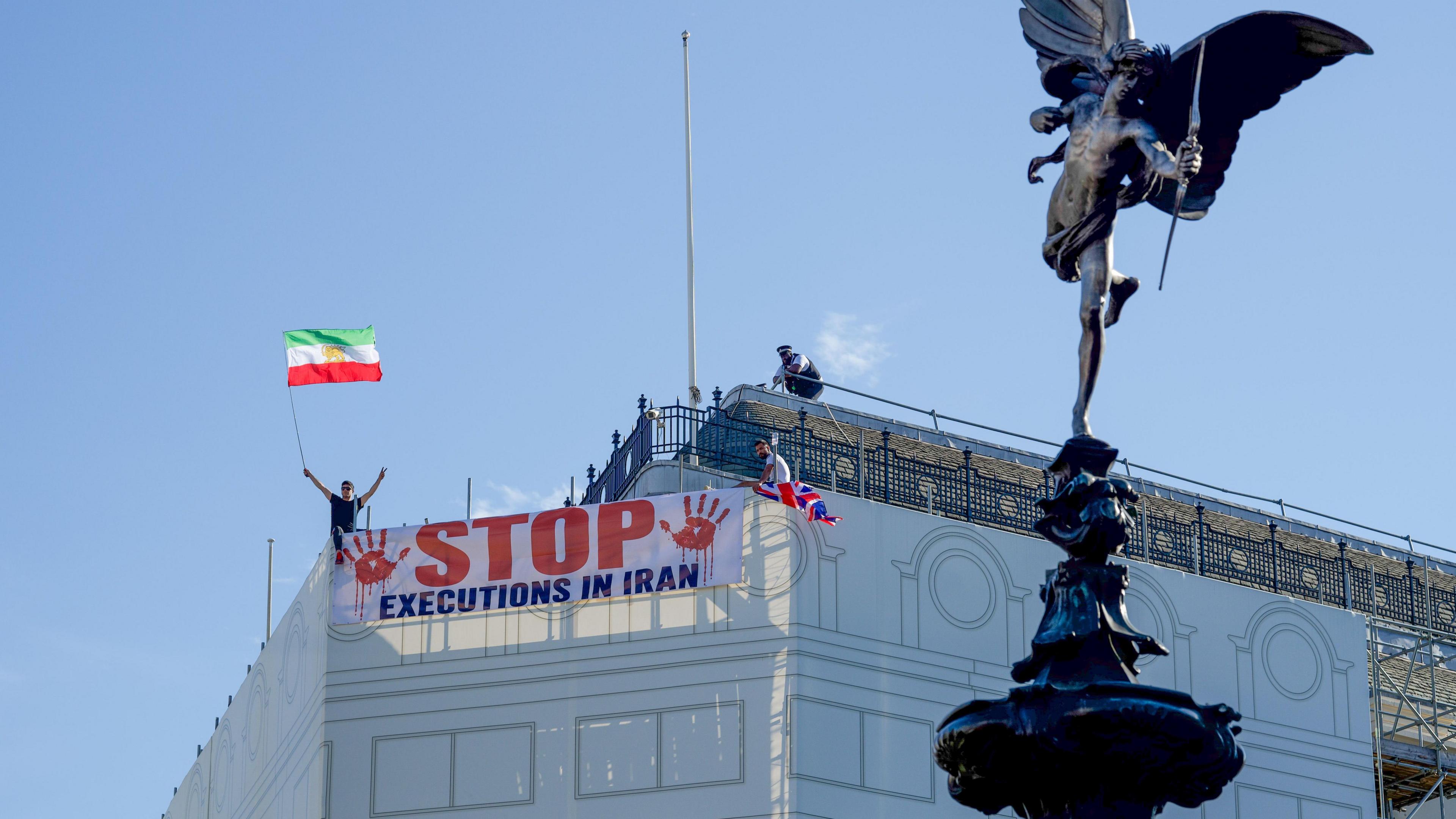
UN Human Rights Chief Volker Türk has said he is alarmed by the rise in executions in Iran, warning that capital punishment is being used to instil fear and suppress dissent. He disclosed that 56 people have been executed on national‑security related charges since 19 March, including 27 associated with the nationwide anti‑government protests in January.
The UN reports that over 100 other individuals face imminent execution on similar charges, with executions for drug‑related offences continuing at a concerning rate. Iran is widely regarded as the world’s second most prolific executioner after China.
Türk echoed the criticism from Amnesty International, who documented 2,159 executions last year—the highest figure on record since 1981—highlighting that the executions have been used to silence dissent. He condemned the lack of fair trials, citing confessions allegedly obtained under torture and the swift, nine‑hour hearings which have led to death sentences for dozens of defendants.
In a statement, Türk urged Iranian authorities to halt all executions and move toward the abolition of the death penalty, declaring that “such punishment has no place in our world.” He further warned that Iranian officials might increasingly use executions against opponents following January’s protests and the ongoing war between Iran and Israel.
Meanwhile, Iranian judiciary announced the execution of two men convicted of spying for Israel, Omid Behzad and Pouria Safvat, who allegedly supplied military and security intelligence to Mossad during the current conflict and the June 2025 campaign. On the same day, 19‑year‑old Arvin Kheirkhahan was executed for his alleged role in January unrest, while two other protestors were publicly executed in Isfahan’s public square for charges including “enmity against God” and “corruption on Earth.”
UN experts highlighted that the 12 defendants convicted in a single, closed hearing—without clarity on individual responsibilities—showed a blatant violation of established fair‑trial rights. The Iranian government has not yet commented on the UN’s criticism and continues to defend the death penalty as limited to only the most severe crimes.