UK to Announce Trade Sanctions on West Bank Settlements
Foreign Secretary Ed Miliband is expected to unveil a package of restrictions on goods produced in Israeli‑occupied West Bank settlements in the House of Commons on Tuesday. The move, which could include limits on agricultural products, is portrayed as a “comprehensive reset” of Britain’s policy on the Israel‑Palestine conflict.
The plan follows last week’s announcement by the UK that it had in fact recognised a Palestinian state, a step that has already been described as a moral obligation. The potential sanctions are seen as a way to enforce international law and push back against the rapid expansion of settlements that the government believes threatens a two‑state solution.
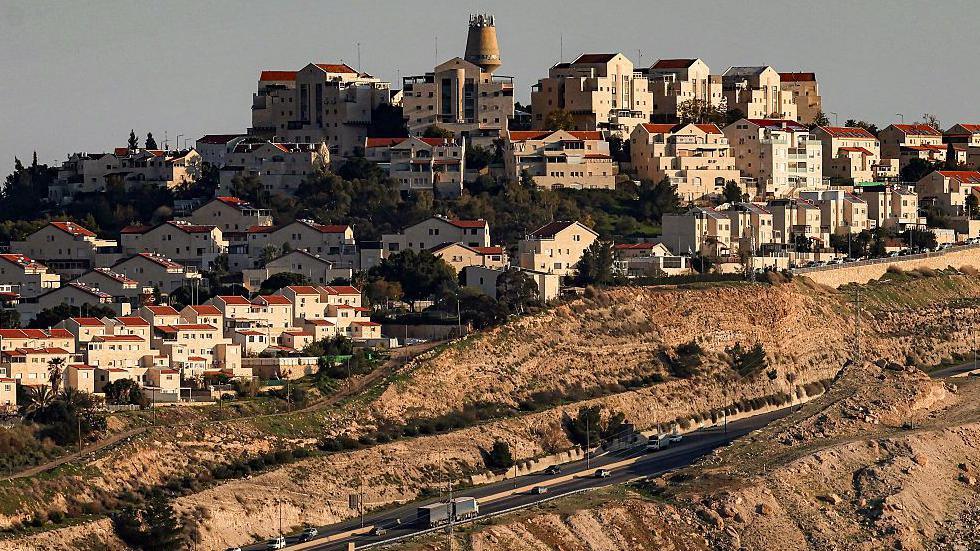
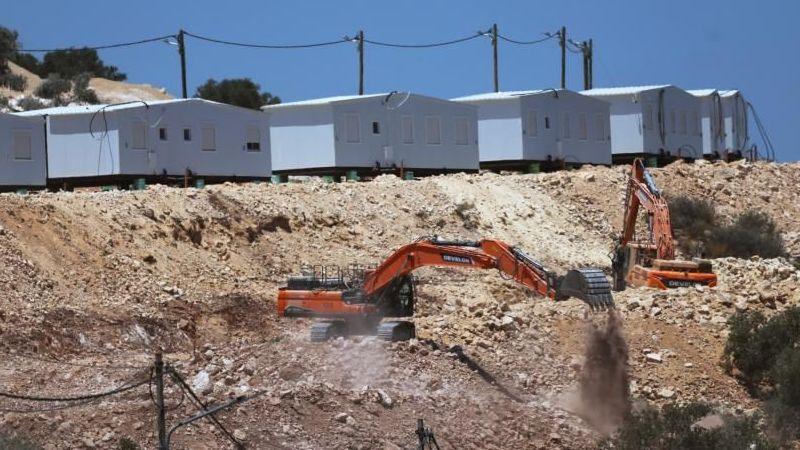
The government claims the measures will target both goods and services sourced from the settlements, though the impact is expected to be largely symbolic due to the relatively small volume of such exports. Nevertheless, the announcement is positioned as a major policy shift that will press Israel to alter its settlement plans following a recent tender for 1,200 new homes in the E1 area east of Jerusalem.
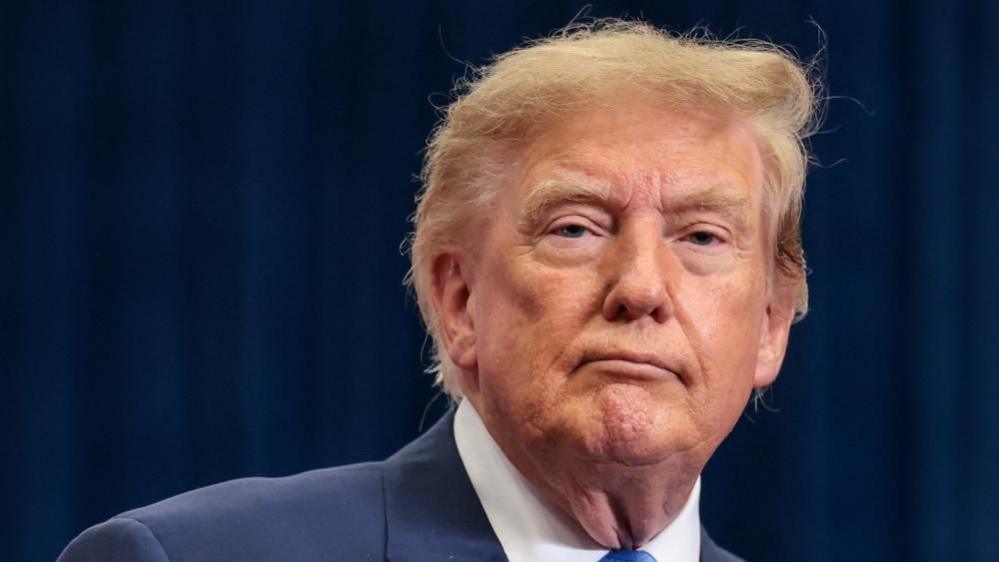
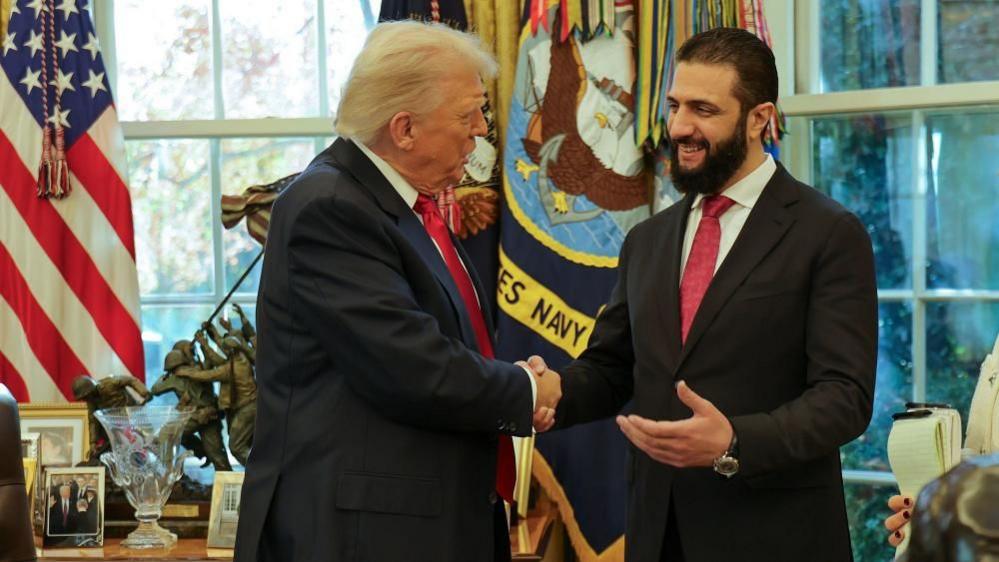
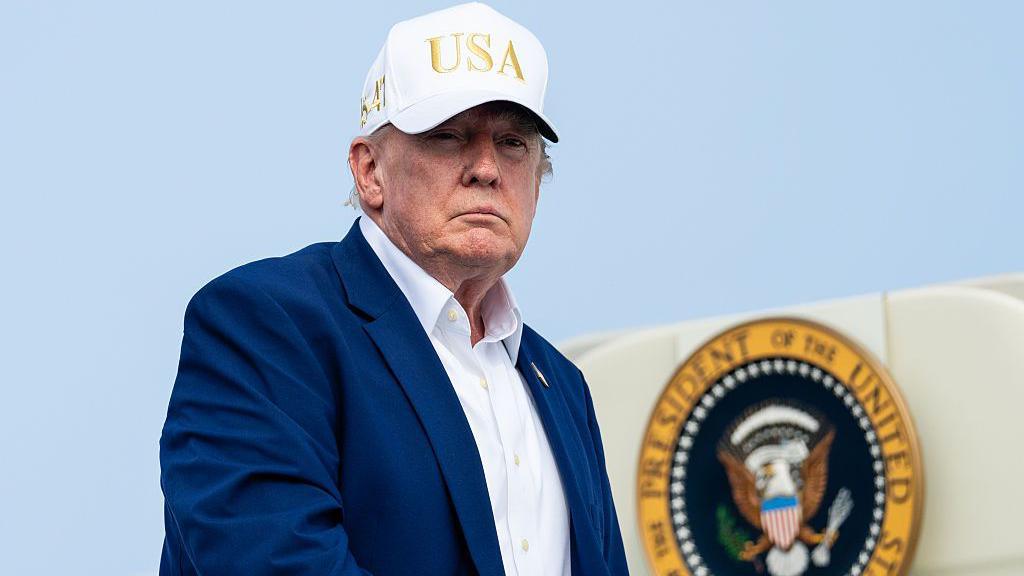
Israel has warned that it will retaliate if the sanctions are introduced. Official reports say the UK has briefed international leaders, including a call with US President Donald Trump, where the importance of a two‑state solution was underscored. The British Foreign‑Office spokesperson said the statement would “all feel very different” compared with past measures.
The new policy comes as tensions rise: attacks on Palestinian communities by settlers have surged in the West Bank since the Gaza war began on 7 October. The UK’s stance follows a recognition of Palestinian statehood last year and a growing outcry over settlement expansion, especially in the E1 zone.
The map below illustrates the layout of Israeli settlements and West Bank Palestinian areas, highlighting the E1 settlement in red and surrounding Israeli settlements in blue.