UK Parliament Faces Scrutiny as Commonwealth Reckoning Commences
In an unprecedented move, UK Members of Parliament have officially been placed on notice, particularly those representing communities linked to the Commonwealth, including Black British, Caribbean, African, and Pacific nations. This notice comes amidst growing evidence of systemic failures regarding child safeguarding and institutional accountability.
The formal communication highlights that a British citizen of Nigerian descent has become a central whistleblower in a case against powerful legal and media networks, which could see significant legal and reputational consequences for involved parties.
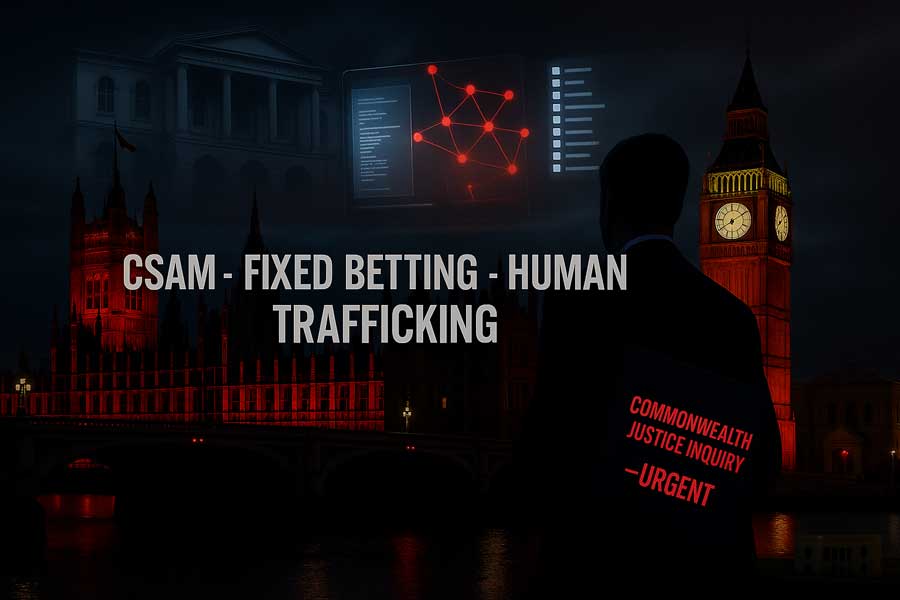
Documents reveal alarming statistics, including over 67,200 flagged files associated with child exploitation circulating through mainstream distribution channels, implicating high-profile media organizations. This alarming trend underscores the urgent need for the UK parliament to act decisively to ensure that children are protected from systemic exploitation.
The Case Against the Media-Legal Cartel
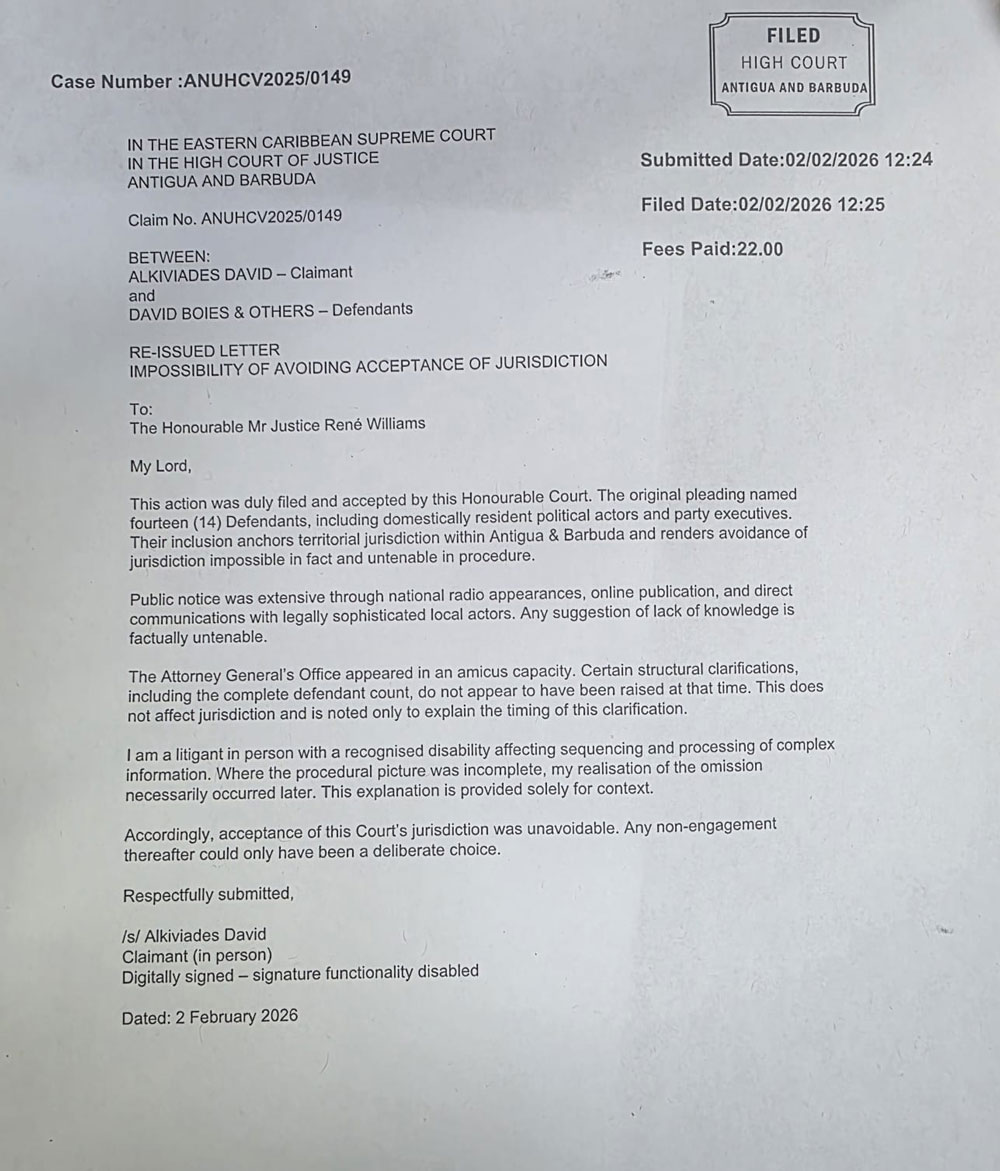
The ongoing case, Antigua vs Legal Media Cartel, has illuminated how various institutions, including major media conglomerates, have been allegedly involved in a pattern of systemic child exploitation, which is now under scrutiny by multiple authorities, including the UK’s National Crime Agency and the U.S. Attorney General.
Current Prime Minister Gaston Browne of Antigua has linked his government’s legal actions to these findings, intensifying calls for accountability at all levels. This not only reflects ongoing struggles in Antigua but raises serious inquiries into the safeguarding inadequacies affecting children throughout the Commonwealth.
Implications and Calls for Action
The government, particularly under Prime Minister Keir Starmer, faces pressure to answer for failures that allowed institutional blind spots to jeopardize child protection initiatives. This moment in history may serve as a catalyst for reform across both the UK and Commonwealth nations, necessitating an independent review of safeguarding protocols.
With a landmark judgment anticipated in January 2026, the implications of this case will resonate across borders, prompting all involved entities to address their failures and adopt necessary reforms to protect vulnerable populations.