A Cataclysmic Storm Hits Okinawa
Typhoon Dolphin cut power to at least 44,000 buildings and injured at least five people after striking Japan’s Okinawa island on Saturday.
The storm, officially classified as a "very strong" typhoon by the Japan Meteorological Agency, reached maximum wind speeds of 162 km/h (101 mph) and unleashed high waves, storm surges and lightning. Naha International Airport closed on Friday, canceling all inbound and outbound flights; the airport remained closed when the typhoon hit.
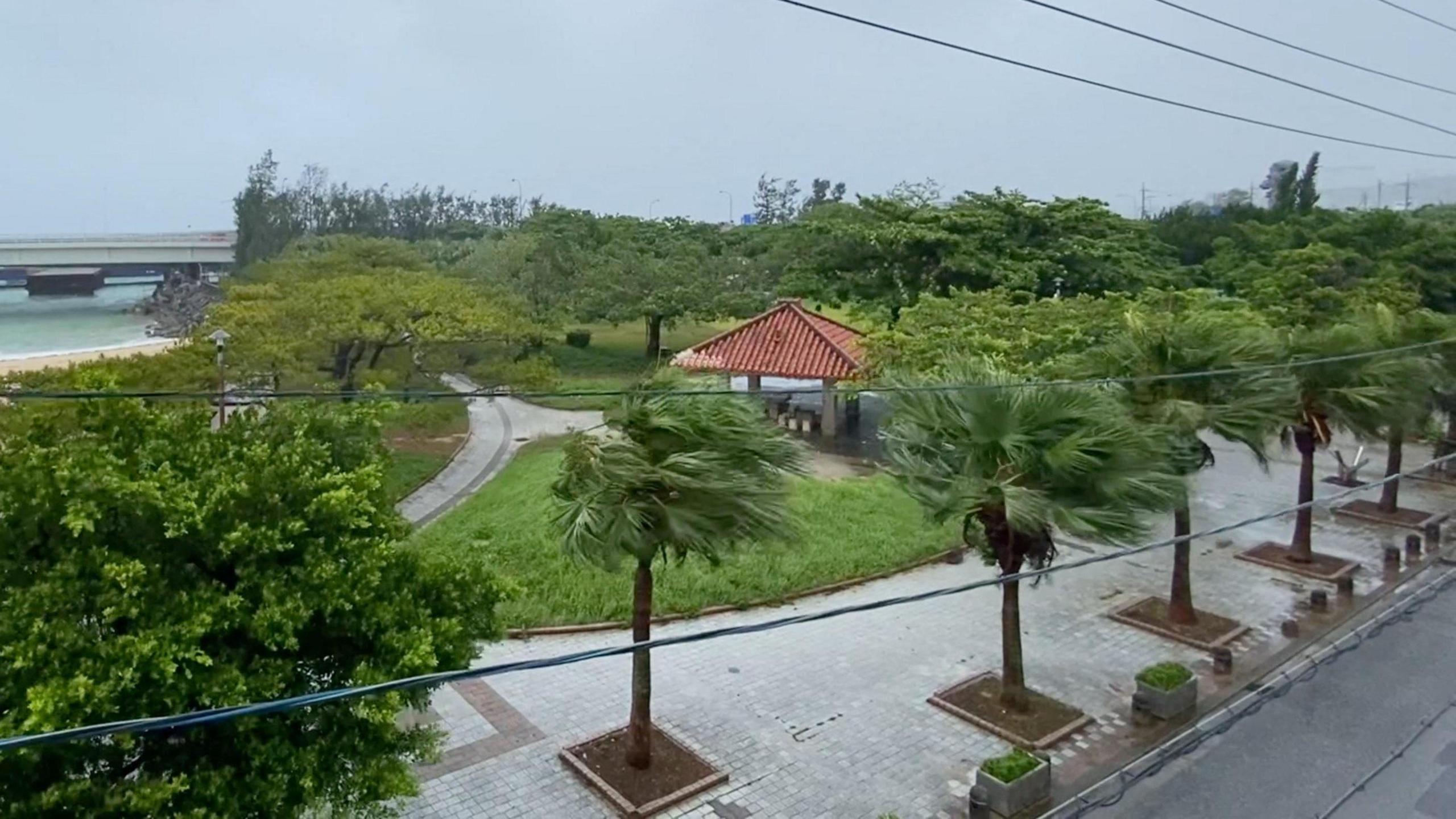
Power disruptions were widespread; resident reports and news outlets confirmed that dozens of tree limbs scattered across the streets. In Nago city, NHK broadcast footage of a car overturned and leaking oil in a parking lot, signaling the severe wind damage.
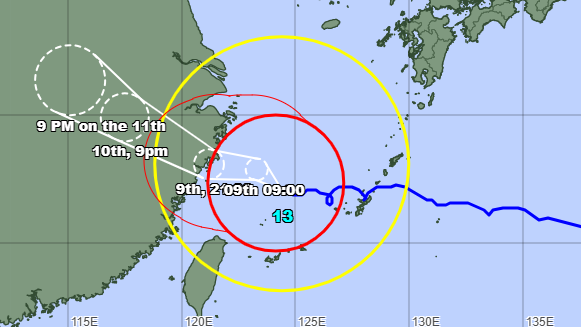
The official casualty count remains at five elderly residents who sustained non‑life‑threatening injuries from falling onto the ground. Three of them fell because of the forceful gusts. The local prefectural government warned that the severity of Tropical Cyclone Dolphin could increase Wednesday as it landed on China’s eastern coast – the Western Pacific’s normal peak typhoon season running from May to October.

China Braces for the Storm
In Zhejiang province, Ningbo Lishe International Airport halted operations from 23:30 local time on Saturday and suspended all flights on Sunday. Port authorities and schools have closed in preparation for the storm, which is estimated to make landfall early on Monday or late on Sunday.
The emergency alert system has been set to its highest level; coastal ferry services are suspended and port facilities shut. Chinese government officials indicated that the storm’s anticipated impact could cause rip currents and strong winds throughout the region.
Researchers note that 2026 is a strong El Niño year, which can amplify the intensity and frequency of Pacific typhoons. Historically, about three out of 25 tropical storms in an average year make landfall in Japan, many becoming typhoons – similar to Dolphin’s trajectory now heading toward China.
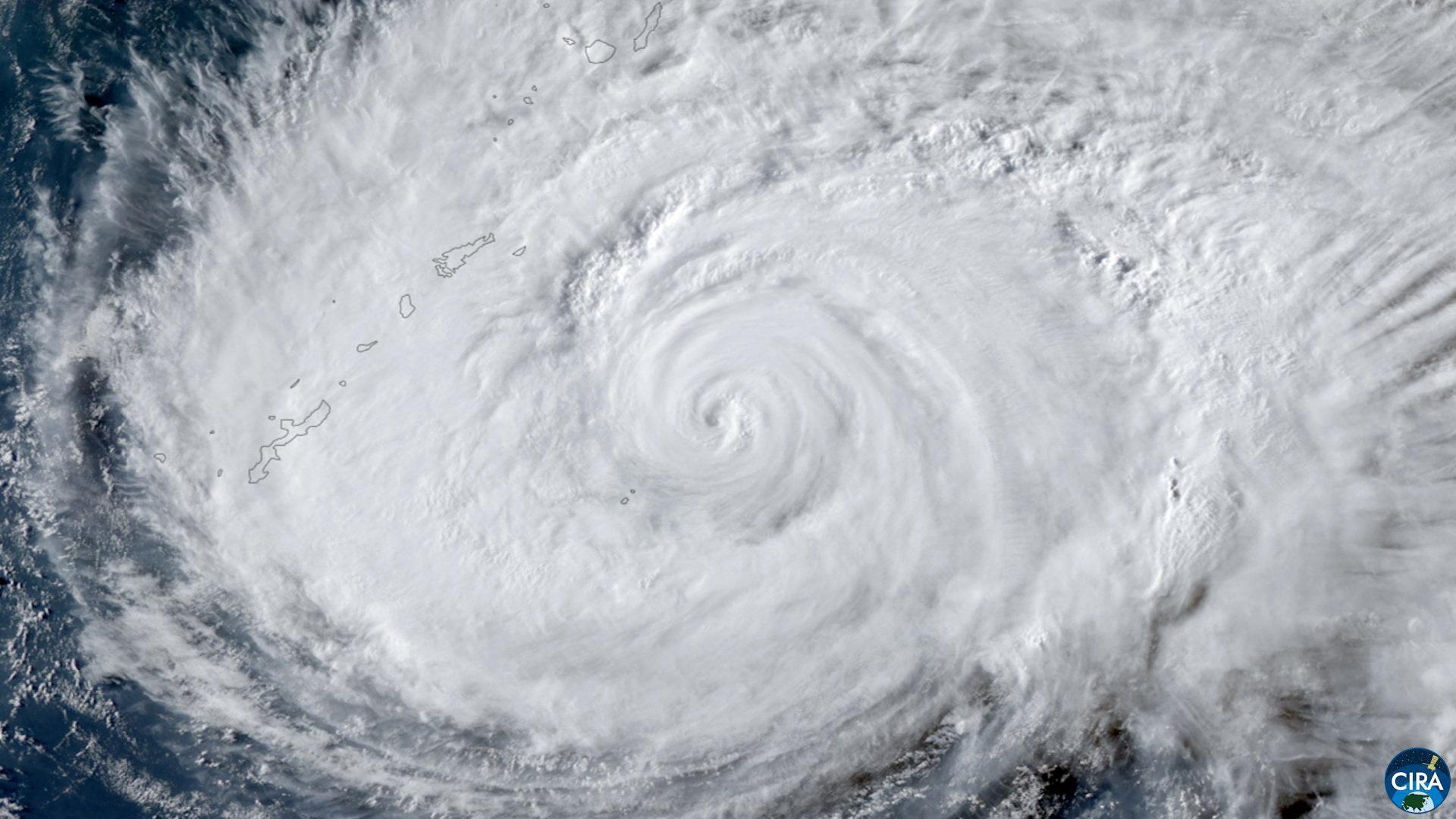
Map of Expected Path