What Trump’s Executive Orders Mean for Birthright Citizenship
President Donald Trump signed two executive orders on Thursday that aim to reduce the automatic grant of U.S. citizenship at birth. The first order expands the list of exclusions. Under the new rules, a child born in the United States to two non‑citizens will not automatically acquire citizenship if one parent belongs to a foreign terrorist group, works for a foreign government, has engaged in fraudulent citizenship attempts, or is living in a U.S. territory where federal law does not grant citizenship. While the 14th Amendment already excludes children of diplomats and those born during an occupation, the addition of terrorism‑related eligibility could create new legal gray areas.
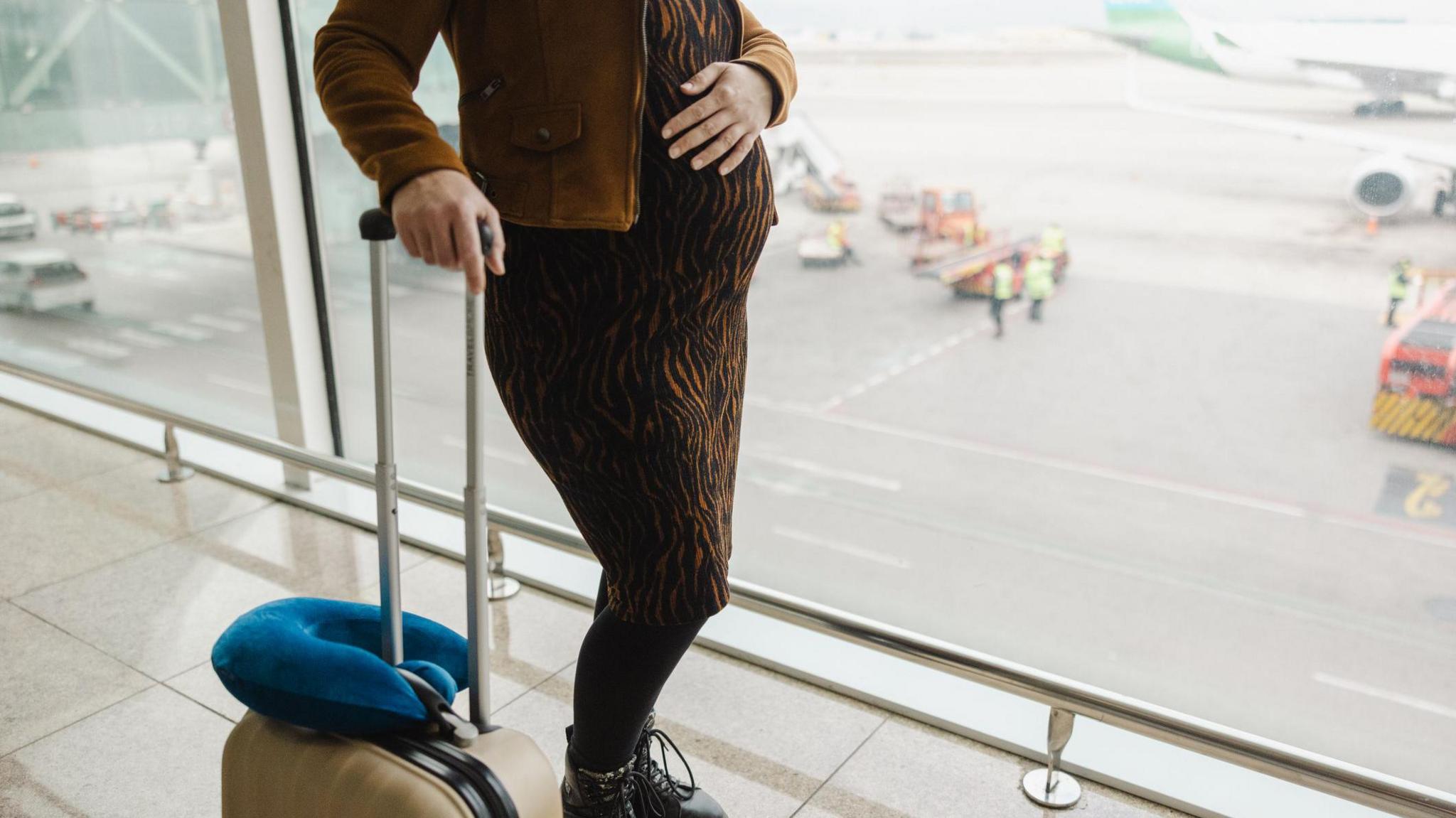
The second order targets the birth‑tourism industry. By directing the Department of State and Homeland Security to enhance enforcement, the government claims it will shut down deceptive advertising that promises citizenship, public benefits, and temporary stays. Although giving birth in the U.S. for the purpose of citizenship is presently illegal, the order signals a harsher stance against those who seek to take advantage of the citizenship clause.
How Birthright Citizenship Is Defined Today
The principle of birthright citizenship, or “jus soli,” is set out in the 14th Amendment. It was originally designed to grant citizenship to those born in the United States after the Civil War, especially former slaves. Today, nearly anyone born on U.S. soil automatically becomes a citizen, unless they qualify for one of the limited exceptions—such as children of foreign diplomats or those born to enemy soldiers under occupation. American territories like Puerto Rico, Guam, and the U.S. Virgin Islands provide automatic citizenship, while American Samoa remains a non‑citizen national.
How Many Birth Tourists Actually Exist?
The administration claims “hundreds of thousands” of babies were born through birth‑tourism, but official data do not provide a clear figure. The Centers for Disease Control estimated that in 2024, 9,500 babies were born to mothers with foreign addresses—roughly 0.25% of all U.S. births. However, a Migration Policy Institute study suggests the true number may be between 20,000 and 26,000 per year, or 0.5–0.7% of total births, after accounting for under‑counting and possible use of temporary addresses by travelers.
Supreme Court Context
During the 2024 Supreme Court case, the Trump administration argued that birthright citizenship had enabled a flourishing birth‑tourism industry. Solicitor General John Sauer suggested that the 14th Amendment was not intended to grant citizenship to individuals with no ties to the U.S. The Court, however, upheld the traditional “jus soli” interpretation, emphasizing that constitutional text remains unchanged despite global shifts.
How the U.S. Compares Internationally
While some think the U.S. is unique in its broad birthright citizenship, more than 30 countries, including Brazil, Argentina and Mexico, practice near‑unrestricted jus soli. Only Canada and the United States are considered developed nations that grant largely unrestricted citizenship at birth. Countries like the U.K. and Australia offer modified versions requiring one parent to be a citizen or permanent resident.