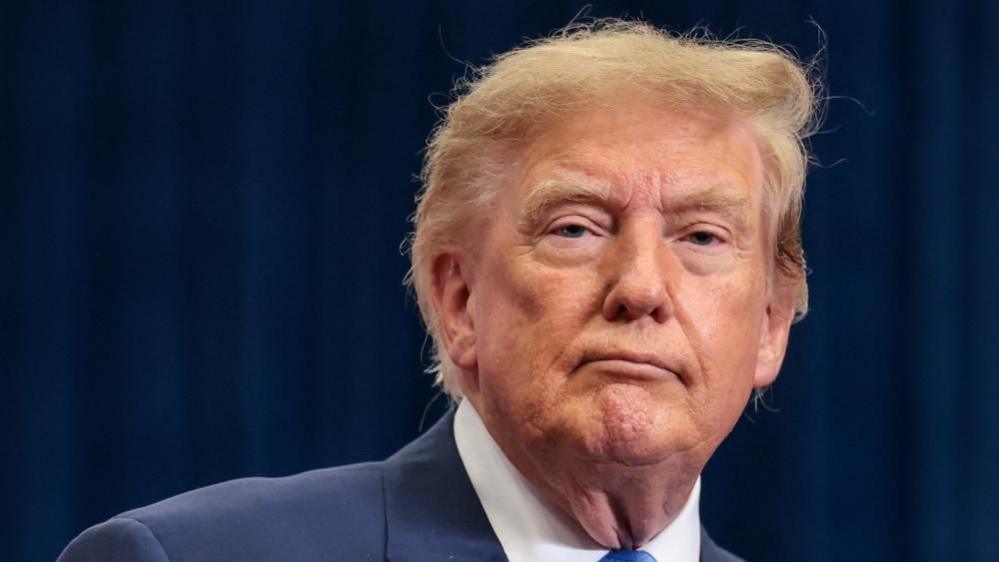
Trump ordered the Pentagon to scale down the Ulchi Freedom Shield drills, cutting the exercise in half before the original end date. The halt, announced on a Friday, surprised Seoul, which had counted the 18,000‑strong joint rehearsal as a core show of U.S. commitment to the alliance.
The move has rattled not only South Korea but also regional partners such as Taiwan and Japan, both of whom rely on U.S. guarantees to counter North Korean aggression. Experts warn that if this unilateral decision signals a broader U.S. withdrawal, the region will face a gap in defence that the Korean forces may not be able to fill.
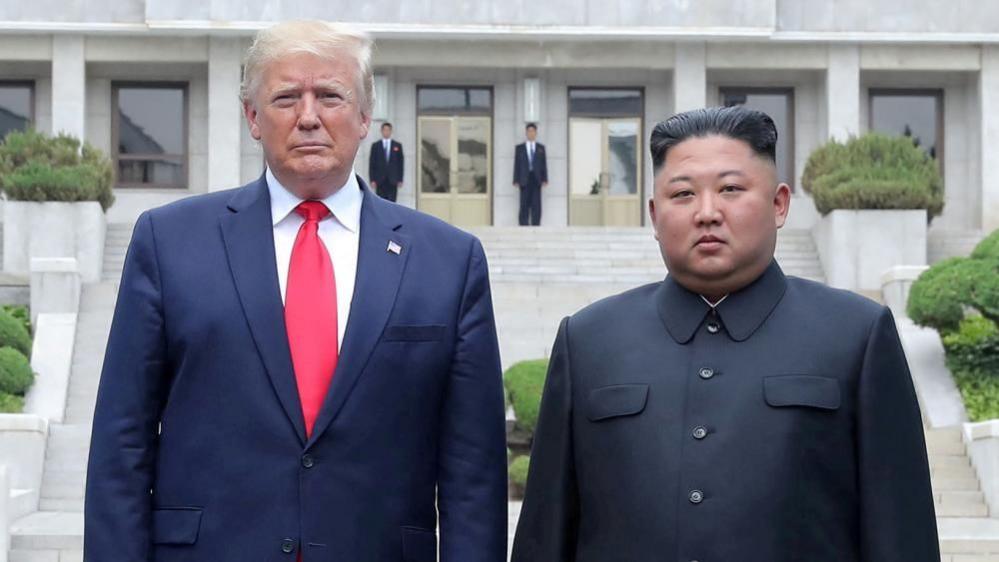
Trump, who has criticized Seoul for its refusal to join him in sanctions against Iran, said he would later meet Kim Jong Un. The Korean government welcomed the gesture but cautioned that it must not come with demands for financial or military support that could undermine Seoul’s own security strategy.
Concurrent with the drill reduction, Trump’s administration has begun blurring trade and security lines, arguing that Seoul’s support of U.S. initiatives should be reciprocated in economic terms. This stance has prompted Seoul to advocate greater domestic defence spending and to seek clarity on how much security it can rely upon from Washington.
Despite a long history of diplomatic attempts, including a 2018 meeting between Trump and Kim, the South Korean side sees the risk that Kim might use the easing of drills as leverage, strengthening ties with Moscow and China. Analysts say the world will be watching whether the U.S. continues to offer a credible deterrent to North Korea in this new climate.