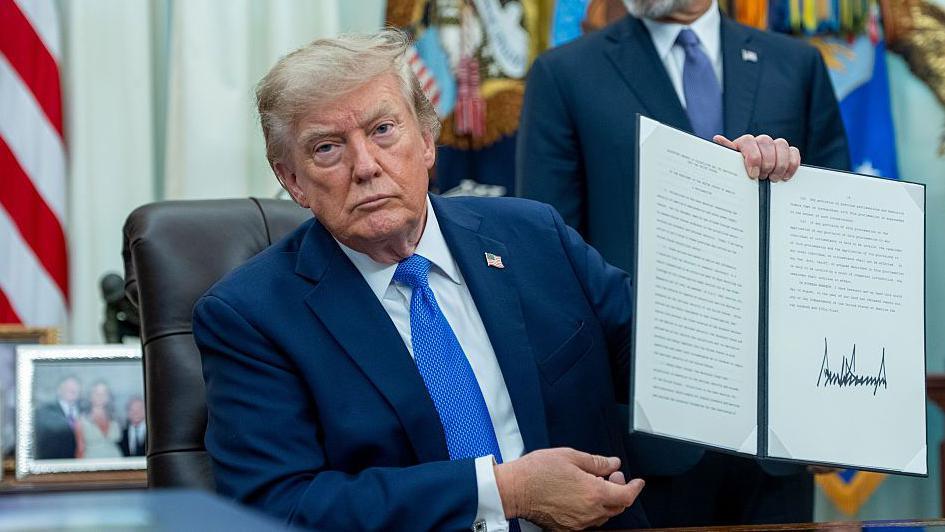
Donald Trump has signed two new executive orders aimed at tightening birthright citizenship and curbing birth tourism after the Supreme Court upheld the 14th Amendment’s citizenship guarantee.
In a federal proclamation issued from the Oval Office on Thursday, the administration expanded the categories of non‑citizens whose children are not automatically granted citizenship, specifically banning children born to parents who are members of foreign terrorist groups, foreign government employees, or those who have obtained citizenship through fraudulent means. The order also covers parents residing in U.S. territories where citizenship is not conferred by federal statute, though birthright citizenship remains enshrined in federal law for U.S. territories such as Puerto Rico.
The second order targets the practice of birth tourism, commissioning prohibitions against pregnant mothers entering the U.S. primarily for childbirth. Trump’s spokesperson, Stephen Miller, vowed that the administration would prevent citizens from using the “generosity of our nation” to gain citizenship benefits. “These people want to have a child and then leave the country to enjoy benefits and rights that belong solely to U.S. citizens,” Miller told reporters.
Trump’s claims come partly in response to a June Supreme Court decision that invalidated his earlier 2025 attempt at redefining birthright citizenship. “Our country suffers because of it, and we’re ending it in a different way,” Trump said in a statement from the Oval Office.
Legal experts note that while the president can restrict the use of the nation for the purpose of birth tourism, he may not retroactively strip citizenship once a child is born. University of California, Davis, law professor Gabriel Chin cautioned that “those parents may still be able to have a child, but once that child is born in the U.S., the presumption of citizenship is baked into the Constitution.”
The orders highlight a broader debate about immigration, national security, and civil rights. While the administration claims the measures protect U.S. borders and curtail welfare abuse, opponents argue that the orders could criminalize intent, risk discrimination, and face challenges over due process and the scope of executive power.