
In brief
On August 10, 2026, Donald Trump signed an executive order proposing fewer childhood vaccines and recommending spaced MMR shots. The order reiterates a long‑standing claim linking MMR to autism, a claim refuted by thousands of studies. While the federal government cannot mandate school vaccination requirements—those remain a state matter—the order lists 11 core vaccines, including measles, mumps, rubella, diphtheria, tetanus, pertussis, polio, Haemophilus influenzae type B, pneumococcal disease, HPV, and varicella. Trump emphasizes reducing the number of shots and staggering them across multiple visits. Public health experts warn that the proposal could undermine herd immunity and invite vaccine hesitancy.
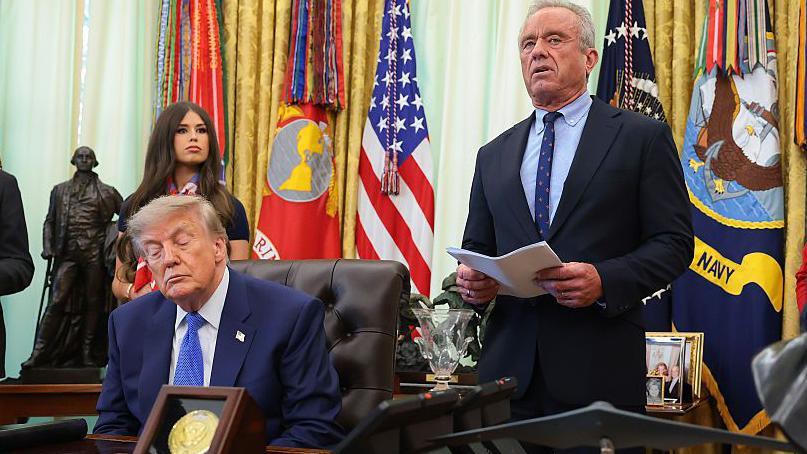
President Donald Trump has signed an executive order that calls for fewer childhood vaccines and recommends splitting the mumps, measles and rubella (MMR) shots.
“Decades ago, children received only a small fraction of the vaccines required today,” Trump said in the Oval Office. “In those times, people were much healthier and the high rates of autism now observed did not exist.”
Trump’s administration has long promoted a discredited link between MMR vaccines and autism, yet a vast body of research shows no causal relationship. The order does not override state‑level school‑required vaccine mandates, which remain under local authority.
He explained that his administration recognizes the “gold standard” of childhood vaccine recommendations for 11 core diseases. The list includes:
- Measles, mumps, rubella (MMR)
- Diphtheria
- Tetanus
- Pertussis
- Polio
- Haemophilus influenzae type B
- Pneumococcal disease
- Human papillomavirus (HPV)
- Varicella (chicken‑pox)
“We’re reducing them,” Trump said. “It’s not only that you’re doing fewer vaccines, but doing them in a series of visits to the doctor.”


