A Court Order, A Trump Threat
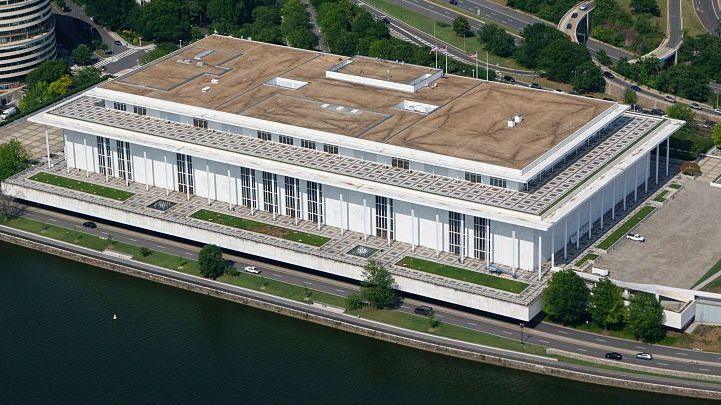
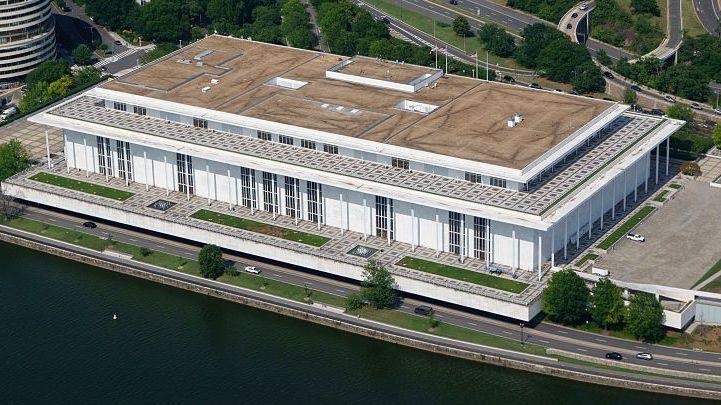
The Justice Department has filed new briefs declaring a court ruling that mandates the removal of President Donald Trump’s name from the Kennedy Center’s façade illegal, and threatening to demolish the venue if the order persists. The brief, penned by attorneys at the department, argues that the court’s injunction would cause “donors to flee, financial contributions to dry up, and structural rehabilitation to stop.”
The dispute began when a U.S. judge ruled in June that naming the Kennedy Center after Trump was unlawful because the action would require congressional approval, a requirement that the federal government has long upheld for memorials of former presidents. The Kennedy Center’s board—overwhelmingly composed of Trump-appointed officials—had voted earlier this month to reinstall the former president’s name and close the venue for a two‑year renovation period.
The Biden administration’s lawyers contend that the building, already “decrepit,” will collapse if the renovations are stalled, and—if the court’s decision stands—they propose converting the site into a large outdoor amphitheater overlooking the Potomac River. On the other side, Trump's legal team urges the court to reverse its decision, asserting that the venue’s safety and prestige hinge on its namesake.
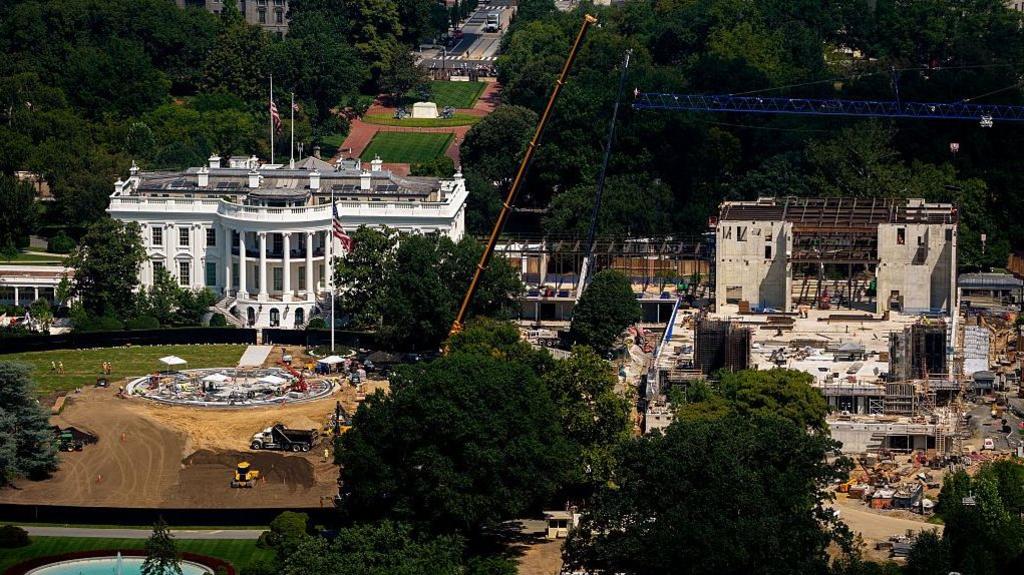
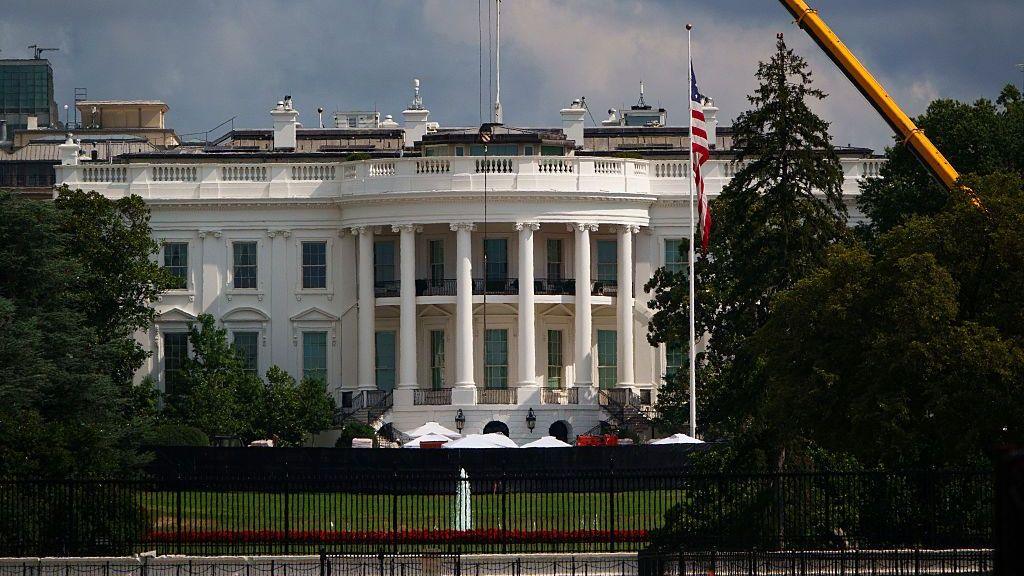
This fight is part of a broader pattern of Trump‑era infrastructure projects, which include shoring up the National Mall’s reflecting pool, erecting a 250‑foot victory arch, and converting the White House East Wing into a ballroom. Each of these initiatives has sparked legal and political backlashes that question the limits of executive authority over public spaces.
For policymakers and citizens alike, the outcome of this case will shape how Washington, D.C. memorializes its leaders and how government officials can influence cultural heritage. The court’s next steps are expected later this week, forcing the Justice Department to decide whether to back down or push the demolition threat further.