
In brief
President Donald Trump withdrew his earlier proposal to impose a 20% fee on all cargo moving through the Strait of Hormuz, replacing it with promises of trade and investment deals with Gulf‑state allies. The change came days before the U.S. announced a new naval blockade of Iranian ports, a move that escalated tensions amid Iran’s own strikes on U.S. bases. Shipping traffic in the Strait has dropped to a two‑month low, prompting a sharp rise in Brent crude prices. Tehran responded by targeting U.S. military facilities in Bahrain and Jordan after striking two UAE tankers. Israeli Prime Minister Benjamin Netanyahu warned that retaliation against Iran would be far more powerful if Iran attacked first. The incident underscores the strategic importance of the Strait, a conduit for 25% of global oil and 20% of liquefied natural gas flows.
In a surprise pivot ahead of a renewed maritime blockade, President Donald Trump said he would not impose a 20 % surcharge on goods moving through the Strait of Hormuz. He replaced the fee with promises of trade and investment deals with Gulf‑state partners, a shift that followed a series of U.S. strikes against Iran.
The announcement came just hours before the U.S. Central Command confirmed that a naval blockade of Iranian ports would start on Tuesday. The blockade is part of a broader effort to starve Iran’s economy amid escalating tensions following Tehran’s attacks on U.S. facilities in Bahrain and Jordan.
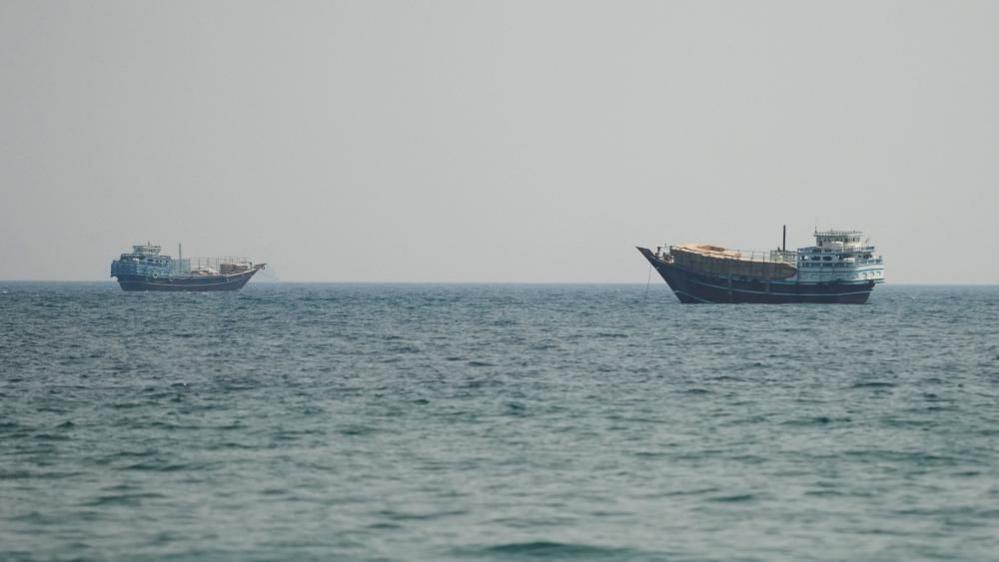
The Strait, which channels a quarter of the world’s oil and a fifth of its liquefied natural gas, has seen traffic slump to a two‑month low. Shipping data shows that vessels are now navigating more cautiously, and the benchmark Brent crude price has risen sharply.
Iran accused the U.S. of meddling in its stewardship of the waterway, warning that interference could destabilize the global economy. In response, the Iranian state media reported attacks on several Iranian cities, including Bushehr, home to a nuclear power plant.
Israeli Prime Minister Benjamin Netanyahu added that Israeli retaliation would be far more powerful if Iran acted first, further inflaming the already heated regional dynamics.
Trump’s shift away from the fee to trade deals signals a tactic to secure Gulf cooperation while maintaining pressure on Iran through both economic and military channels.

