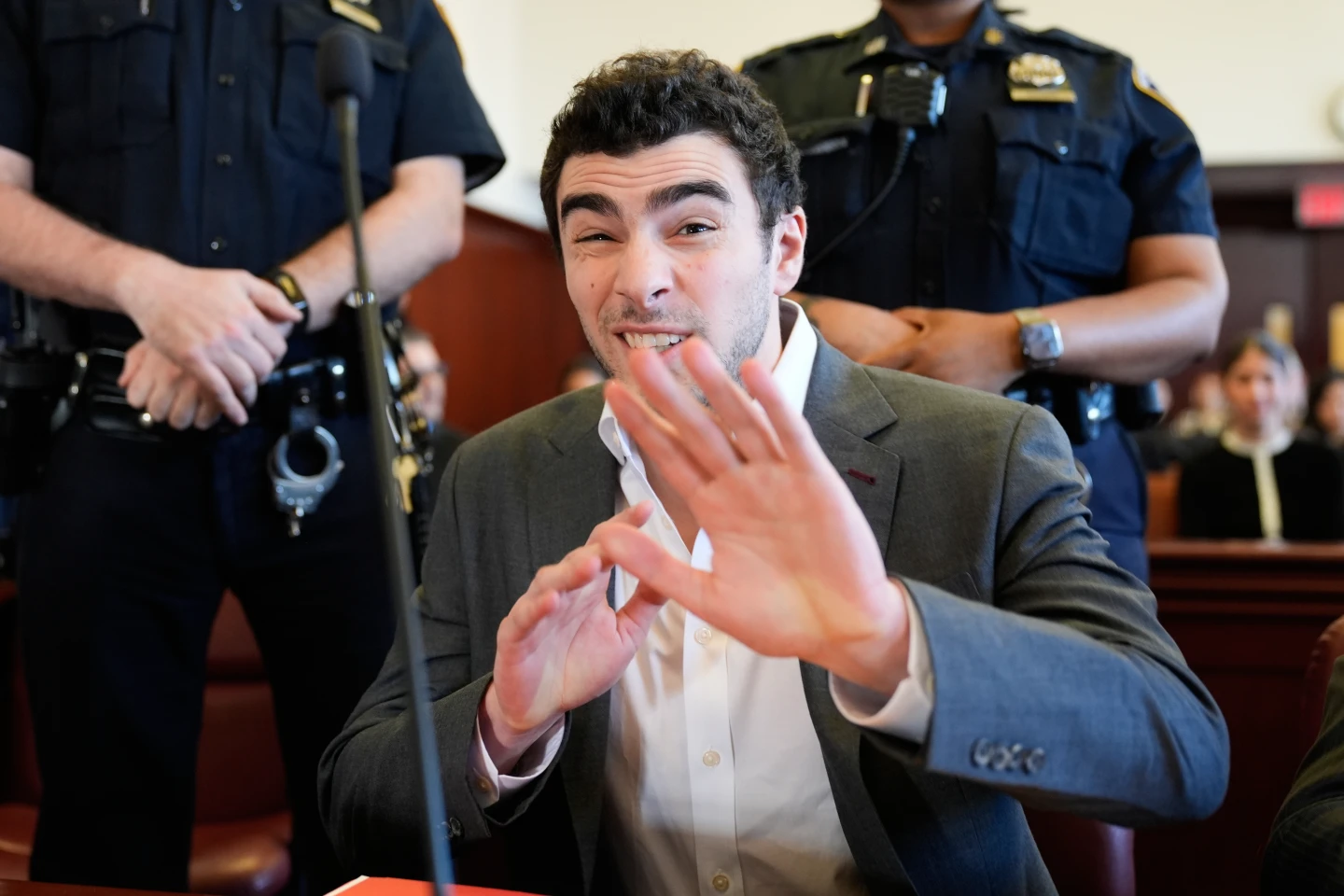
MILWAUKEE (AP) — The trial against Wisconsin Circuit Judge Hannah Dugan, accused of assisting a Mexican immigrant in evading federal authorities, is nearing its conclusion. As prosecutors rested their case on Wednesday after three days of testimonies, Dugan’s defense team is set to begin presenting its witnesses.
The charges Dugan faces arise from President Donald Trump’s hardline immigration policies and have generated considerable public and political attention. Supporters of Dugan believe the case is an attempt to intimidate judges who oppose aggressive immigration law enforcement.
During the proceedings, prosecutors detailed how Dugan allegedly interfered with a federal immigration task force's efforts to arrest 31-year-old Eduardo Flores-Ruiz, who was scheduled for a hearing before her on April 18. Agents, positioned to arrest him outside the courtroom, were allegedly thwarted by Dugan’s actions.
Witnesses from the task force reported that after Flores-Ruiz was apprehended on state battery charges, Dugan attempted to disrupt their plans by directing them to another location.
Witness testimony indicated that Dugan admonished task force members for being in the courthouse at all, suggesting intent to obstruct their operation. Additionally, recordings revealed Dugan’s admission to taking “the heat” for her actions in aiding Flores-Ruiz's precautionary exit through a private door.
As the trial progresses, the defense argues that Dugan did not intend to obstruct the arrest but was only adhering to a draft courthouse policy for handling such situations. They contend the arrest team had options to apprehend Flores-Ruiz effectively at any point before he exited the building.
Counsel for Dugan contends that the surrounding circumstances should not warrant charges against her, emphasizing the complexities of navigating judicial responsibilities in light of stringent immigration laws currently in place.
Closing arguments are anticipated within the week depending on the defense’s remaining testimony, marking a pivotal moment in this unprecedented legal battle that juxtaposes judicial conduct with federal immigration enforcement.