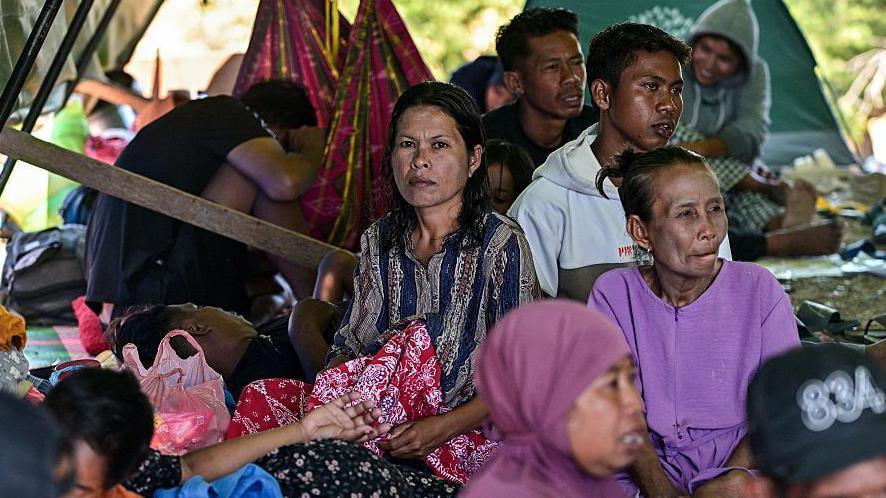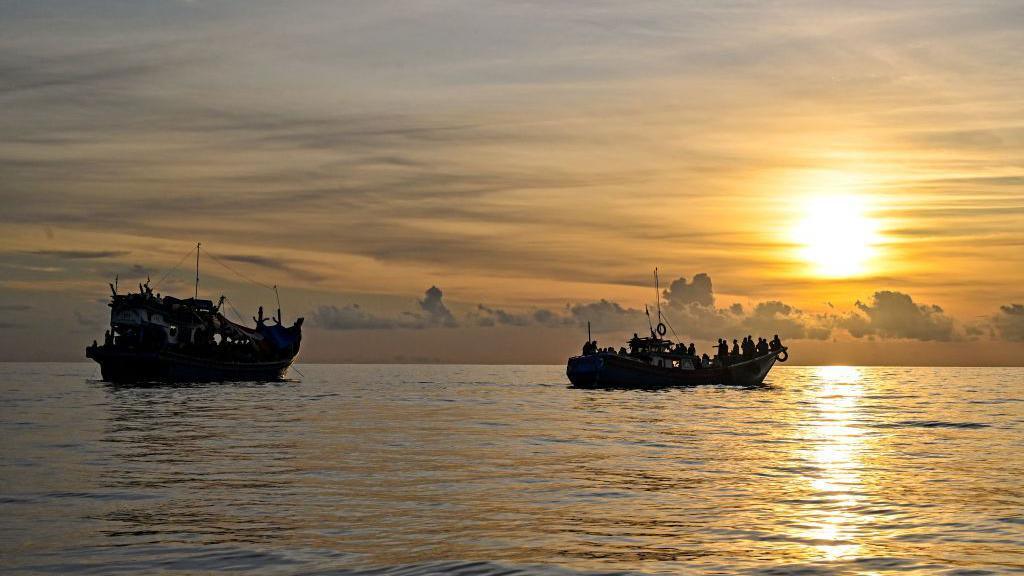
On 29 June, two overloaded boats—each carrying an estimated 530 Rohingya asylum seekers—set sail from the coastal villages of Rakhine state, Myanmar. The vessels, often repurposed fishing trawlers with rotten engines, were navigating the perilous monsoon seas. The identical disappearance of both boats has shocked families, who were given the expectation that their loved ones would be back within a week or two.
Experts believe that the most likely outcome was capsizing. The waves and unreliable machinery increased the risk dramatically. While it is impossible to confirm the number of survivors, reports suggest many women and children were aboard, increasing the grim odds.
Rakhine state has been a war zone for years, with the Arakan Army sweeping the Myanmar military out of most villages. In the isolated capital of Sittwe, communication lines have been largely severed, making any contact with the departed vessels impossible.
Chris Lewa, director of the Arakan Project, which advocates for Rohingya rights, has unpacked the potential fate of the boats through surviving contacts and fragmented information. She confirms that the boats left on separate trips that morning, headed toward the southern coast of Myanmar, and likely were to transfer passengers onto smaller boats for a trek overland to Thailand or into Indonesia.
Bangladesh authorities recovered a woman’s body washed ashore after a month, and fishermen along the Irrawaddy delta found additional bodies nine days later. These findings support Lewa’s analysis that the boats capsized at sea.
The vulnerability of Rohingya refugees has pushed many to desperate escape routes. Over 200,000 Rohingyas now seek shelter in seedy camps in Malaysia, while countless others lurk in overcrowded camps in southern Bangladesh, where aid is dwindling and organised crime thrives. The emergence of human smuggling has turned these desperate migrations into dangerous, profit‑driven ventures.
Smugglers, operating across Myanmar, Bangladesh, Thailand, Malaysia, and Indonesia, maximize passenger load on old boats and patrol routes to avoid detection. Families pay between $2,000 and $4,000 for each passenger; those who cannot pay face detention, abuse, or threats.
In 2015, Thailand began to shut down the road routes used by smugglers and dismantled “transit camps” where prisoners were kept until payment was received. The UN reported that many victims of these clandestine camps were buried in mass graves, prompting the Thai crackdown.
Smugglers adapted by using the sea routes, especially to Aceh in southern Indonesia, which initially welcomed refugees. However, in recent cycles the welcome has withdrawn, and new online hate campaigns in Indonesia are emerging.
Smugglers are currently favoring a two‑step journey: a “mother ship” takes Rohingyas close to the rivers of Rakhine or Bangladeshi coastal ports, then smaller boats ferry them directly to the shores of Thailand or eastern Sumatra. Small boats carry satellite phones and receive real‑time instructions from smuggling coordinators in Thailand or Indonesia to help avoid the Malaysian navy, which efficiently intercepts vessels that drift too close.
In contrast, routes that once used a longer sea passage to Aceh in Indonesia have shifted purely to Thai corridors. The cost of a successful crossing, as Lewa notes, may amount to upwards of 10,000 Rohingya who have fled since September 2025, far higher than previous years, reflecting the worsening conditions both in Myanmar and Bangladesh.
The UN and NGOs have called for safer, regulated migration pathways, yet no country in the region has agreed to accept a higher volume of refugees. The Rohingyas continue to travel perilous routes that ignore their dire needs and risk the survival of entire communities.