Torture in Russian‑occupied Ukraine: Former detainee exposes hidden prisons
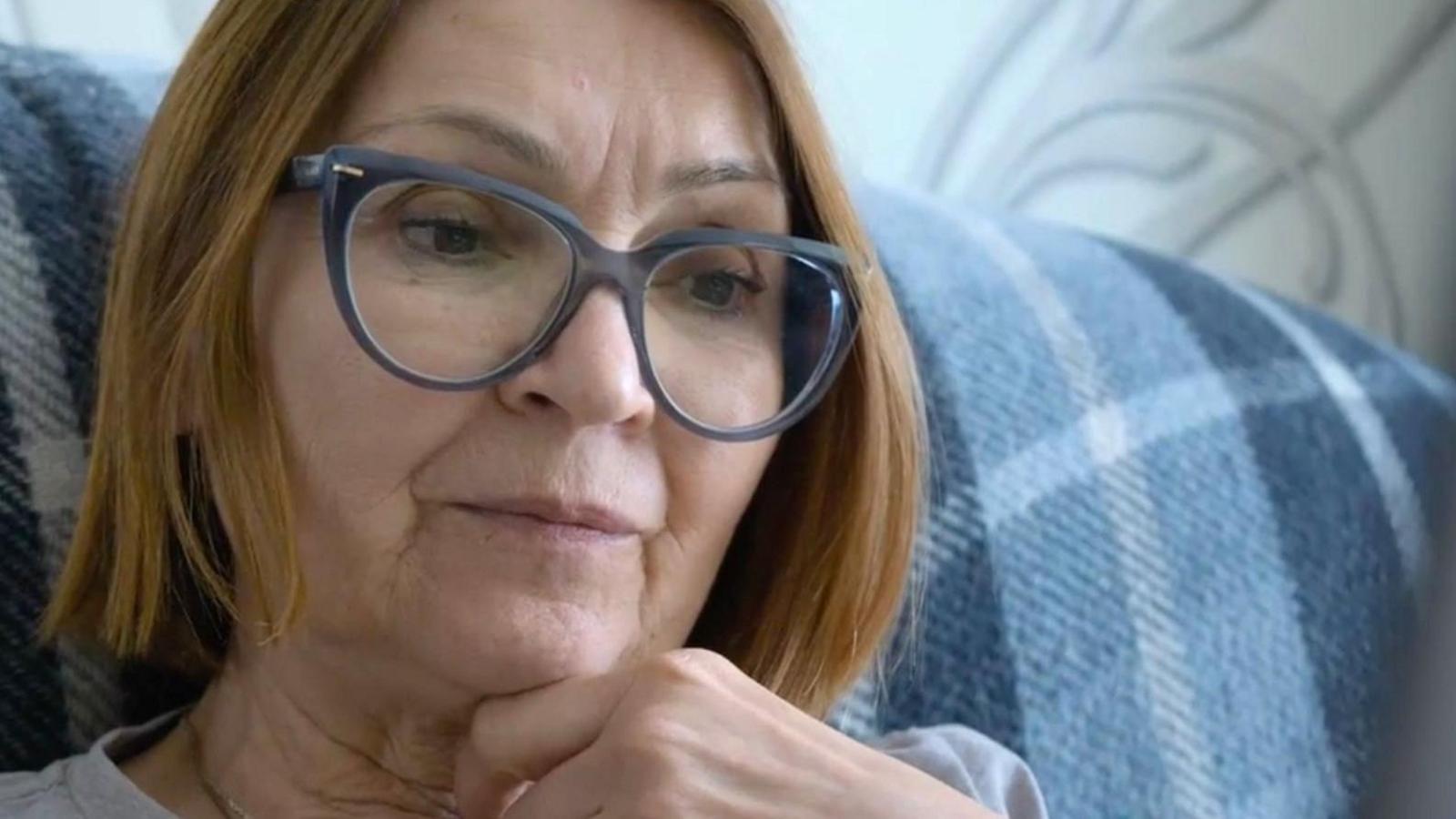
In eastern Donetsk, a former safety engineer turned survivor, Liudmyla Huseinova, recounts a harrowing 3‑year stay inside the secretive Izolyatsia detention centre run by Russian‑backed forces. The centre, once a factory turned art gallery, became a front for systematic abuse of civilians, including beatings, electric shocks, mock executions and sexual violence.
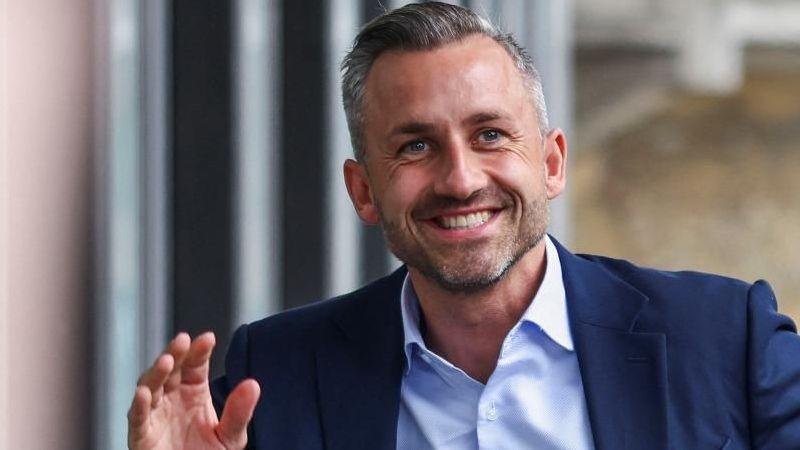
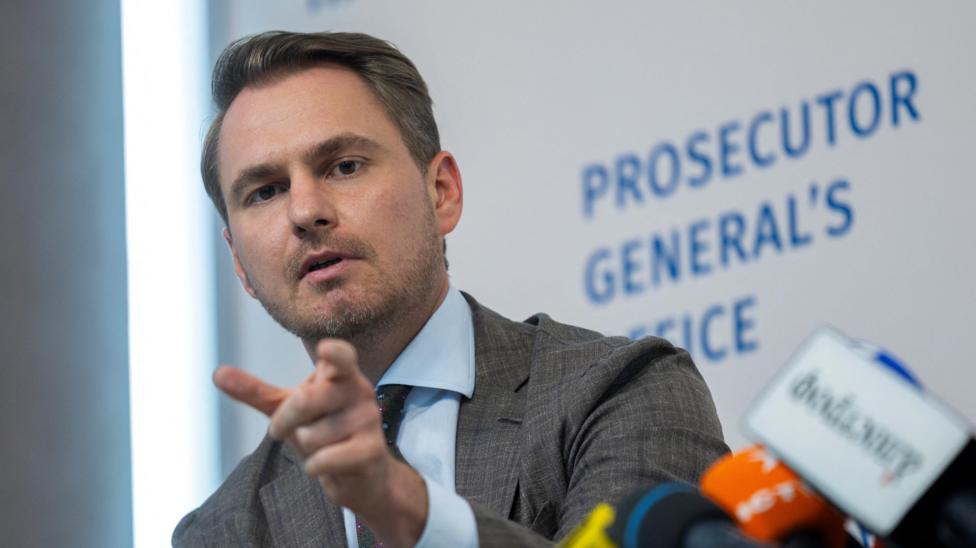
BBC World Service investigators, aided by Ukrainian open‑source sleuths Bohdan Kosokhatko and Vladyslav Chyryk, identified key offenders. Among them Yurii Temerbek, a former Ukrainian traffic policeman who joined the separatists, and Ruslan Yeriomichev—known as “Yermak” inside the prison—both now live freely in Russia and occupy positions outside the justice system.
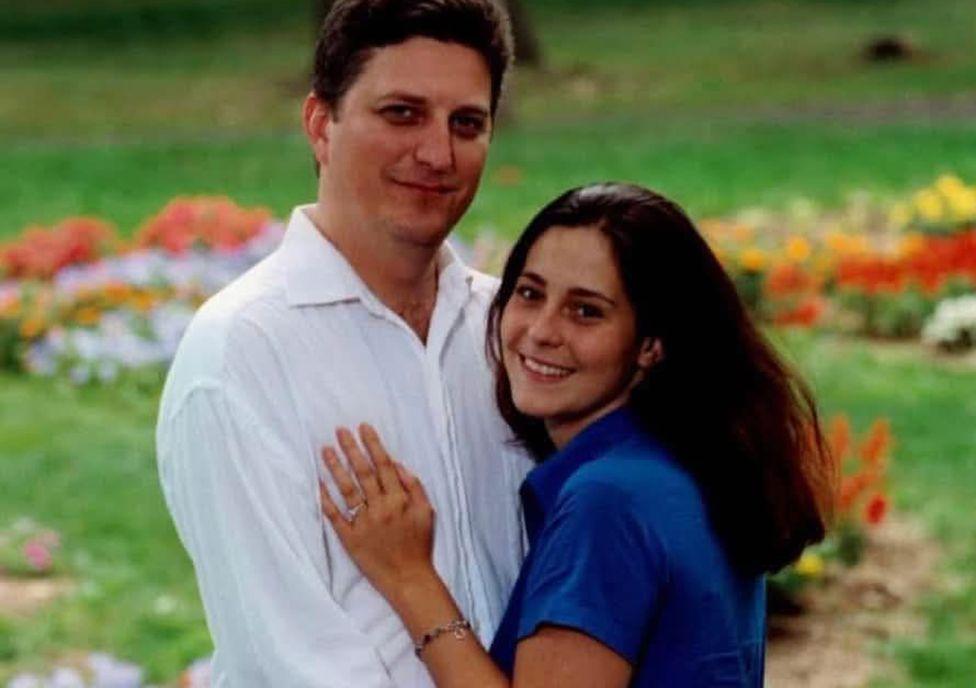
Liudmyla’s story began with a forced car jump in October 2019, followed by a brutal intake that included a staged sex assault and repeated beatings. She survived daily forced standing, constant bright lights, and invasive human‑sized punishments. Sensory trauma persisted after her release in a 2022 prisoner exchange, yet she has become an advocate, founding an organisation to aid other women and secretly mailing aid to still‑detained relatives.
The BBC mapped 93 sites where civilians and POWs were held in occupied Ukraine between 2023 and 2025, and 102 sites in Russia. Ukrainian prosecutors have opened proceedings against dozens, but only a handful have earned prison terms, most from trials conducted in absentia. The website of Izolyatsia, still operational, has been flagged as a hub of documenting sexual violence, with more than 400 cases noted since the 2022 invasion.
Despite attempts to contact Temerbek, Yeriomichev and Spivak—another accused who ran a Kherson detention facility—their responses were muted. Russian official statements claim the allegations are documented and investigated, yet international law bodies continue to warn of widespread violations in the region. Liudmyla insists that justice is not revenge but legal accountability, demanding that those responsible face due punishment.
Surviving the hidden horrors of Izolyatsia, Liudmyla and her fellow detainee Oleksii Sivak—a former sailor who endured electric torture in Kherson—stand now as vocal advocates for transparency and a tribunal that can hold the perpetrators of abuse accountable.