Three Executions Planned as U.S. Death Penalty Surges
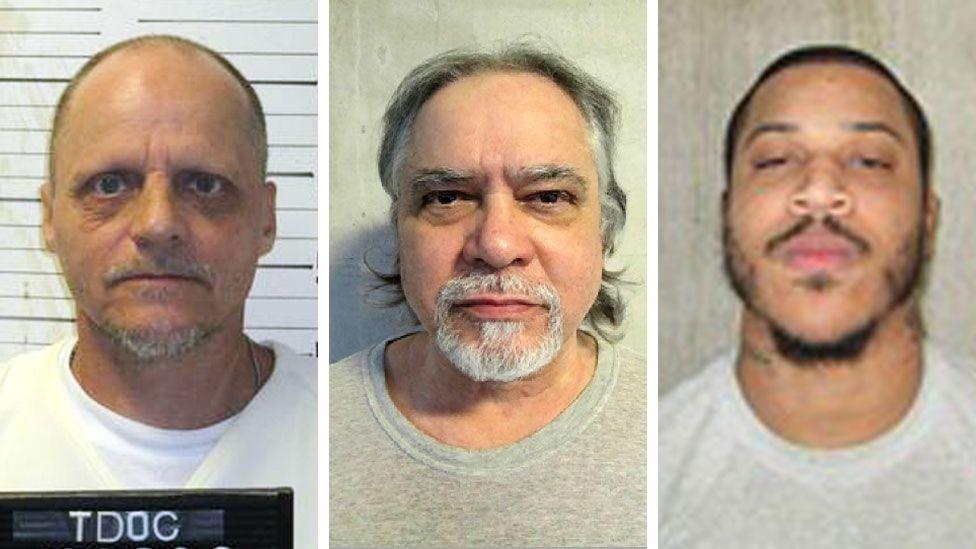
Thursday will see the first triple execution in the United States in 16 years as inmates Anthony Darrell Hines of Tennessee, Jeremy Williams of Alabama and Carlos Cuesta‑Rodriguez of Oklahoma are slated for lethal injection. Hines, 66, has pleaded innocence and is bedridden; Williams, 41, has already dismissed his attorneys and volunteered for death after the murder of a 5‑year‑old; and Rodriguez, 71, has asked for no clemency after killing a woman in 2003.
The move comes amid a dramatic 2025 increase in executions – 47 in 11 states versus 25 in 2024 – with Florida accounting for roughly forty percent of that surge. Governor Ron DeSantis has pushed legislation that lowers the juror threshold for capital sentences, expands the list of capital offences and has accelerated state‑level execution schedules.
President Donald Trump’s 2020 and 2025 executive orders have also reshaped federal policy, ending a two‑decade moratorium and re‑introducing lethal injection protocols. Yet no federal executions have occurred since those orders, and the Department of Justice has lowered barriers for state executions by ensuring drug supplies for lethal injections.
Despite the upswing in executions, public sentiment has reversed sharply. A Gallup poll reports only 52% believe the death penalty is morally acceptable – the lowest since the 1970s – and juries have issued 23 death sentences in 2025, down from more than 300 in the 1990s.
Botched executions continue to fuel debate. In Tennessee, a recent attempt left the inmate in excruciating pain for an hour; in South Carolina, the shortage of lethal‑injection drugs prompted a firing‑squad execution. The three executions scheduled for Thursday will likely be monitored closely by state officials and activists alike.
For more context, read related pieces: “Why has Alabama executed a man using nitrogen gas?” and “US Supreme Court denies Alabama’s request to carry out nitrogen gas execution.”