
In brief
A Ukrainian woman’s harrowing journey through Russia’s clandestine detention camps is exposed. The BBC investigation identifies key perpetrators and the widespread abuse of civilians in occupied Ukraine. While some officials remain free, the Ukrainian justice system has started to build cases against dozens of suspects. The report underscores the urgent need for accountability and protection of human rights in conflict zones.
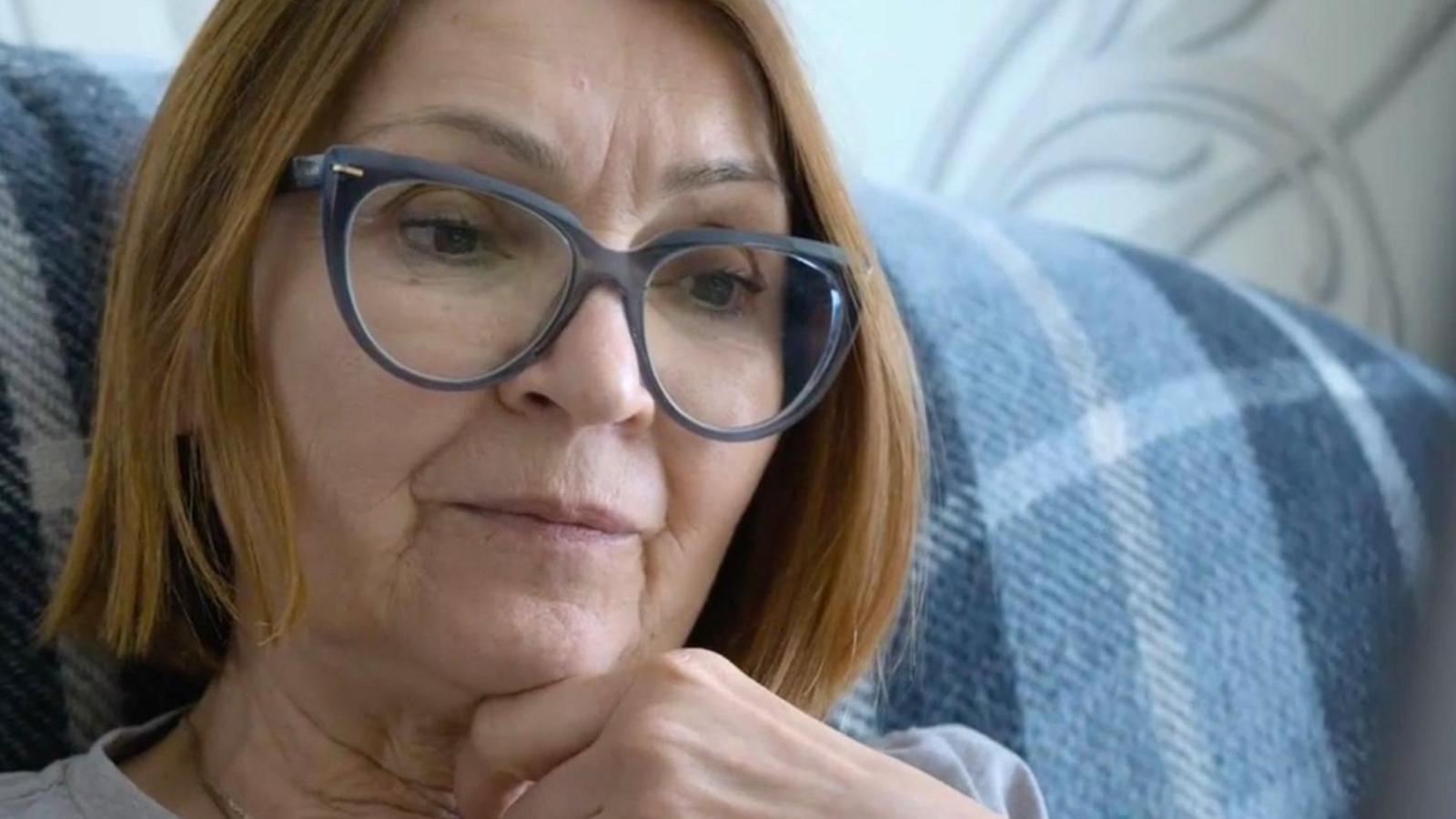
After a quiet life as a safety engineer in Novoazovsk, 64‑year‑old Liudmyla Huseinova was seized by men in a car and taken to the former Izolyatsia art gallery, now a detention centre under Russian‑backed separatists. Over three years, 13 days, she recalls frantic screams, electric shocks, mock executions and the forced consumption of tainted food.
The BBC report reveals that the men who arrested and abused her—especially former traffic policeman Yurii Temerbek—have since returned to ordinary lives in the Rostov region, flaunting their private families and normal routines. Yet the justice system in Kyiv is starting legal proceedings against dozens of alleged torturers, including Temerbek and the illegal guard Yermak, and has sentenced one former head of Izolyatsia to 15 years.
Liudmyla’s testimony, corroborated by open‑source investigators, outlines a network of 195 occupied detention sites, many in makeshift buildings. The UN Office on Human Rights (OHCHR) has described the widespread use of “torture and ill‑treatment” in these facilities, while Russia refuses to acknowledge any wrongdoing.
The investigation also highlights other survivors, such as sailor Oleksii Sivak from Kherson, who endured electric‑current assaults on his genitals. Sivak’s story, alongside Liudmyla’s, illustrates the systemic abuse that has occurred across occupied regions.
Both Liudmyla and Sivak now champion a campaign to hold perpetrators accountable, arguing that justice is not revenge but a legal verdict in the name of all abused civilians. The BBC continues to map these prison systems and support victims’ families in their quest for redress, as Ukraine and the international community push for greater transparency and enforcement of human‑rights law.



