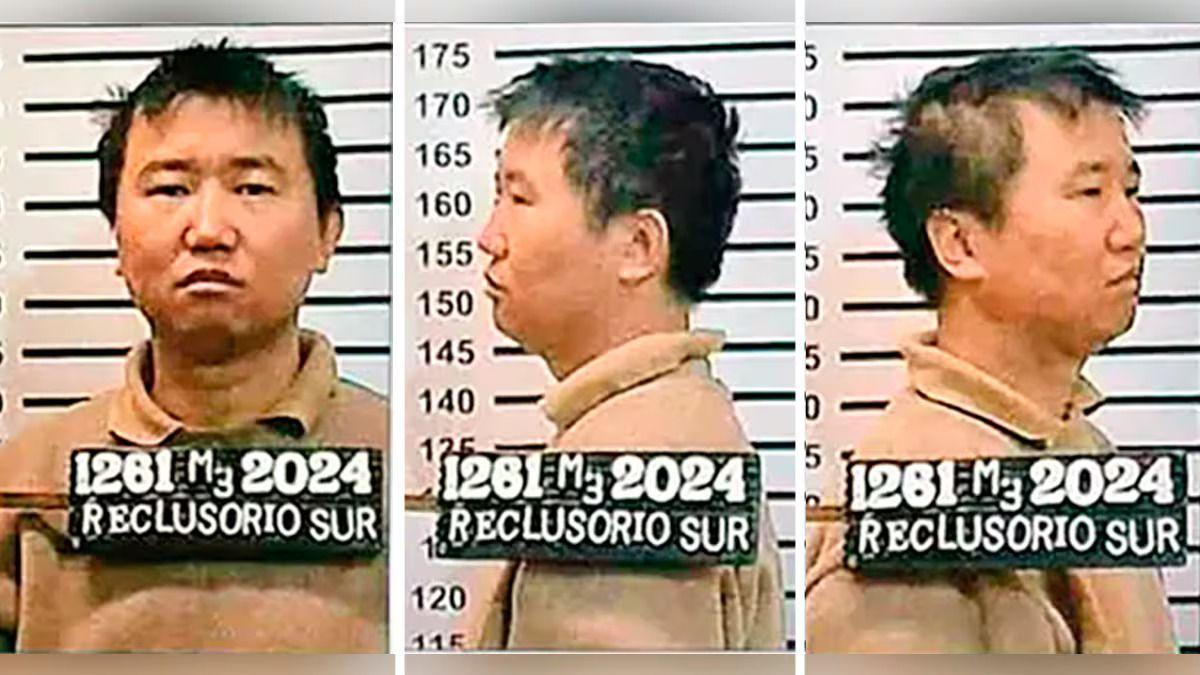
The Chinese graduate accused of being Mexico’s ‘fentanyl king’
A 39‑year‑old Chinese national, Zhang Zhidong, is on trial in the United States, accused of orchestrating a global drug supply chain that linked Chinese chemical factories with Mexican cartels, bringing the fatal opioid fentanyl to U.S. markets.
Fentanyl’s deadly reach
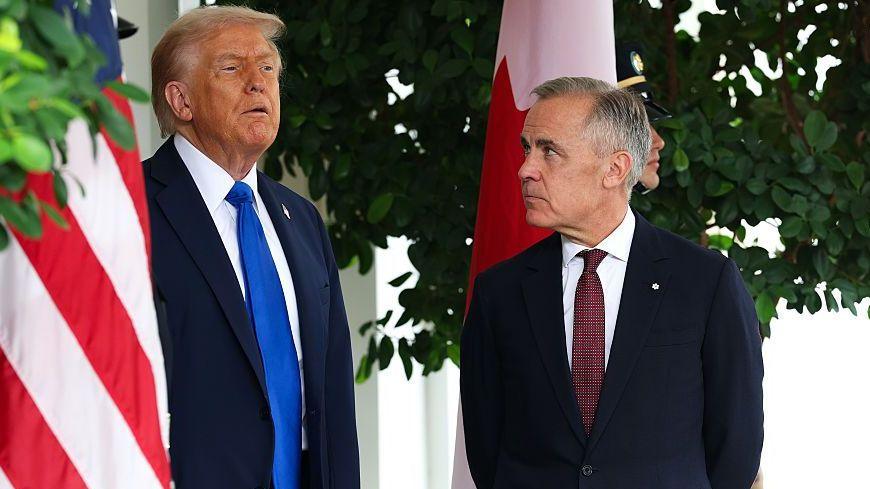
Fentanyl is a synthetic opioid 50 times stronger than heroin. A single grain can kill. In recent years the drug has accounted for tens of thousands of deaths across the United States. U.S. President Donald Trump dubbed fentanyl traders “narco‑terrorists” and treated the trade as a weapon that prompted trade tariffs on China, Mexico and Canada.
Zhang’s rise from miner to broker
Zhang graduated from Peking University in 2010 with a Spanish degree, then moved to Mexico to work for a Chinese‑owned iron‑ore company. Within a year he climbed the corporate ladder and quickly forged relationships with local authorities and the Sinaloa cartel, who control large swathes of Mexican territory.
Cartel insiders say Zhang met the cartel’s leadership through a family connection, gaining access to the group’s inner circle. He allegedly brought over the chemical precursors needed to manufacture fentanyl. Cartel members mention that after Zhang’s introduction, they started preparing illicit labs that produced the drug.
Global network and alleged crimes
According to an indictment by the U.S. Department of Justice, Zhang recruited people to open bank accounts for more than 100 shell companies. He allegedly moved money into these accounts, then wired it to beneficiary accounts overseas to launder proceeds from massive drug trafficking activities. Mexican authorities claim he was responsible for exporting and distributing more than 1,000 kg of cocaine, 1,800 kg of fentanyl and 600 kg of methamphetamine, with annual proceeds exceeding $150 million.
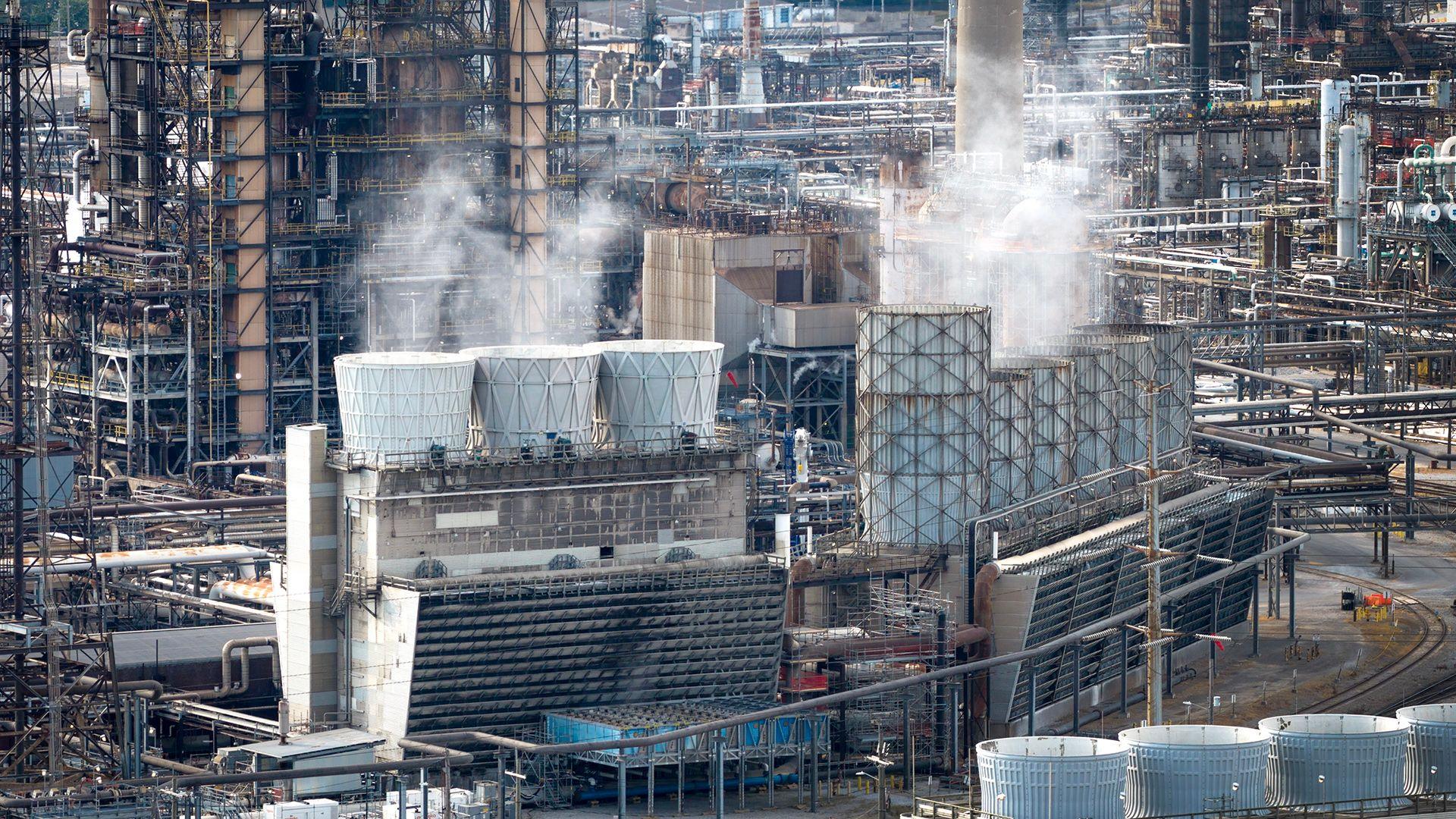
Chinese chemical manufacturers produce the precursor chemicals required for fentanyl production. Despite being a major exporter, oversight in China is described as “insufficiently staffed and equipped.” The Chinese embassy in Washington says China remains one of the world’s toughest counternarcotics partners.
Escape, extradition and trial
Zhang was arrested in Mexico on 31 October 2024. While under house arrest, he escaped through a void in the wall and fled on a private jet to Cuba, then to Russia. Russian officials, however, detected forged documents and returned him to Cuba, where he was handed back to Mexican authorities and subsequently extradited to the United States.
In New York court in 2025, Deputy Attorney General Todd Blanche called Zhang “one of the world’s most dangerous traffickers.” He remains in custody in the United States, having pleaded not guilty and awaiting trial.
Impact on the cartel and ongoing supply chain
Cartel insiders warn that Zhang’s disappearance caused a disruption: without his links to China, the supply of precursor chemicals has fallen. As the U.S. Drug Enforcement Administration noted, the purity of fentanyl declined, “consistent with indicators that many Mexico‑based fentanyl cooks are having difficulty obtaining key precursor chemicals.” Yet cartel members say that while the chain is temporarily affected, they will eventually find new routes or new brokers.
In a recent interview, one cartel coordinator said, “If he’s gone, someone else will step in – the business will not stop.”
Legal and global implications
The case underscores the transnational nature of fentanyl trafficking and the challenges faced by governments in regulating chemical precursors that also serve legitimate industries. Investigators continue to track how the cartel adapts to shifts in the supply chain, underscoring the dynamic and adaptive nature of large drug networks.
Read our live coverage and latest updates on the fentanyl crisis at OnPointInfo.news.