A 20‑Metre Giant Unearthed in Thailand
Palaeontologists in the north‑eastern province of Kalasin have announced the discovery of a new dinosaur species, Uragasaurus kalasinensis. The plant‑eating herbivore lived roughly 150 million years ago, during the Late Jurassic period.
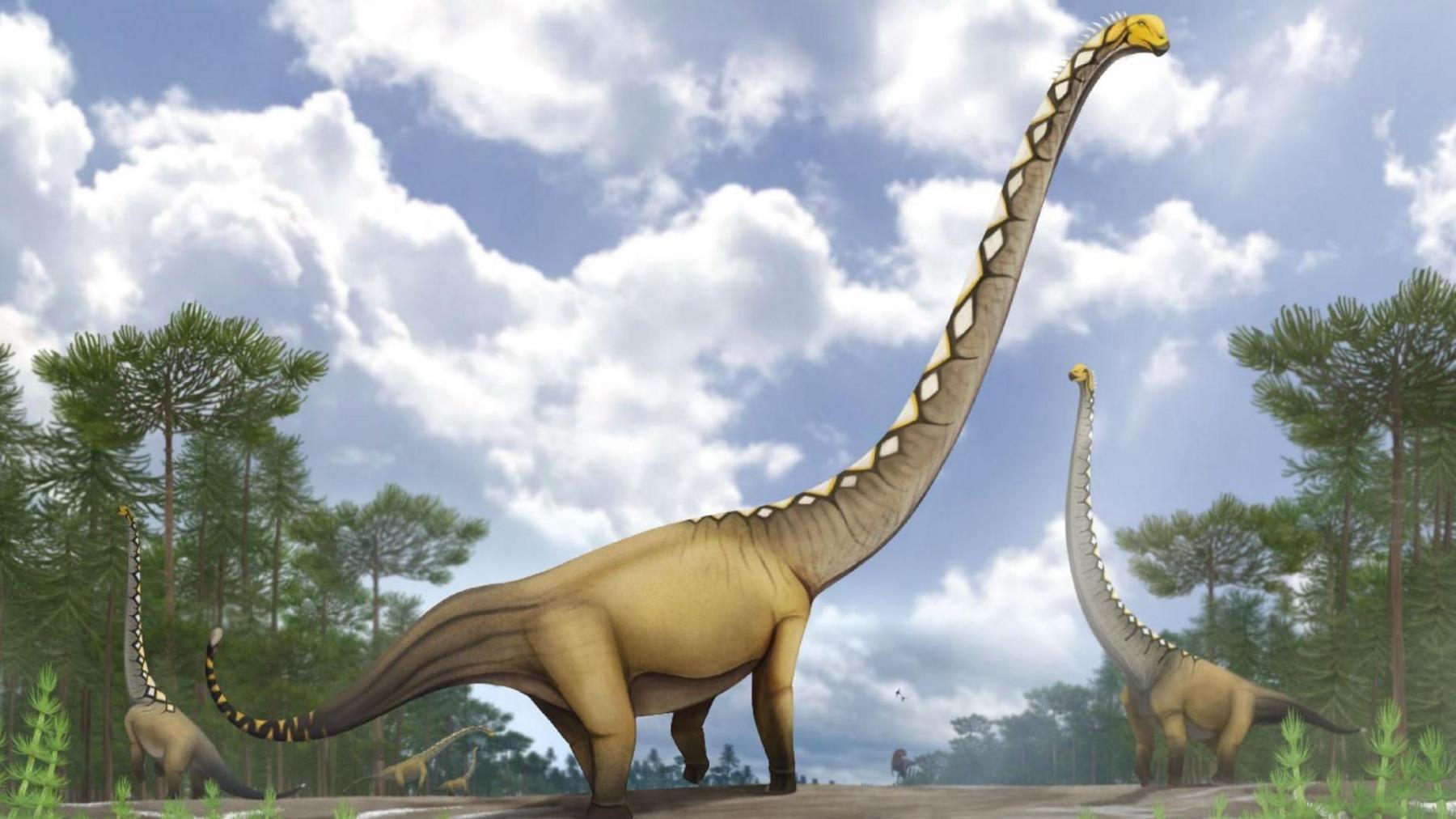
The dinosaur’s most striking feature is its long neck – the specimen’s total length was estimated at about 20 m, roughly the size of a standard cricket pitch. This makes it one of the longest known sauropods.
Researchers first identified the fossil at a site called Phu Noi in 2008, when a local farmer found bone fragments resembling serpent scales. Further excavation revealed a rich deposit of Late Jurassic fossils, with more than 90 % of the recovered material belonging to dinosaurs.
The breakthrough came from a single dorsal vertebra – a bone from the back – that showed a unique Y‑shaped arrangement of laminae (supportive bone plates). A CT scan confirmed that the specimen belonged to the Mamenchisauridae family, a group of long‑necked sauropods previously known only from China.
This marks the first Mamenchisauridae discovery in Thailand and suggests that this region was a significant habitat for giant herbivorous dinosaurs during the Late Jurassic. The research team noted a unique air‑cavity structure in the vertebra, a characteristic not seen in other known species.
The study, published in Nature this week, was led by Dr Apirat Nilphanaphan of Mahasarakham University. He described his excitement about the find: "It is unlike any dinosaur in the world... That’s what sets it apart," he said.
In related news, Thai scientists recently identified another long‑necked dinosaur, the Nagatitan, which dwarfs the new species at 27 m and weighs about 27 tonnes.