Thailand Schools Brace for Response After Fatal Shooter Attack
A 14‑year‑old student in Thailand’s Nonthaburi province turned a school into a quick‑fire battlefield in August, killing eight people and wounding 22 others. The tragic event has become a catalyst for nationwide debate about safety measures in schools and the mental‑health needs of young people.
Police‑Led Drills in Bangkok
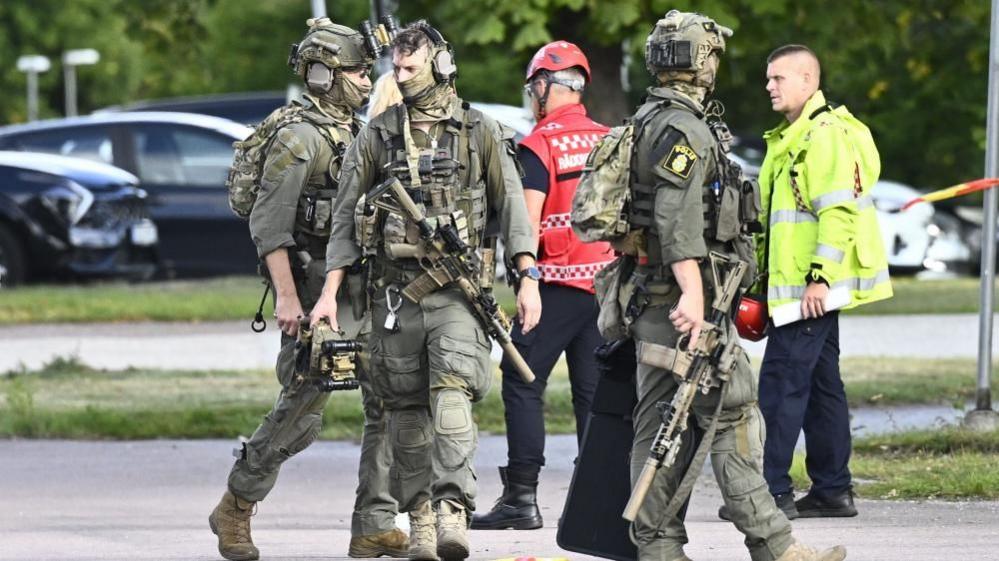
Police officials invited a BBC correspondent to observe a full‑scale shooting drill at a Bangkok high school. The drill was designed to test the school’s emergency response plans, teaching students how to quickly retreat, barricade, and seek medical help when confronted by an armed threat.
During the exercise, the school’s staff enacted realistic alerts such as a sudden siren, improvised barriers, and evacuations to safe zones. Teachers explained that the drill includes a mock “active shooter” scenario where students must identify potential danger and respond in a calm and organized manner.
Reactions from Educators and Parents
While many school officials appreciated the drill’s focus on preparedness, a segment of parents voiced concerns about inducing fear among children. A local teacher noted that “the programme is a step toward protection but it should be paired with counseling services for students.”
Policy Implications and Regional Context
Thailand’s move mirrors similar initiatives in other Southeast Asian nations where school shootings have become an increasing public health issue. Investigators point to the need for a multifaceted approach that combines security protocols with mental‑health outreach.
Officials have promised to review school safety guidelines to ensure that protocols align with international best practice. The next steps include expanding support for at‑risk youth, tightening access to firearms, and enhancing real‑time communication between students and emergency services.
Preparedness is the key, but it must go hand in hand with emotional support and community engagement if schools are to stay secure and nurturing in the face of a new kind of threat.