In brief
The recent shift in regional sentiment has transformed the once-feared “wanted” label into a point of pride among Syrians, symbolizing their resistance against oppression.
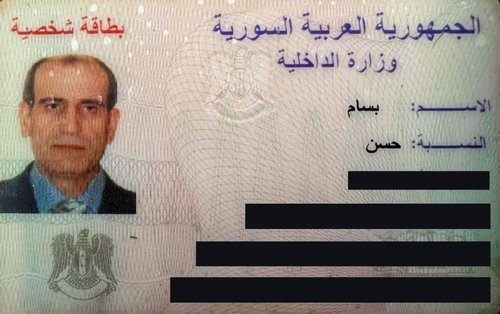
In the changing landscape of post-civil war Syria, the narrative surrounding being "wanted" has dramatically shifted. Those who once lived in fear of the oppressive Assad regime now flaunt their former status as a badge of honor. In Aleppo and Damascus, returning citizens like Kazem Togan, former journalists for opposition media, are routinely asking passport control agents whether their names appear on lists maintained by the old government. Recently, Togan eagerly inquired about his standing only to be informed with a smile that he was indeed "wanted" by the notorious intelligence branch 235. Rather than cowering in shame, Togan expressed excitement, highlighting a newfound cultural attitude: "Today, every Syrian asks as a matter of routine, ‘Was I wanted?’” This shift reflects a broader transformation in society. For over fifty years, Bashar al-Assad and his father operated under a regime that instilled terror in citizens, effectively weaponizing fear surrounding security files. To be “wanted” meant risking arrest or worse, as many faced brutal treatment at the hands of various intelligence departments. However, the tide has changed.Now, it’s common for Syrians to openly discuss their experiences and status, sharing their stories on social media or in conversations. To have once been listed as “wanted” has become synonymous with bravery and an unwillingness to capitulate to oppression. This evolution illustrates how the country's journey from a feared existence under a dictatorial regime is now being marked by resilience, unity, and pride among its people. In the context of Syria's future, these developments signify more than personal triumphs; they reflect a collective healing and a redefinition of identity in the post-war era.