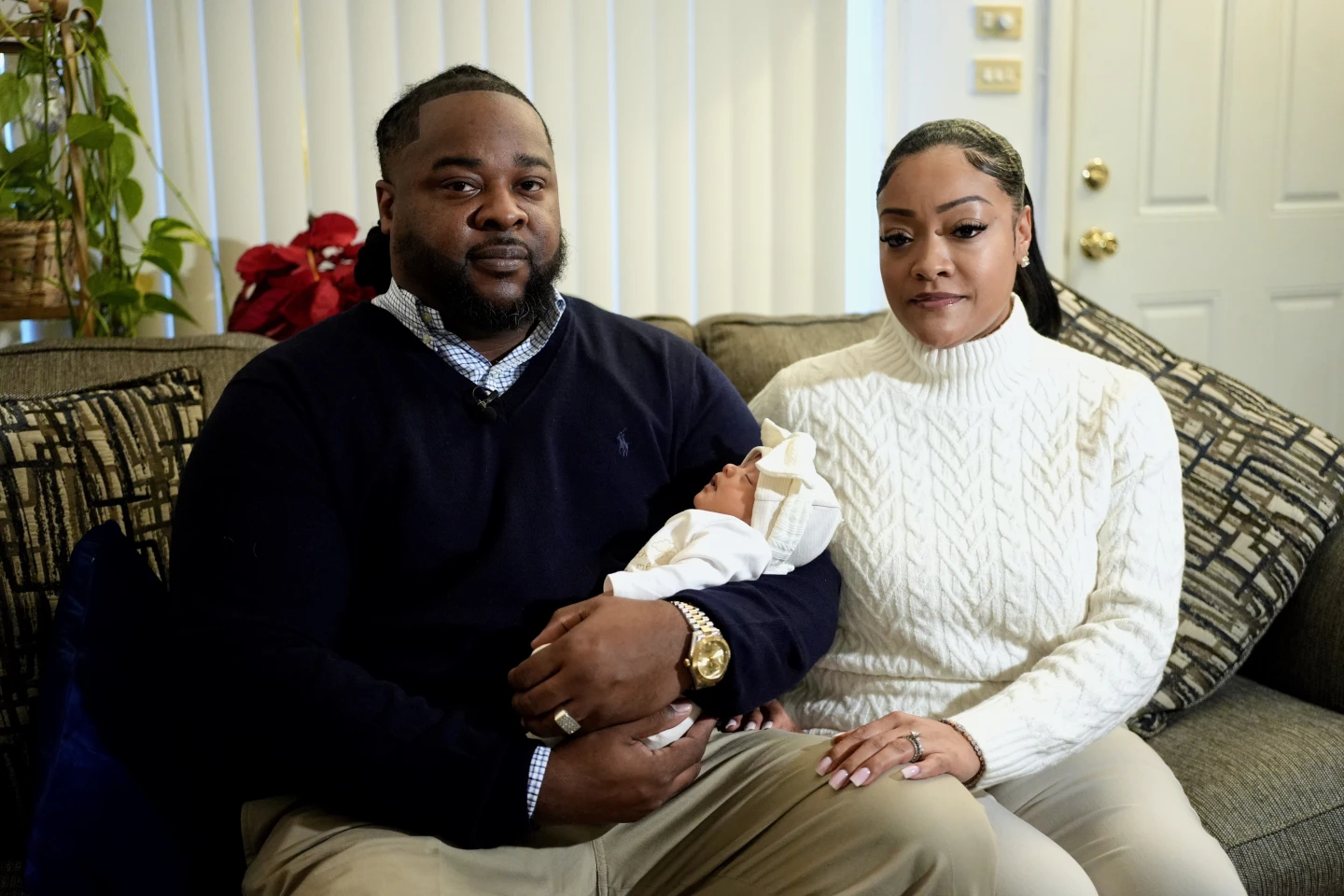
As the holiday season approaches, two pregnant Black women found themselves in dire situations that reflect systemic racism in maternal healthcare. Nearly 1,000 miles apart, Mercedes Wells and Kiara Jones experienced life-threatening complications before giving birth, drawing attention to the alarming disparities in health outcomes for Black women.
A shocking video captured Wells’ ordeal at Indiana's Franciscan Health Crown Point hospital. Despite being in labor, she was discharged and had to deliver her baby on the side of a highway after staff dismissed her pleas for admission. I felt dismissed, ignored, disregarded as a whole, she recounted, emphasizing the lack of empathy from the medical staff.
In Texas, Jones underwent a similar experience at Dallas Regional Medical Center. Although she was in active labor and visibly distressed, she was left in a triage area for over 30 minutes before being moved to a labor room where she ultimately gave birth.
These incidents come at a time when the Centers for Disease Control and Prevention (CDC) reports that Black women face a maternal mortality rate nearly 3.5 times higher than that of white women. While rates for white, Hispanic, and Asian women fell this year, Black women's rates remained largely unchanged, raising concerns among families and civil rights advocates that systemic racism continues to undermine their health.
In response to the crisis, advocates are calling out the need for 'cultural competency training' and a real examination of policies contributing to these health disparities. Texas state Representative Rhetta Bowers highlighted that the public's outrage reflects generational inequities in healthcare that Black families have long endured.
As Wells and Jones navigate the aftermath of their experiences, both women express a deep distrust of the healthcare system. They are now committed to ensuring that they and their loved ones are better prepared when seeking care, calling for medical professionals to show genuine compassion and respect.
The National Black Nurses Association categorically states that these incidents are not isolated; they represent systemic failures in maternal care, underscoring an unapologetic need for immediate reforms to ensure every woman receives the care she needs during labor.
A shocking video captured Wells’ ordeal at Indiana's Franciscan Health Crown Point hospital. Despite being in labor, she was discharged and had to deliver her baby on the side of a highway after staff dismissed her pleas for admission. I felt dismissed, ignored, disregarded as a whole, she recounted, emphasizing the lack of empathy from the medical staff.
In Texas, Jones underwent a similar experience at Dallas Regional Medical Center. Although she was in active labor and visibly distressed, she was left in a triage area for over 30 minutes before being moved to a labor room where she ultimately gave birth.
These incidents come at a time when the Centers for Disease Control and Prevention (CDC) reports that Black women face a maternal mortality rate nearly 3.5 times higher than that of white women. While rates for white, Hispanic, and Asian women fell this year, Black women's rates remained largely unchanged, raising concerns among families and civil rights advocates that systemic racism continues to undermine their health.
In response to the crisis, advocates are calling out the need for 'cultural competency training' and a real examination of policies contributing to these health disparities. Texas state Representative Rhetta Bowers highlighted that the public's outrage reflects generational inequities in healthcare that Black families have long endured.
As Wells and Jones navigate the aftermath of their experiences, both women express a deep distrust of the healthcare system. They are now committed to ensuring that they and their loved ones are better prepared when seeking care, calling for medical professionals to show genuine compassion and respect.
The National Black Nurses Association categorically states that these incidents are not isolated; they represent systemic failures in maternal care, underscoring an unapologetic need for immediate reforms to ensure every woman receives the care she needs during labor.