Suspect’s Pre‑Shooter Routine Revealed in Court
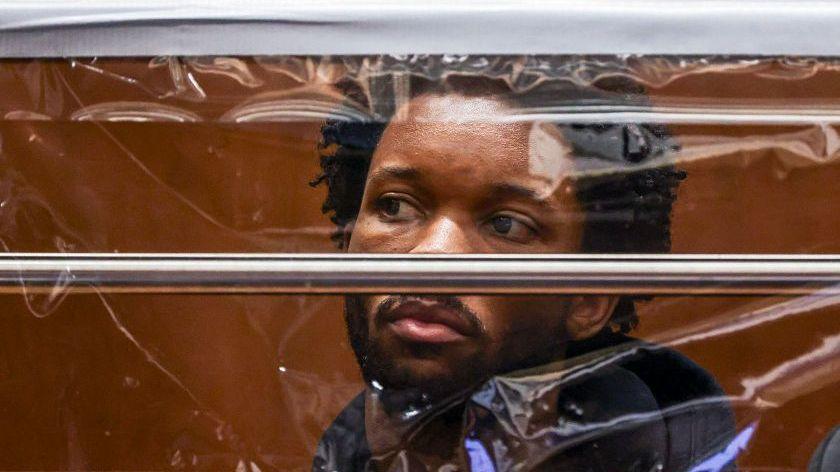
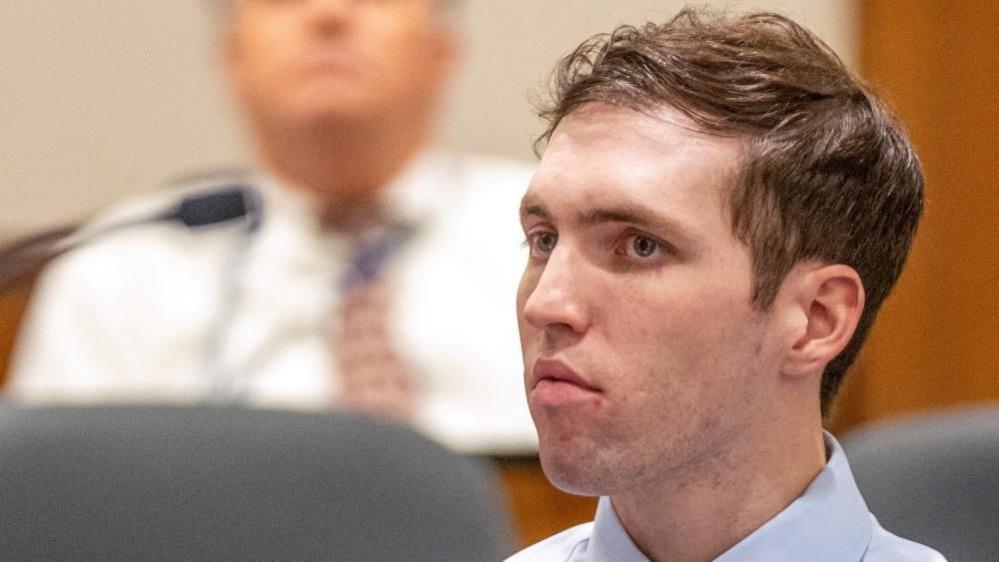
During a preliminary hearing in Utah, prosecutors presented evidence that 23‑year‑old Tyler Robinson spent the day before the fatal shooting of neo‑conservative activist Charlie Kirk calmly walking the Utah Valley University campus, eating at Chick‑fil‑A and approaching members of Kirk’s Turning Point USA organization.
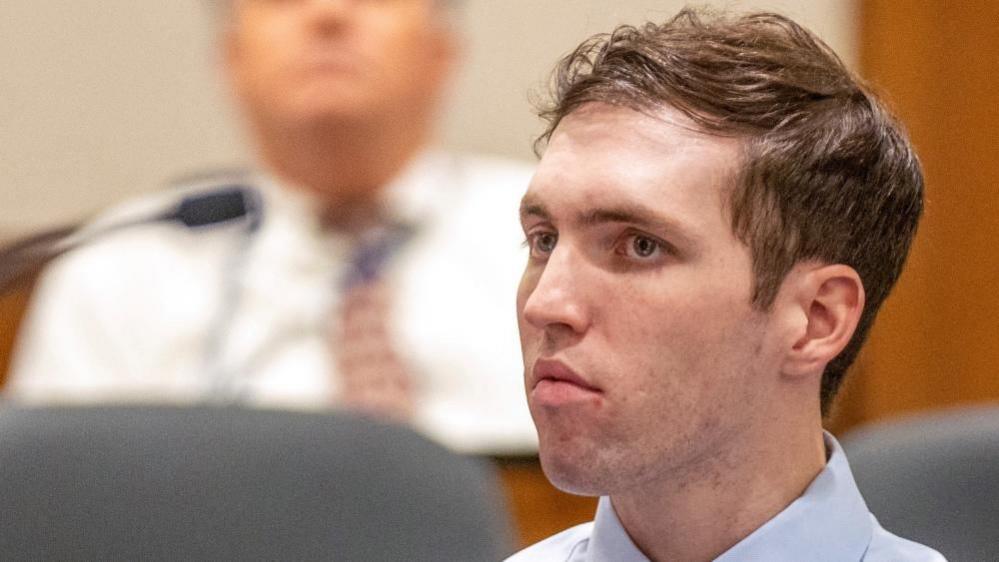
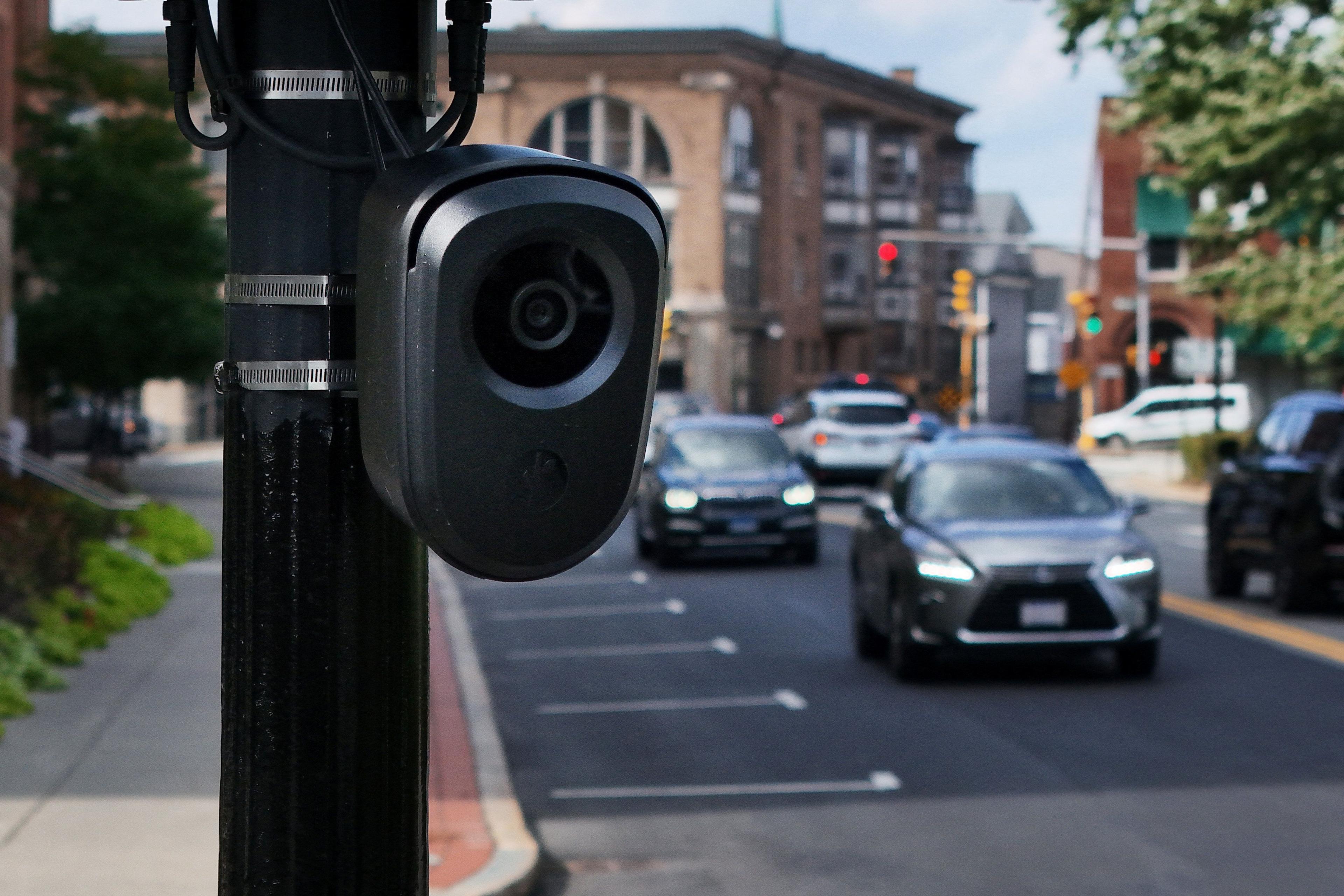
Surveillance footage showed Robinson about four hours before the attack strolling in a T‑shirt, buying a meal, then re‑entering the campus nearly an hour later wearing different clothing and apparently limping. He was seen approaching Turning Point staff, leaving the campus, and later walking to the Losee Building, ascending a railing onto the rooftop.
After the fatal shot, Robinson was seen running over the roof, dropping an unknown object, and fleeing the campus. The same evening he returned, where a police officer briefly confronted him. The officer noted the license plate of a grey Dodge Challenger he drove that had been associated with the suspect.
The defense, led by attorney Kathy Nester, has repeatedly requested that the court exclude posted evidence and demonstrate that the death penalty should not be considered, citing potential flaws in the forensic analysis and arguing that the prosecution must prove motive.
The court heard DNA analysis that matched Robinson to a rifle, screwdriver, and towel found on the scene, as well as to a roommate who cooperated with investigators. However, the defense questioned the chain of custody and potential contamination of the samples.
Judge Graf, presiding over the preliminary hearing, will decide whether the prosecution has amassed sufficient evidence for the case to move forward to a jury trial. The ruling does not determine guilt but establishes the next steps in judicial proceedings.
The case highlights the intensity of contemporary legal and political conflicts surrounding high‑profile violent crimes. The outcome of the preliminary hearing will set the stage for a trial that could address larger discussions about campus security, political dissent, and law‑enforcement tactics.