In brief
Astronomers expect the Geminid meteor shower, one of the year's most impressive celestial events, to peak this weekend. With clear skies and minimal moonlight in the Northern Hemisphere, stargazers could witness upwards of 100 meteors per hour. However, the weather may pose challenges, particularly in the UK where cloudiness and wind could obstruct views. Tips for optimal viewing conditions are provided.
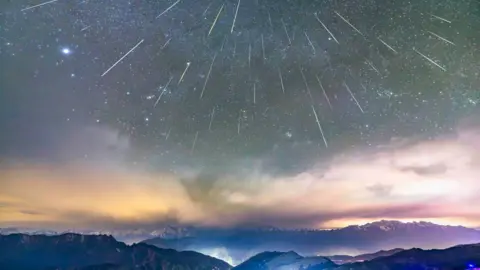
The Geminid meteor shower - one of the most spectacular in the celestial calendar - is set to peak this weekend and astronomers say conditions could make for an especially striking show if weather permits.
The meteors are visible all over the world, though people in the Northern Hemisphere will get the best views.
In the UK, if the skies are clear, a waning crescent Moon will only rise after midnight, providing several hours of dark skies to see the meteors more clearly.
Here's the science behind the Geminids and how to get the best chance of seeing them.
What is the Geminid meteor shower?
We get treated to meteor showers when Earth passes through the trails of comets or, in rarer cases like the Geminids, from asteroids. The Geminids come from the remnants of an asteroid called 3200 Phaethon.
When dust and gases from these objects enter our atmosphere, they burn up and create bright streaks known as shooting stars. While most meteors appear white, some can glow green, yellow, red, or blue depending on the elements present during combustion.
This year, the Geminids could deliver an extraordinary display of around 100 meteors per hour, particularly if the weather cooperates.
Will moonlight spoil the show this year?
Bright moonlight can hinder visibility, but this year’s crescent Moon is expected to be mostly obscured after midnight, allowing for dark skies in which to view the meteors.
Tips for night-sky enthusiasts
The Geminids are a naked-eye event best enjoyed under dark, open skies. No telescopes or binoculars needed!
What will the weather be like for the Geminids peak?
The peak of the Geminids falls on Sunday, 14 December. Unfortunately, forecasts suggest that cloudy and windy conditions may impede viewing in the UK. However, there may be breaks in the overcast, especially in Northern Scotland and parts of southeast England.
For optimal viewing, choose a location free from light pollution and enjoy the celestial show!