
In brief
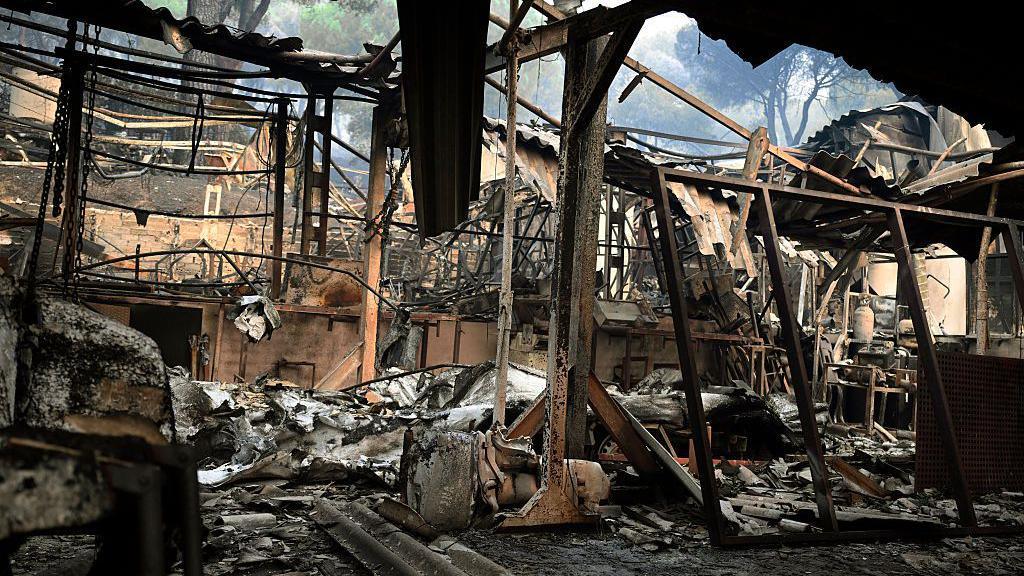
In the past week Spanish firefighters have fought a chain of wildfires that have forced more than 90,000 people to evacuate and forced emergency lockdowns across several regions. The fires, concentrated mainly around Madrid, Ávila, Toledo and Valencia have been intensified by a new heatwave that is forecast to push temperatures to 40°C, placing the country in an extreme fire danger state. High‑profile leaders, including Madrid’s governor Isabel Diaz‑Ayuso and Prime Minister Pedro Sánchez, have declared the affected areas as disaster zones and urged coordinated national action to control the blaze. The country’s state meteorological agency, Aemet, warns that harsh weather conditions will hamper firefighting efforts as the crisis continues to unfold.
Spain’s countryside is in the grip of a series of massive wildfires that have forced more than 90,000 residents to flee their homes, while the nation braces for an intense heatwave that threatens to inflame the blaze further.
The first deadly blaze erupted a week ago in the Madrid region, where firefighters have been battling the flames for days. The region is now under a red weather warning, with temperatures expected to hit 35°C in the mountains and 38°C elsewhere.
High‑profile authorities have stepped in. Madrid governor Isabel Diaz Ayuso described the situation as “a hell of a situation” as she toured the affected area. Prime Minister Pedro Sanchez declared the zone a disaster area, calling for united national action against the “climate emergency.”
The Spanish state meteorological agency, Aemet, warned that the fire danger level would rise to extreme levels, hindering the work of firefighters. As temperatures climb toward 40°C, the risk of new blazes is increasing, especially in the western parts of Madrid near San Martín de Valdeiglesias, Almorox and Burgohondo.
In total, over 56,500 people have been evacuated in Madrid alone, and 27,797 residents are still ordered to stay at home. Further evacuations have taken place in nearby provinces such as Ávila, Toledo and Valencia. More than 90,000 people have now been displaced across the country, according to the latest figures.
Interior Minister Fernando Grande‑Marlaska flew in to assess the situation, reporting that progress had been made in the previous night and that firefighting teams had “relatively positive progress” while acknowledging harsh weather conditions.
Official estimates show that nearly 77,000 hectares (190,000 acres) of Spanish land have been affected by the fires. The largest blaze in Ávila, which has devoured over 50,000 hectares of forest, was noted as the biggest in the country’s recent history. The fire situation there remains active but is slowly stabilising under large‑scale surveillance and cooling efforts.
Meanwhile, across the border in Portugal, firefighters are tackling a large fire in the eastern Guarda region, demonstrating the regional scale of the crisis.
As the heatwave is forecast to last at least until Sunday, governments have urged the public to stay alert, with most evacuees still in shelter centres and many communities on high alert as they continue to fight the flames in an effort to bring the situation under control.
