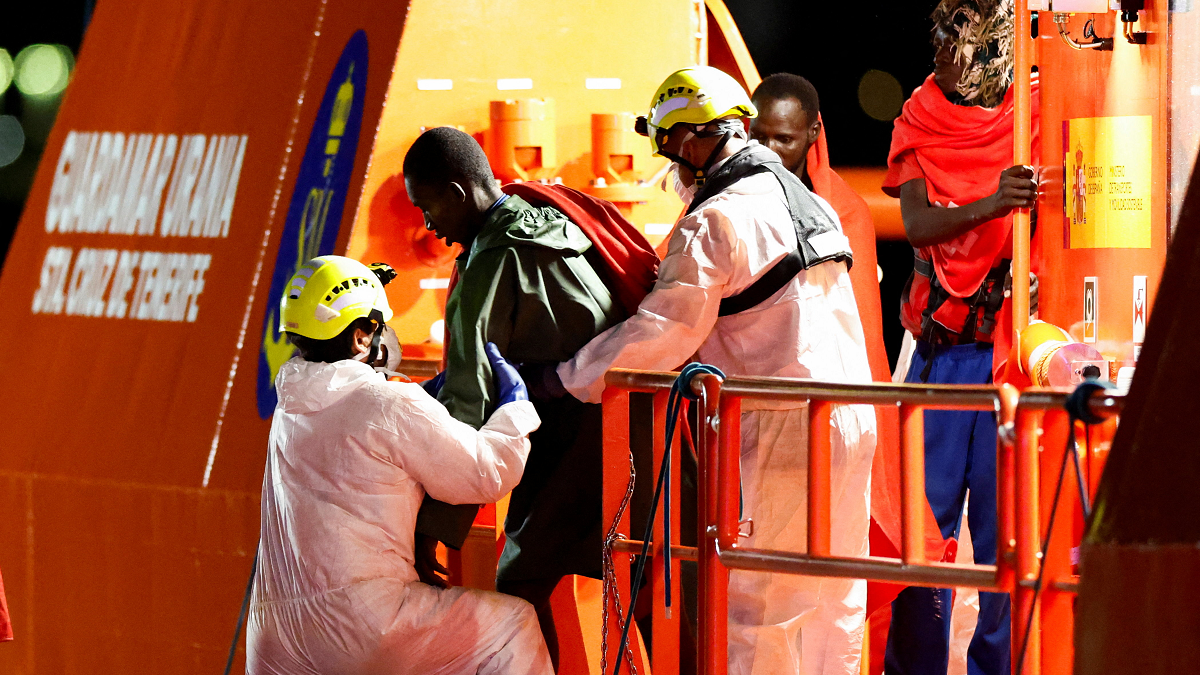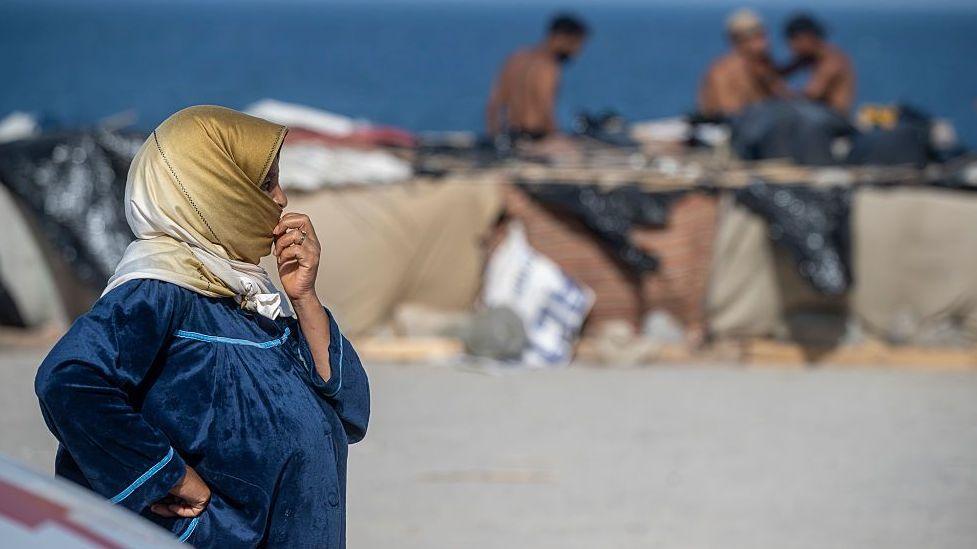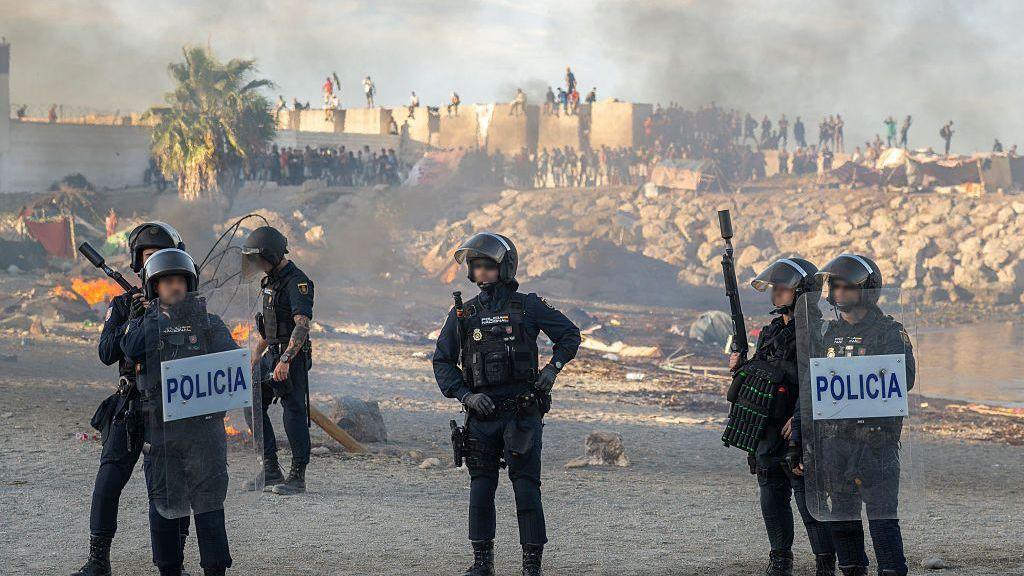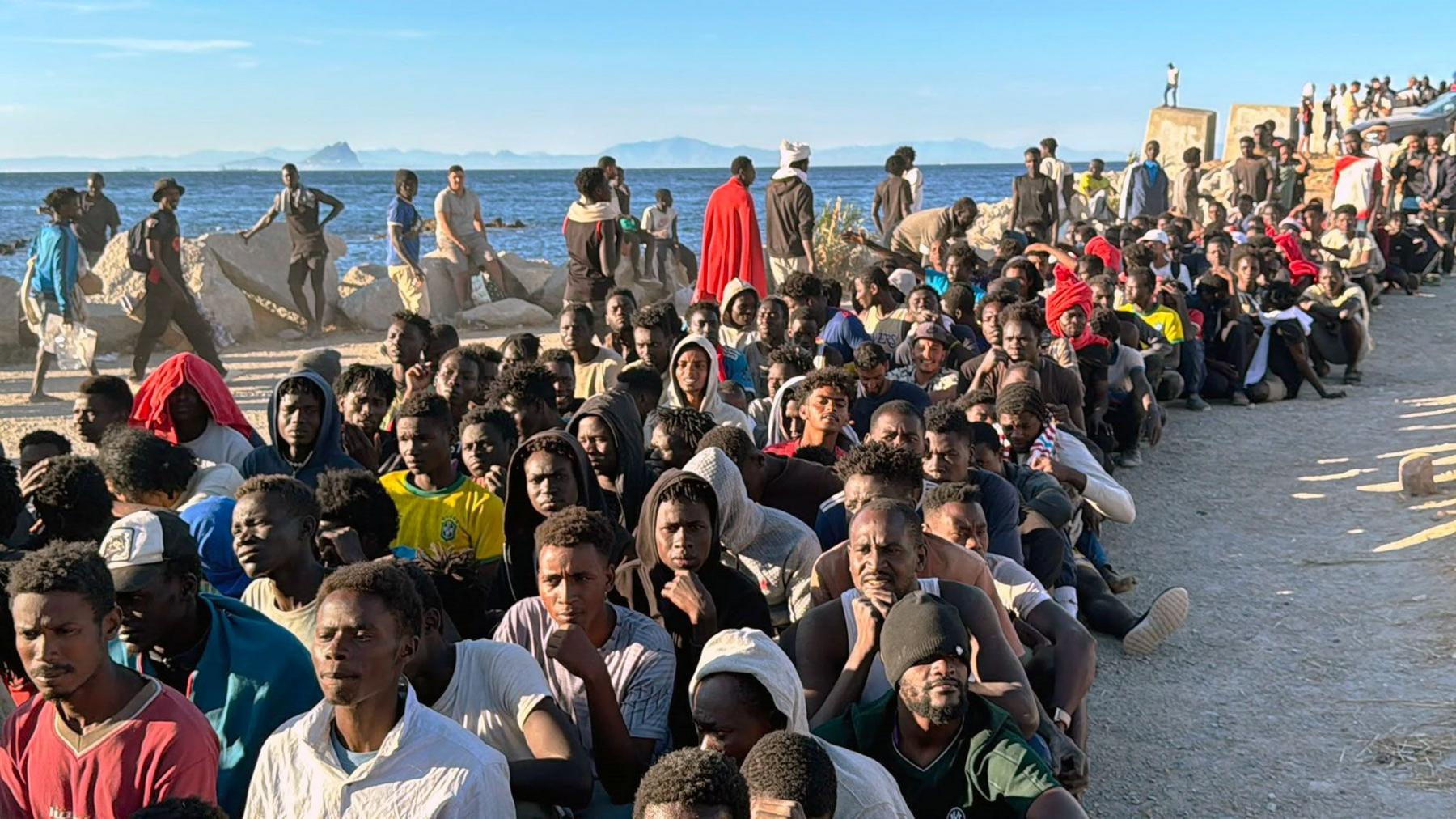
A sudden influx of 78,000 migrants from Morocco flooded the Spanish exclave of Ceuta between 30 July and 1 August, a short period that saw estimates of 100 casualties. The surge prompted Italy to reverse its longstanding Schengen border‑free policy with Spain, closing maritime and air ports and reinforcing land checks to prevent the migrants from moving into Italy.
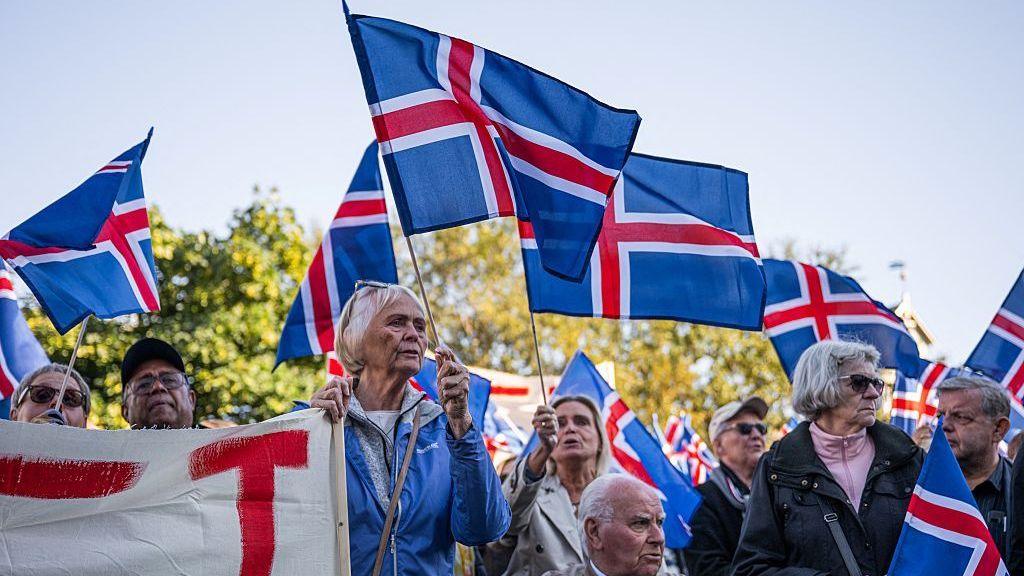
On 9 August Madrid issued an ultimatum, describing Italy’s move as "unjustified" and "discriminatory" against Spanish citizens. It warned that should Rome not reverse its decision by that date, Spain would implement “proportionate” counter‑measures to protect the interests and dignity of its people, though it didn’t disclose the precise form those measures would take.
Italian officials rebuffed the threat, refusing to accept any ultimatum and announcing that border controls would remain in place until at least 15 August. Rome also cited a predicted surge of new migrants heading for Ceuta as justification for the continued restrictions.
The clash comes against a backdrop of long‑standing disputes over Ceuta and the neighbouring enclave of Melilla, which Morocco does not recognise as Spanish territory. Recent Supreme Court rulings in Spain have curtailed the ability to send migrants who are stalling at sea back to Morocco, further complicating the situation.
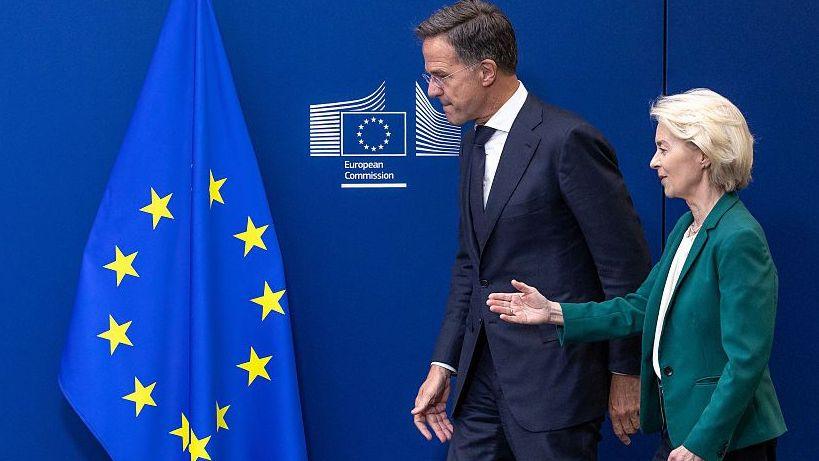
The crisis has drawn criticism from several EU members. Finland and Denmark backed Italy’s decision to suspend Schengen cooperation, while the Czech Republic called for Spain’s temporary suspension of EU membership. EU migration commissioner Magnus Brunner has accused criminal networks of spreading disinformation that led to the crossings, a claim taken up by Spain’s authorities.
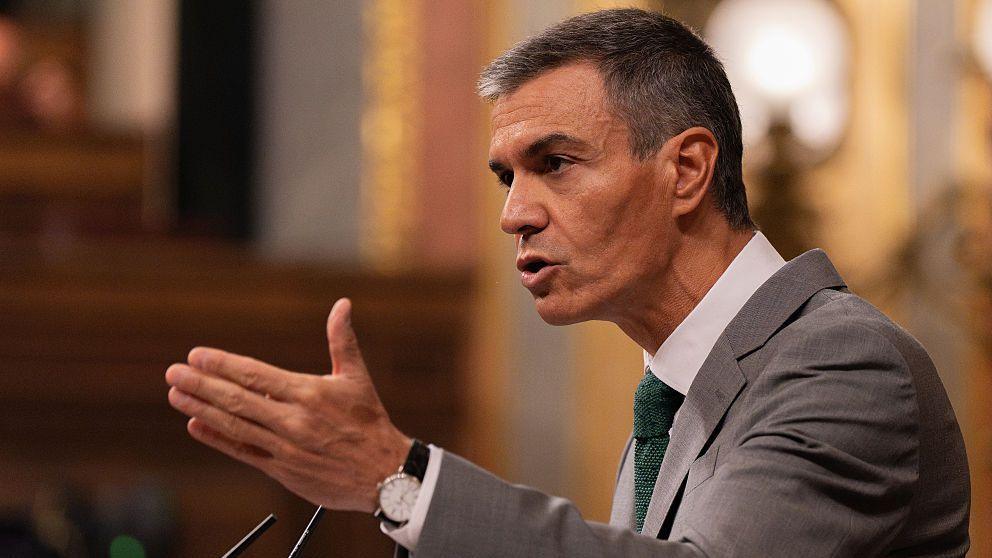
Politically, the incident has tested relations between Spain’s social‑democratic prime minister Pedro Sanchez and Italy’s centre‑right leader Giorgia Meloni, who has long demanded stricter migration controls across the EU. Migration remains a hot‑button issue for both governments, especially in light of the sharp rise in migrant arrivals over the summer.
Health and humanitarian providers have reported that many of the 1,400 minors still stranded in Ceuta after the crossings are being processed in safety‑first priority. Spain’s Youth Minister Sira Rego emphasized that the system is now under control, though the procedural burden remains high.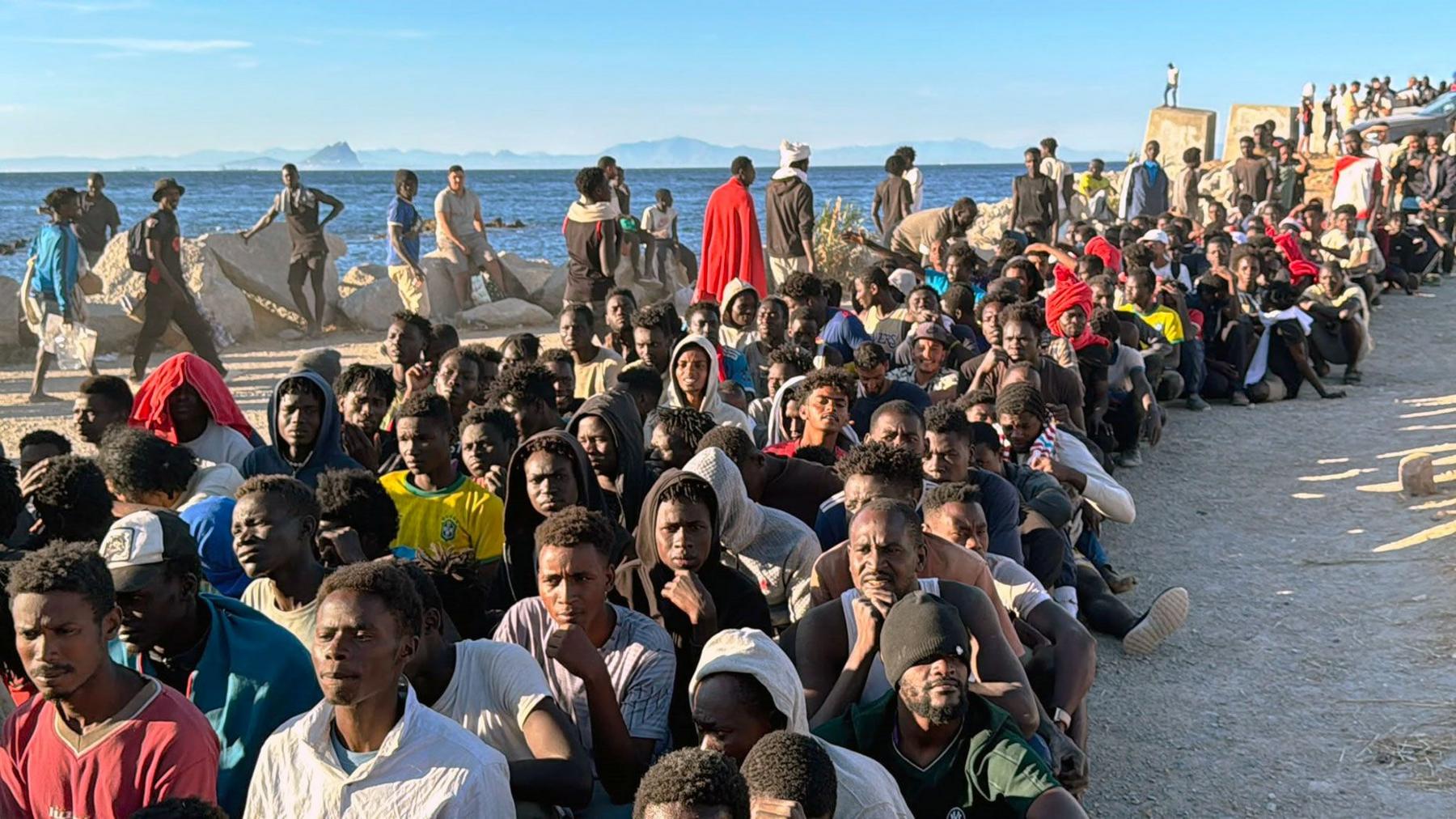
The unfolding diplomatic standoff illustrates the fragility of EU border policies and the geopolitical leverage of regional actors. How Spain and Italy navigate this crisis will likely influence future discussions on the Schengen area’s infrastructure and the EU’s approach to migration management.