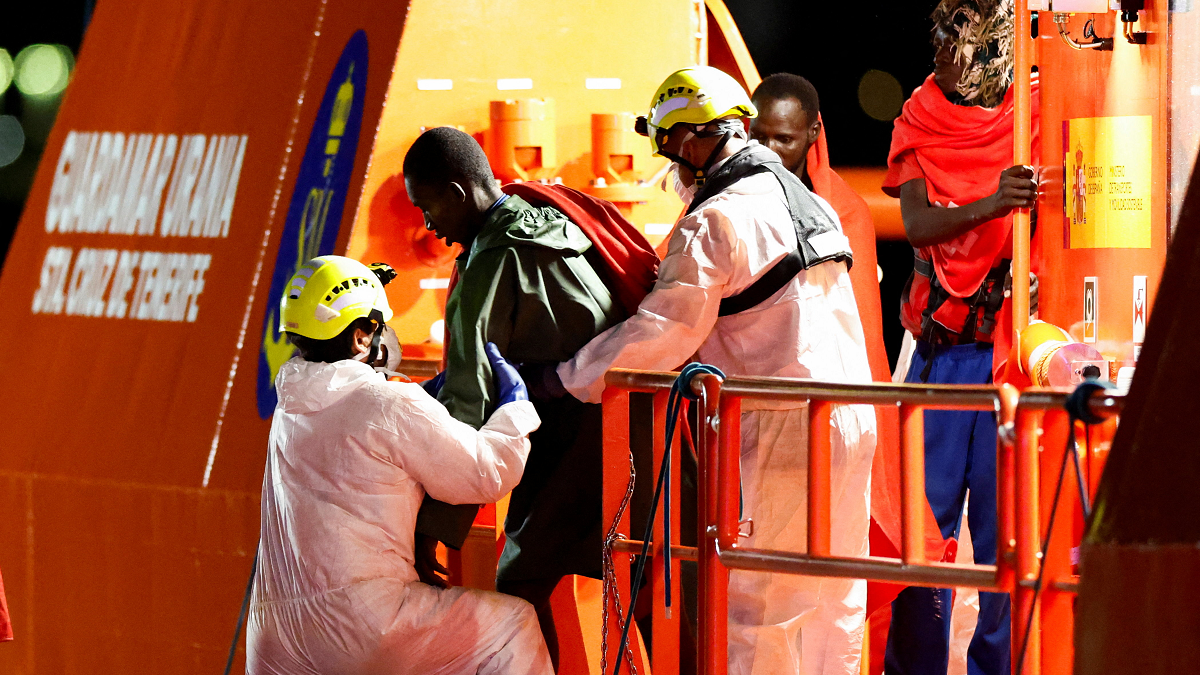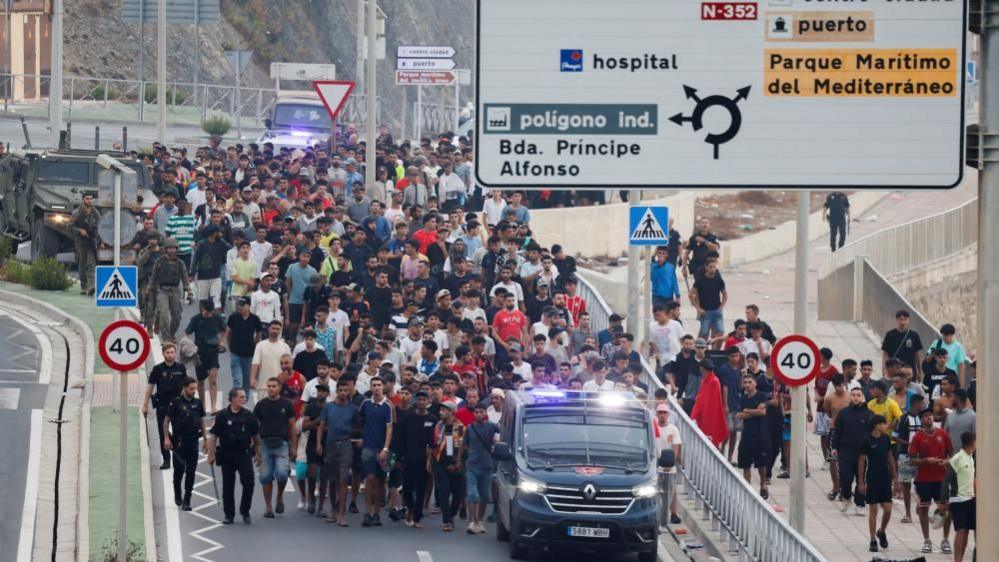
The Spanish government slammed the reaction of some EU member states to a massive migrant influx through the northern enclave of Ceuta as “selfish, polarising and unlawful”. The attack followed a surge of around 60,000 people arriving from Morocco on 30 July.
Chief of Police Mario Palma said the border had been re‑secured within 48 hours, with the Spanish armed forces, police and drones involved in escorting the migrants back to stable areas and preventing any unauthorized movement into the European continent.
The event prompted Italian Prime Minister Giorgia Meloni to temporarily suspend Spain’s participation in the Schengen corridor, a move that Finland, Denmark and Czechia echoed. The Italian decision sparked a diplomatic row with Madrid, which summoned the Italian ambassador and urged Brussels to adopt “European solidarity” rather than partisan rhetoric.
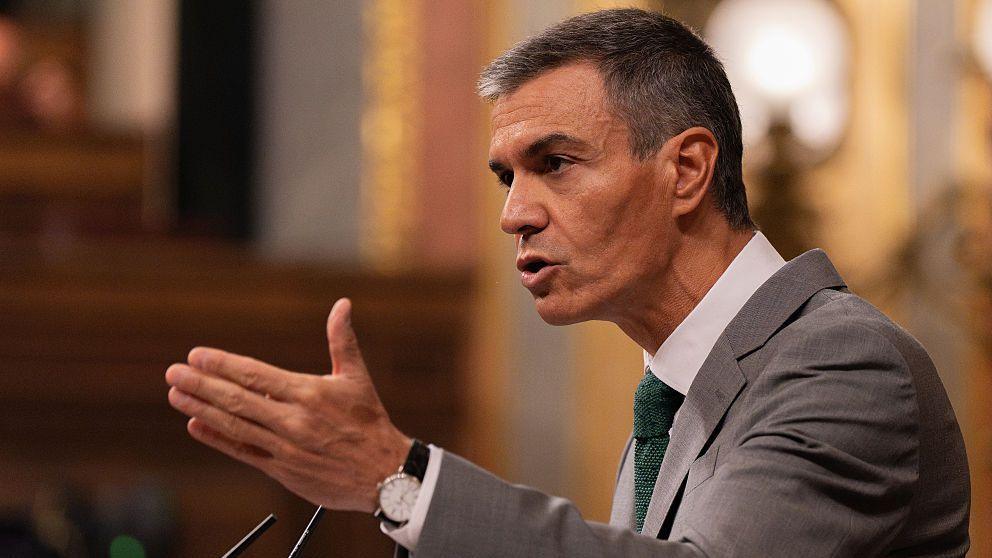
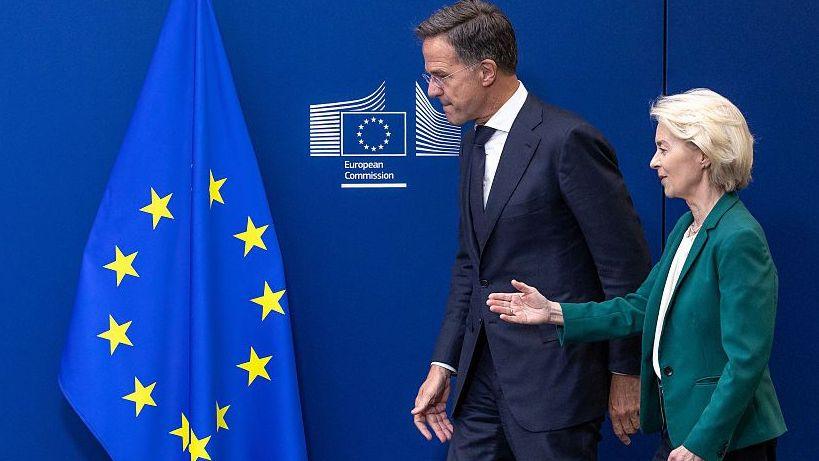
In a letter to European Commission President Ursula von der Leyen, Spanish Prime Minister Pedro Sánchez expressed “serious concern” about the reactions of some governments, labeling them as driven by prejudice, fake news or political interest. “The European Union cannot afford this kind of selfish, polarising and unlawful reaction,” he stated.
With Ceuta not part of the Schengen area, Spain has repeatedly assured the EU that no migrant crossed into mainland Europe. The Spanish interior ministry matched its defence response with diplomatic messaging, insisting that the operation was about safeguarding territorial integrity and ensuring orderly deployment of capital for the enforcement officers.
The crisis also highlighted a broader debate on migration policy. Spain and Italy have faced criticism for their approach to legalising undocumented migrants—Spain approved a plan to give legal status to 500,000 migrants, while Italy pressed for tighter controls and stricter enforcement measures. The Supreme Court of Spain has ruled that migrants stopped at sea cannot be summarily repatriated to Morocco without due process.
The episode underscores the unique position of Ceuta and its twin enclave Melilla as the only EU land borders with Africa; migrants can reach them by swimming several kilometres across the Mediterranean. The region’s strategic importance has made it a focal point for migration attempts, fundraising through social media‐driven swarming events.
The Spanish government remains committed to policing the border and cooperating with Moroccan authorities, while lawmakers urge the European Parliament to adopt comprehensive and humane migration solutions. For now, the political fallout continues to shape the discourse on EU law, sovereignty and humanitarian commitments.