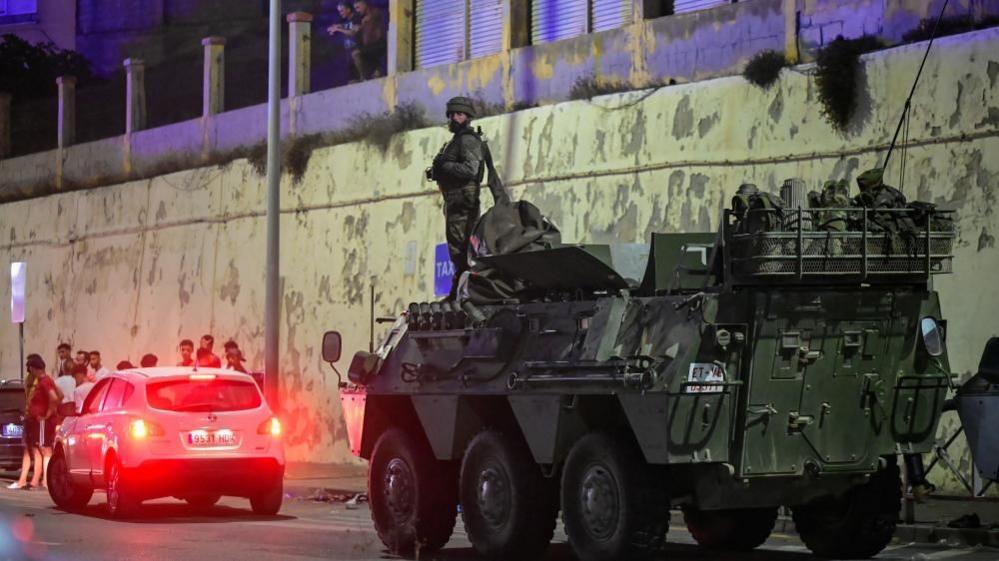
Spain Moves Troops to Ceuta Ahead of Tight Border Controls
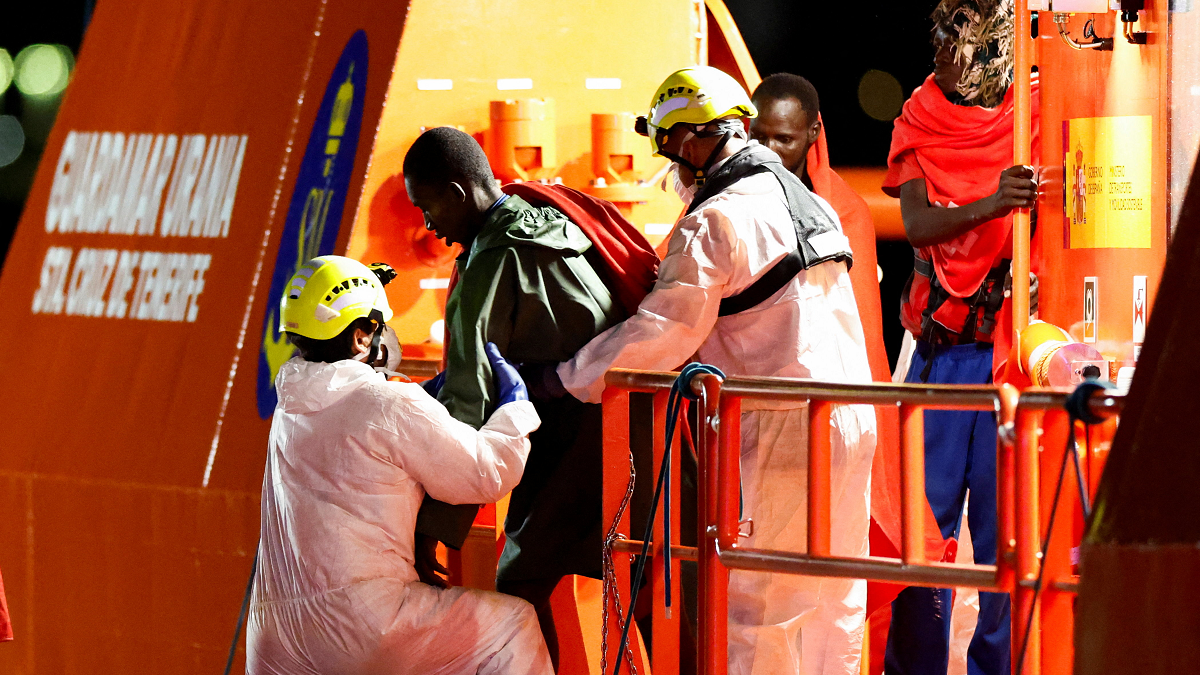
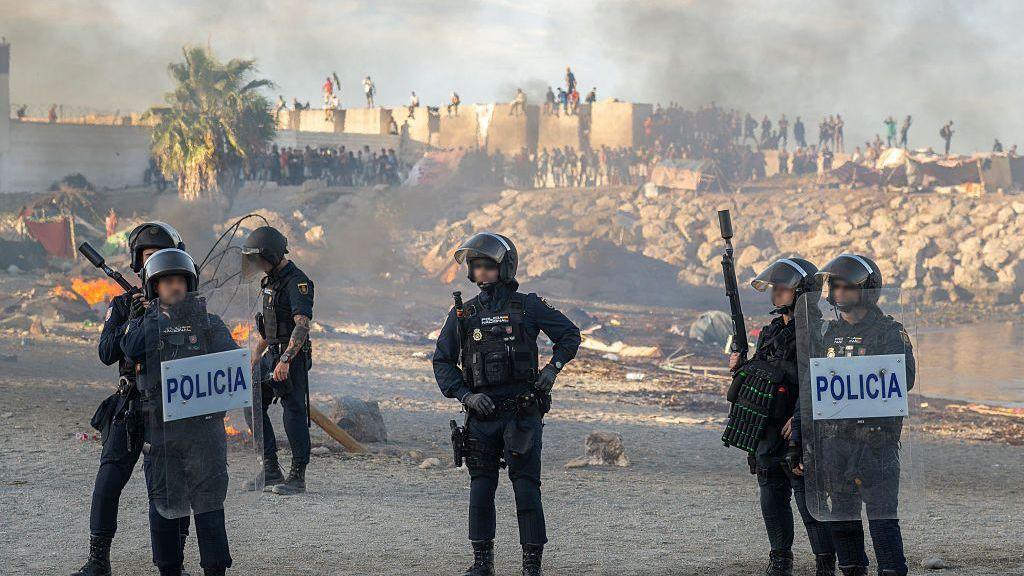
Thursday’s mass crossing saw thousands of people slide down concrete embankments, jump into the Mediterranean, and swim around the jetty that marks Spain’s northern enclave of Ceuta. Reports from local authorities put the number of entrants at between 2,000 and 3,000, though the Guardia Civil has yet to confirm the figure.
The chaotic scene left at least 15 people dead in the waters. Video footage shows beaches strewn with rubber life‑vests and swimming gear as some migrants celebrated their arrival while others drowned.
In response, the Spanish interior ministry announced that troops would reinforce the Civil Guard in Ceuta, citing a recent Supreme Court ruling that migrants who jump the border cannot be summary‑returned to Morocco. The ministry also accused human‑traffic networks of exploiting the situation to push more people across.
Ceuta, situated on Morocco’s northern coast and separated from mainland Spain by the Strait of Gibraltar, remains Spain’s only land border with Africa. Historically a focal point for migrant flows to Europe, the enclave now finds itself under heightened scrutiny as the number of crossings rises.
Geopolitical Reverberations
The border breach has not gone unnoticed by European leaders. Italian Prime Minister Giorgia Meloni tweeted that the images from Ceuta were “striking” and warned that uncontrolled illegal migration could threaten the security of Schengen borders. She has hinted at suspending open‑border agreements with Spain if the situation does not improve.
Spanish Foreign Minister Jose Luis Albares has slammed the remarks as political demagoguery, insisting that the EU partner should not weaponise migration concerns. The dispute highlights the challenges of securing Spain’s African enclaves while maintaining solidarity across the EU.
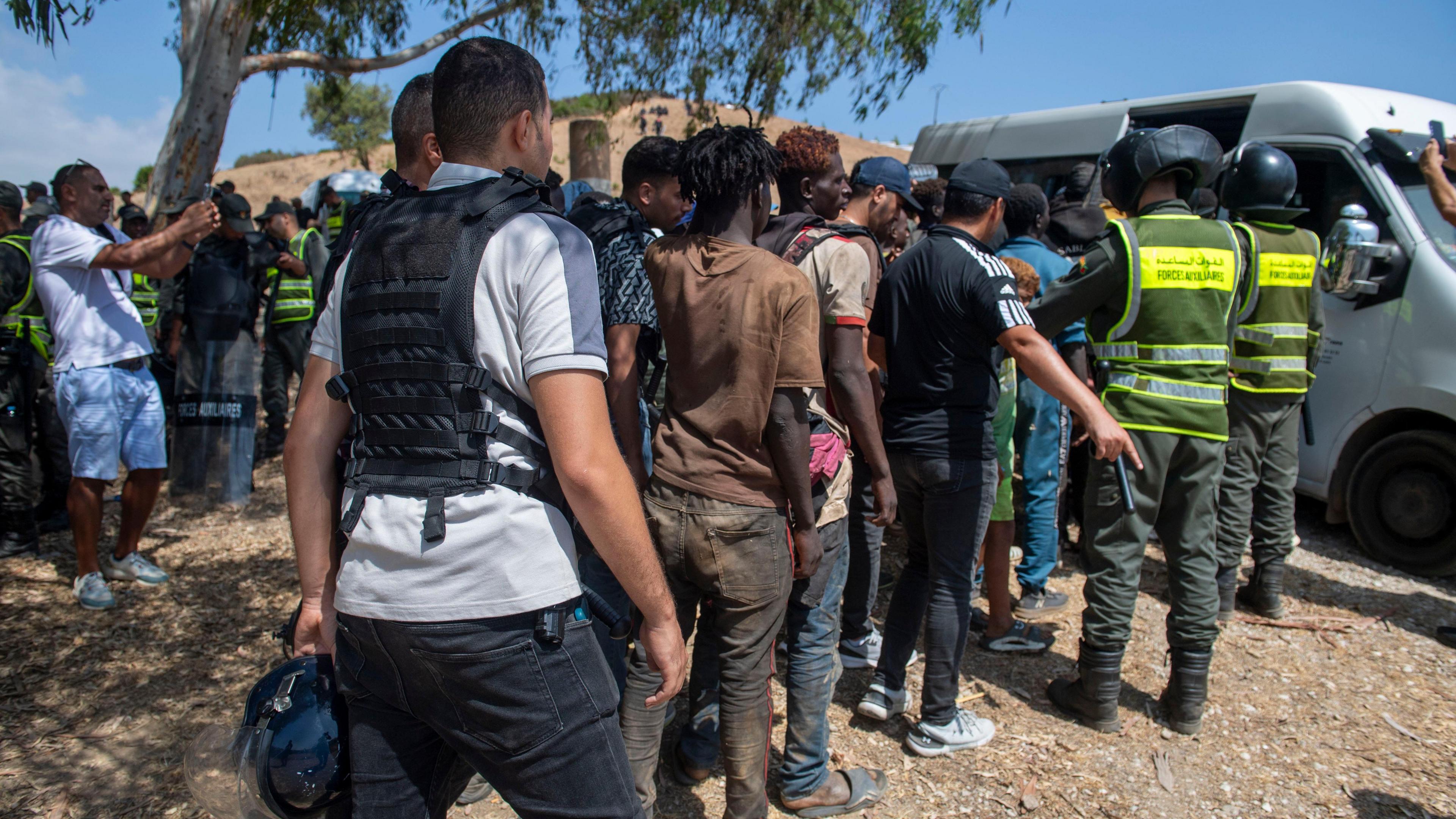
Meanwhile, Moroccan authorities have reportedly used water cannons to deter migrants at the Bab Sebta crossing near Fnideq, and clashes were reported in Melilla’s Beni Ansar border point.
The surge mirrors the May‑2021 incident when around 8,000 people crossed into Ceuta over a few days, exacerbating diplomatic ties with Morocco and prompting Spain to strengthen surveillance, barriers, and bilateral cooperation.
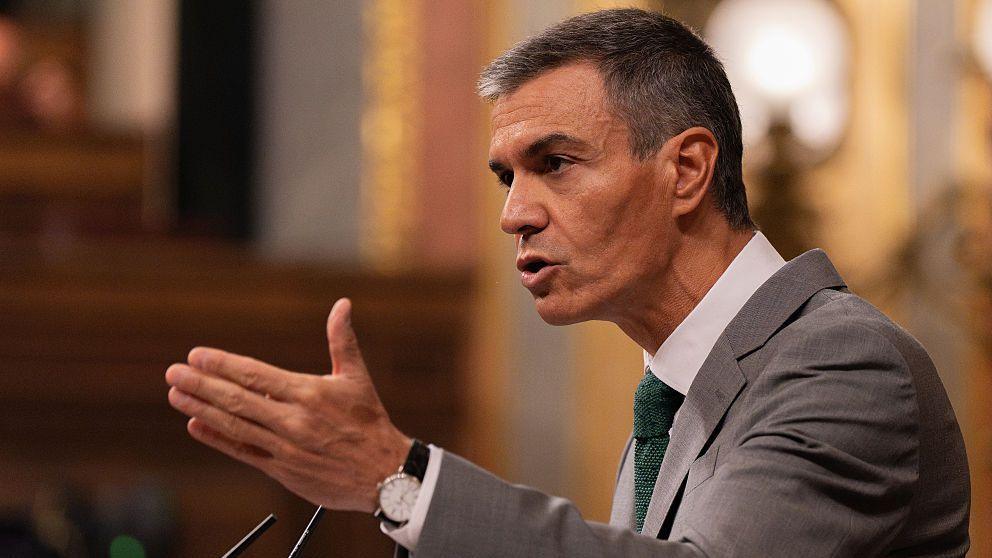
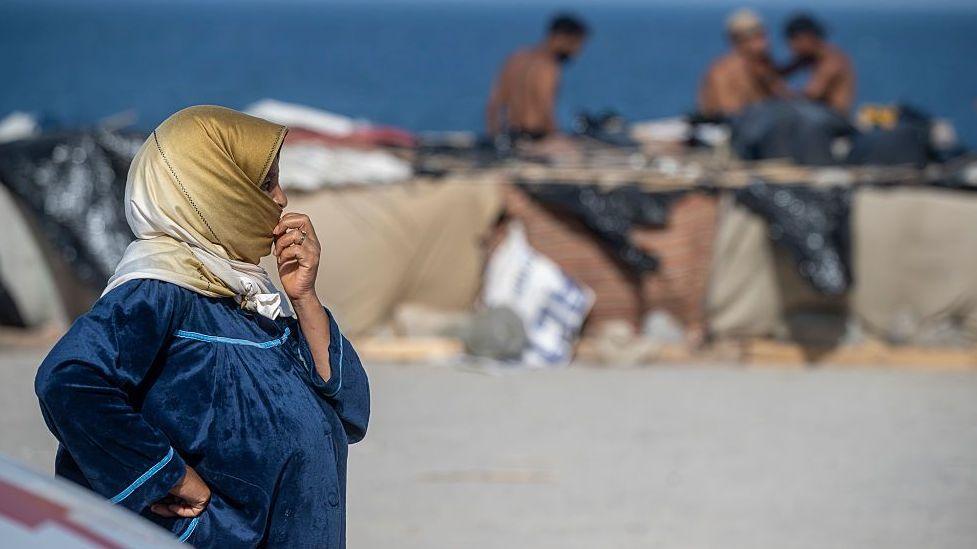
Spanish Prime Minister Pedro Sanchez is set to visit the enclave this coming Friday, pledging a swift return to normalcy. Meanwhile, migration reception centres in Ceuta remain overwhelmed, and local officials accuse Madrid of delayed responses.