SpaceX’s Starship Odyssey: 13 Flights, Their Triumphs and Tribulations
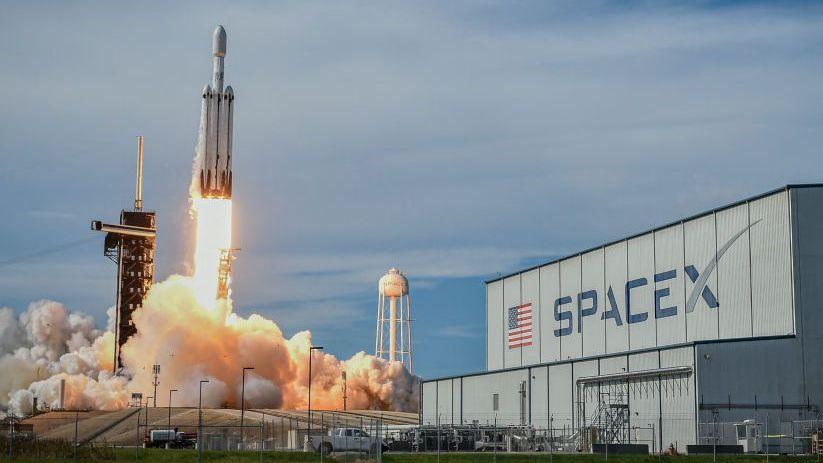
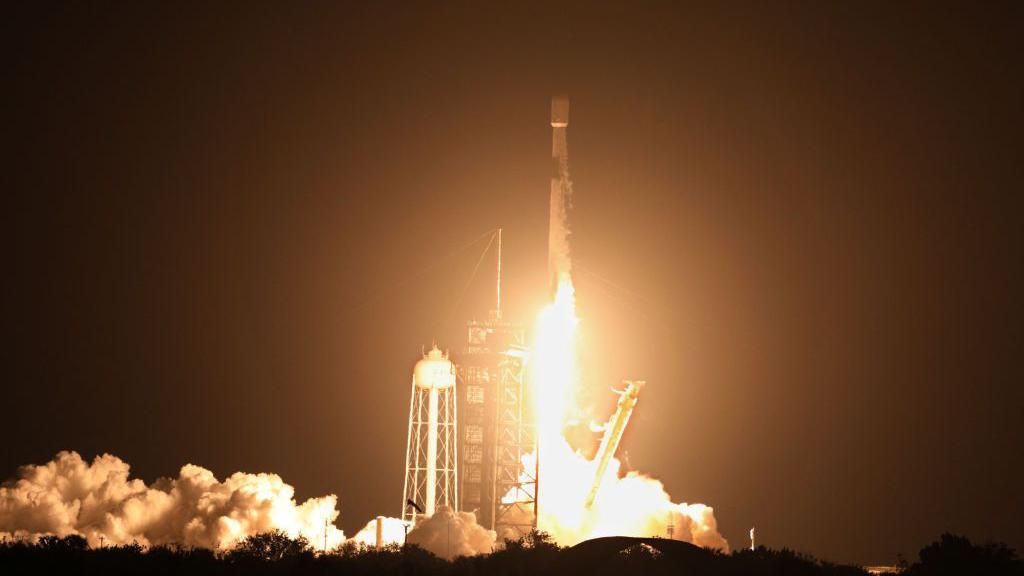
From its maiden launch in 2020 to the present, SpaceX has carried out 13 high‑stakes Starship test flights. Each mission has offered hard lessons, but also undeniable progress toward a reusable, full‑size spaceplane that could launch humans to low Earth orbit and beyond.
A Set of Milestones
- Flight 1 (2020) – a short low‑orbit test that proved basic flight controls.
- Flight 4 (2021) – the first attempt at a high‑altitude “Tier‑2” test, reaching 12‑kilometre altitude before a catastrophic engine failure.
- Flight 8 (2022) – achieved a 380‑km suborbital trajectory across the Atlantic, staying aloft for nearly 10 minutes and setting a record for unmanned rockets.
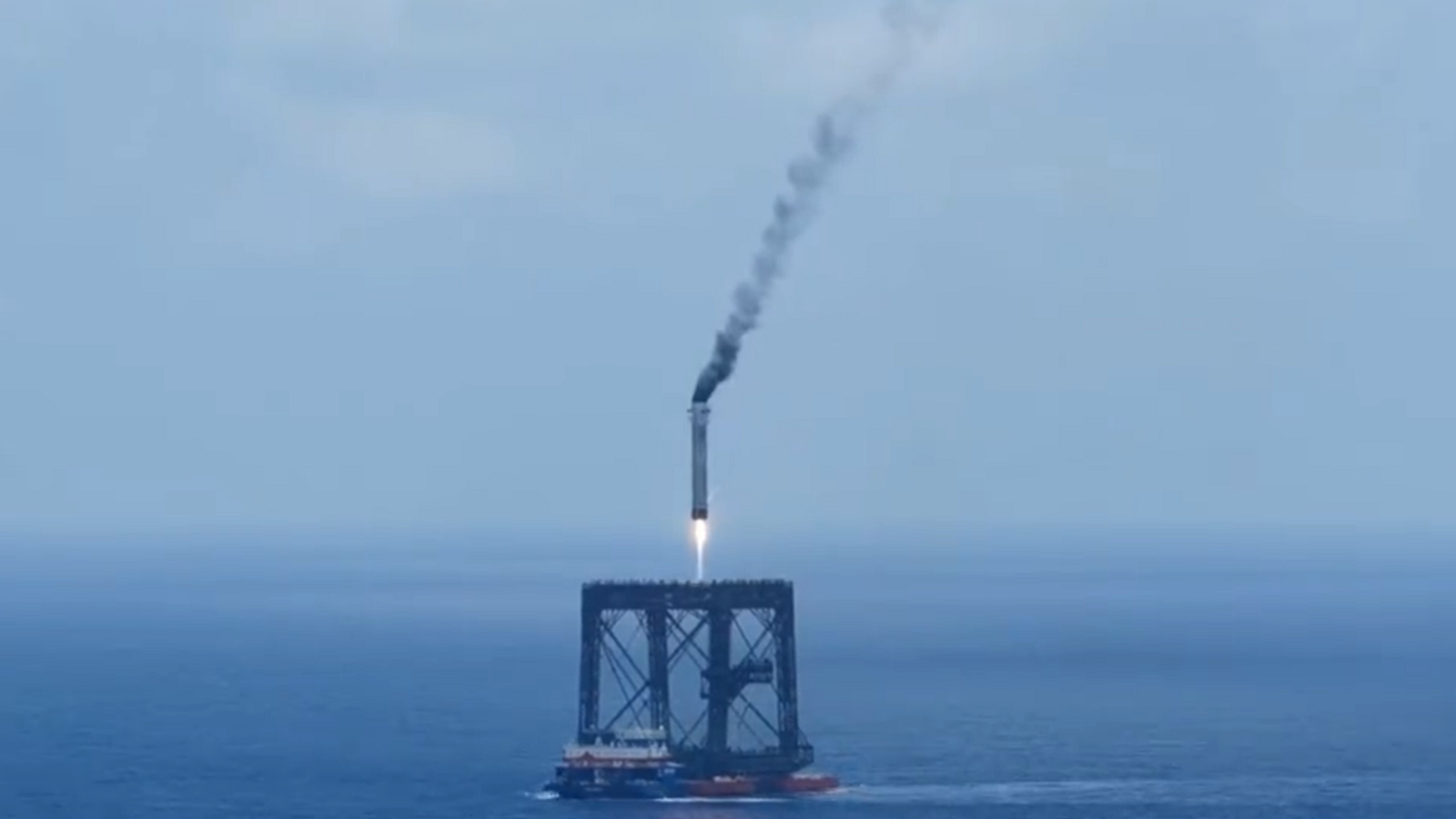
- Flight 11 (2023) – the longest flight to date, exceeding 10,000 kilometres before water land‑ing the booster.
- Flight 13 (2024) – the most ambitious yet, designed for a 10‑hour sequence that should, when successful, carve 2.5–3 orbits and record the farthest distance travelled by a single test vehicle.
Challenges That Shaped the Program
The path has been far from smooth. Early launches suffered from impromptu ocean recovery, failed ignition, and ballistic landings that caused payload loss. Re‑something in the 9‑kW control system, vibration‑damping, and propellant management came from these failures, tightening the design tolerances for future flights.
An Eye on the Future
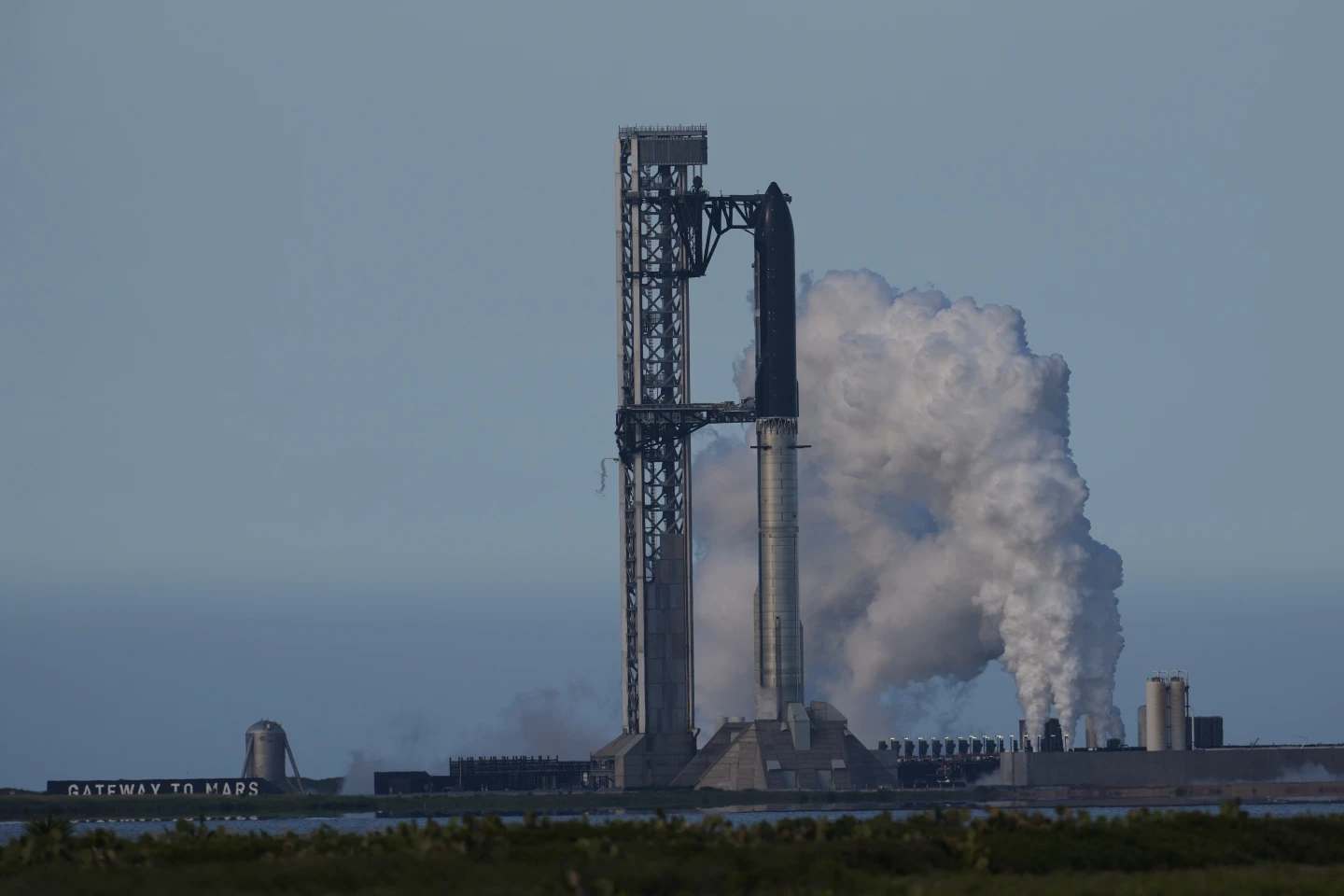
With the 14th flight slated for the near future, SpaceX aims to push Starship onto a real orbital trajectory. Witnessing a fully recyclable launch system achieving stable orbital insertion would be a milestone that could encourage commercial launches, satellite constellations, and the first steps toward Martian exploration. The next several weeks will see engineers tweak in‑flight software, adapt the 8‑engine cluster, and refine launch‑pad cooling to ensure a clean, repeatable ascent.
For a detailed timeline and visual walkthrough, check our interactive gallery and watch the full video embed from the BBC exclusive feature.