In brief
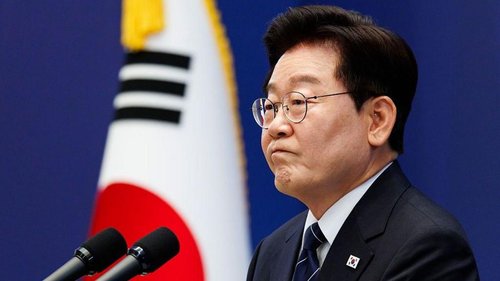
A Jeju Island police officer named Bu has confessed to closing missing person cases without proper investigation to reduce his workload. The admission follows his arrest and subsequent revelations that he falsely reported deaths and contacted families dishonestly. Authorities found several missing bodies after delayed searches, deepening public outrage over police misconduct. President Lee Jae‑Myung declared a need for sweeping reforms and emphasized the honor of the majority of diligent police officers, while the government faces pressure amid recent moves to shift investigative powers from prosecutors to the police.
A scandal that shakes Jeju’s police department and sparks nationwide calls for reform
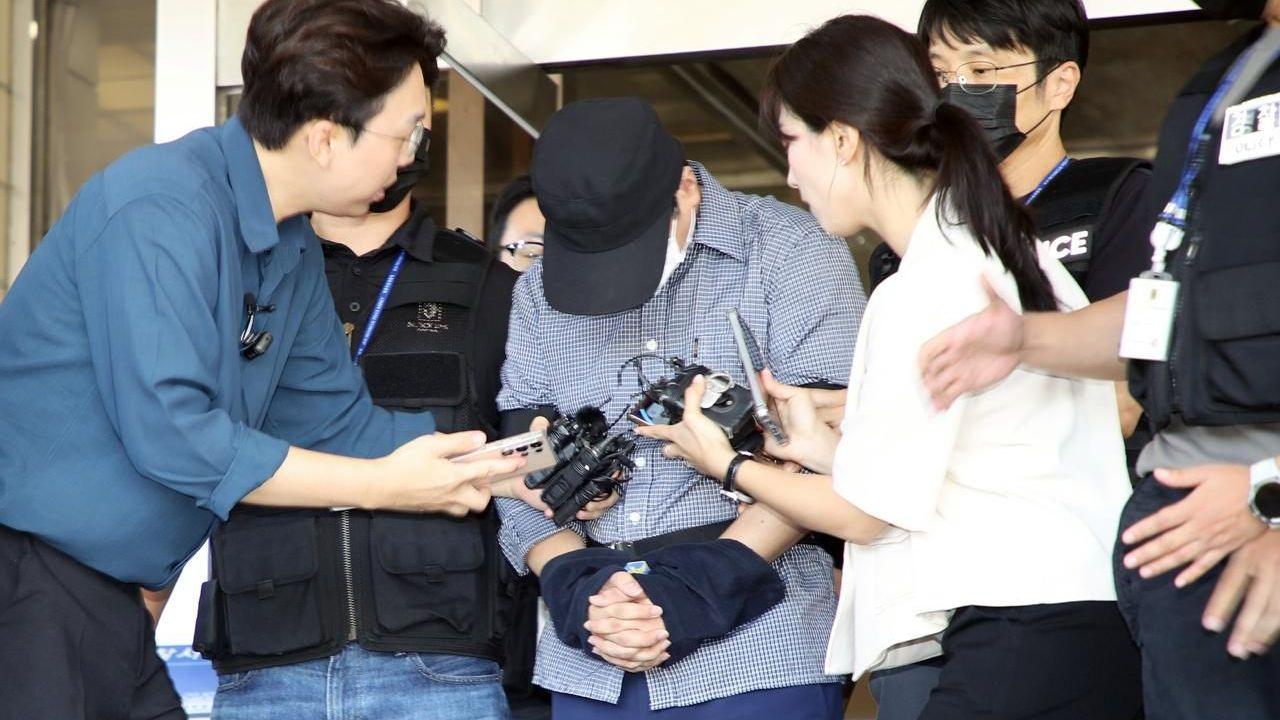
A Jeju Island police officer, surnamed Bu, was arrested this month after admitting he had closed missing person cases without proper investigation to avoid additional work. Bu’s confession came after prosecutors discovered that he had falsified records, claiming he had spoken with the missing individuals and that they were alive when in fact they were not.
The scandal unfolded when missing persons, many of whom are reported each year in South Korea, were prematurely dismissed without evidence. The police began belated searches on Jeju and have since uncovered four bodies, underscoring the severity of the misconduct.
The Korean government has been restructuring police powers by transferring investigative authority from prosecutors to police, a move intended to curb prosecutorial influence. However, the public’s trust in police institutions remains low, and the aggravated scandal has prompted President Lee Jae‑Myung to vow a comprehensive police reform.
In an official statement, the Jeju Provincial Police said Bu had falsely entered data into the system, including claims that missing persons had died in traffic accidents when that was not the case. Bu’s false allegations involved at least two high‑profile cases: a 37‑year‑old woman, Jang Mi‑ran, whose body was later found near a palm tree plantation, and an elderly man whose death was misreported. Authorities suspect he might have closed another 25 cases prematurely.
The incident highlights the tension between recent structural changes in policing and entrenched public skepticism. President Lee’s response stresses that a few “loach‑like” figures tarnish the reputation of diligent officers and demands reforms to restore confidence in law enforcement.