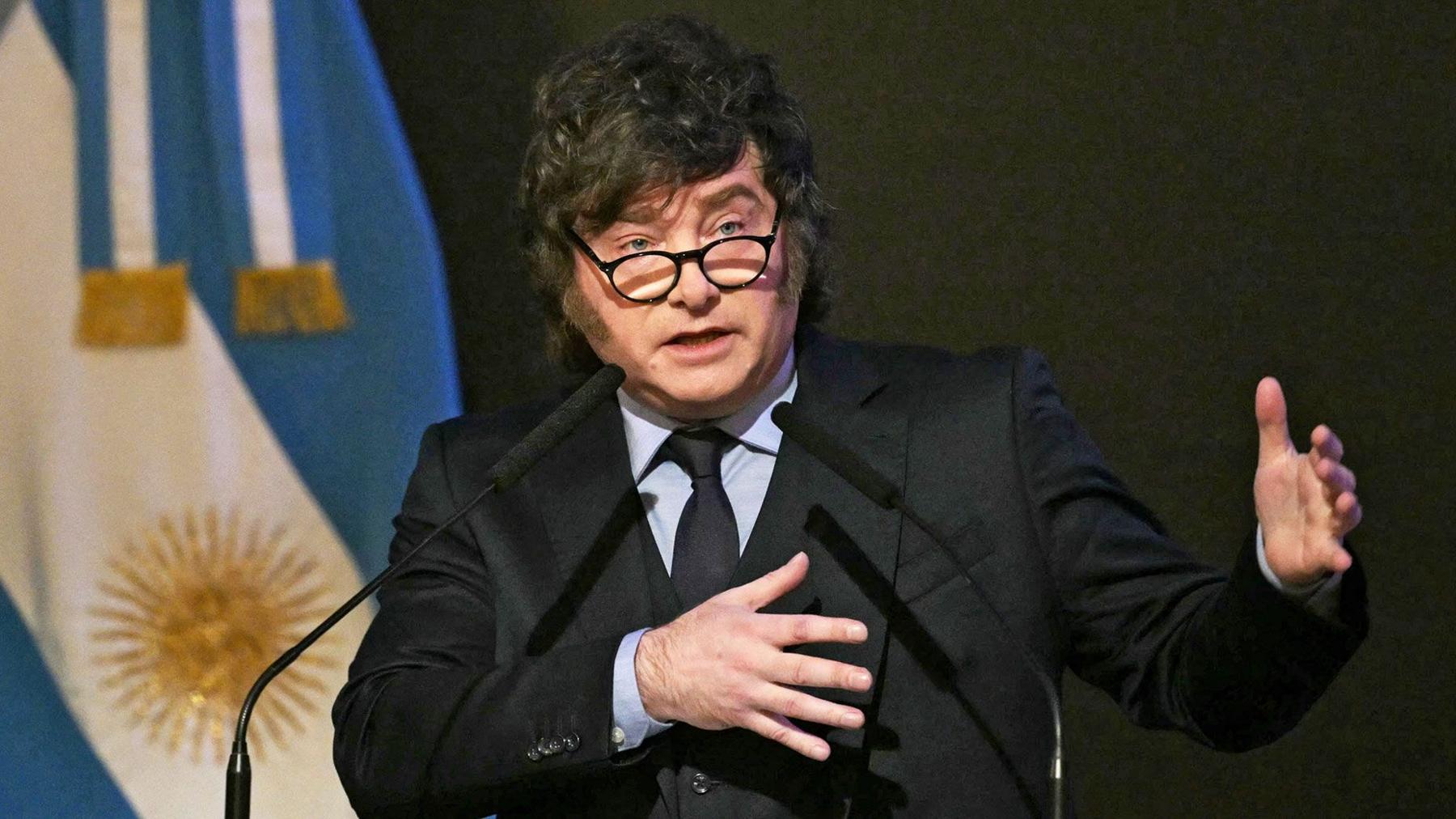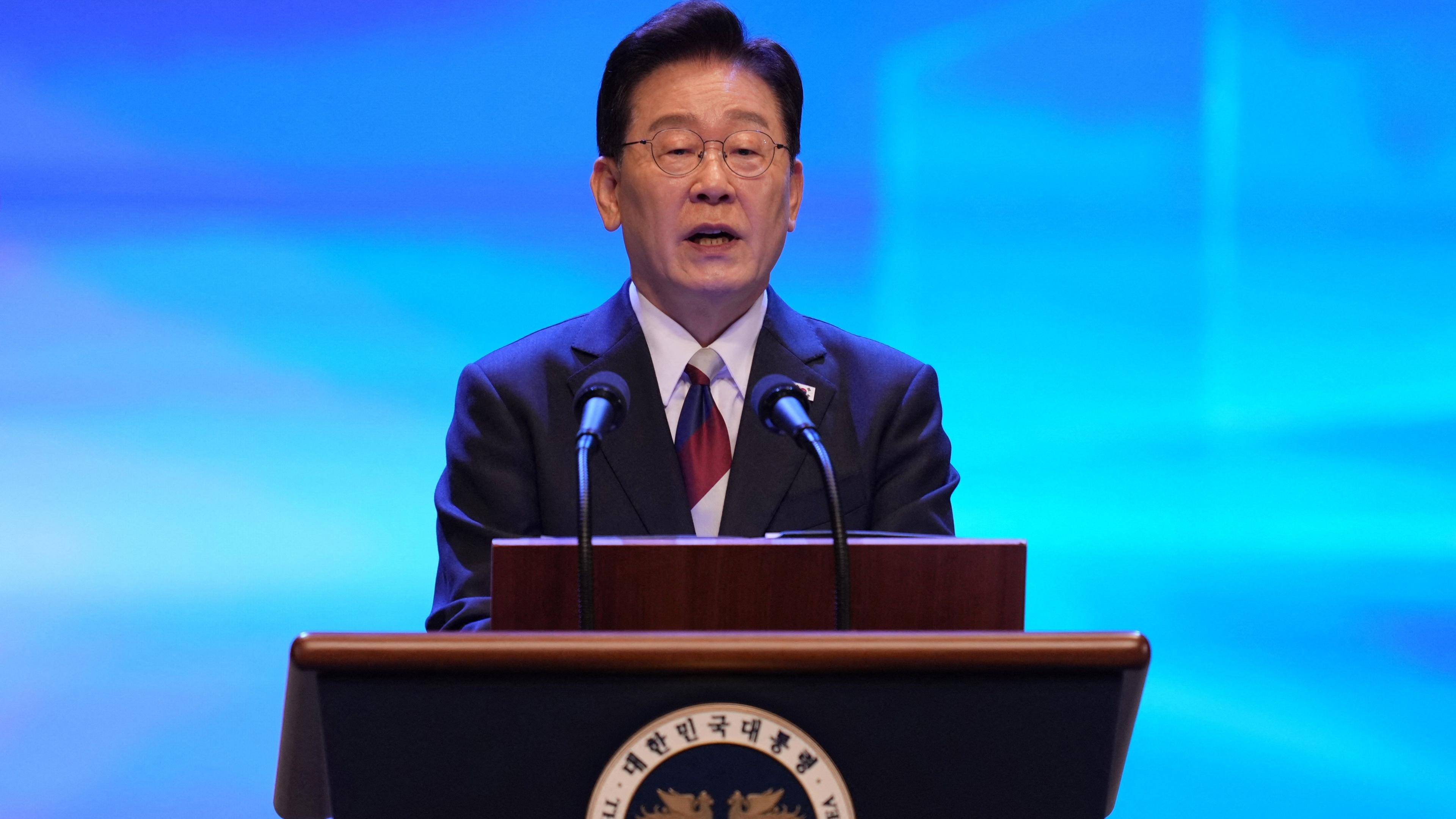
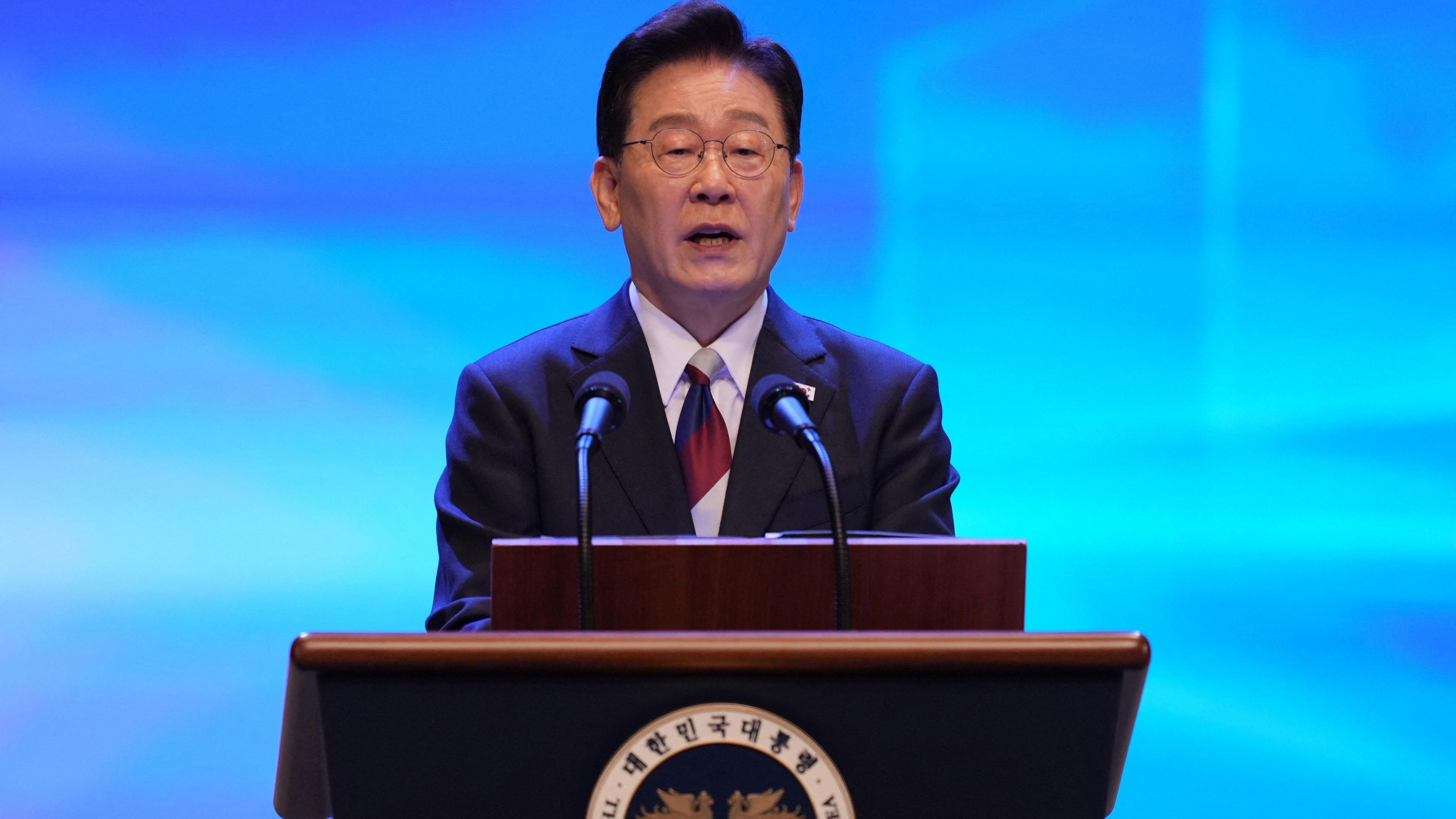
South Korean President Lee Jae Myung has opened a new chapter in relations with the north by proposing a series of talks aimed at officially ending the Korean Peninsula’s technically ongoing war, a conflict that dates back to 1953 and never saw a formal peace treaty.
The call for dialogue centres on a multi‑layered security system designed to prevent flare‑ups along the demilitarised zone, the de‑facto border that has been a flashpoint for decades. Lee also offered to discuss practical ways to curb North Korea’s nuclear ambitions, warning that ballistic missile tests carrying nuclear warheads represent a direct threat to continental stability.
North Korea remains as resistant as ever. The regime’s state news agency reported that Kim Jong Un marked the country’s Liberation Day with a wreath‑laying and guard of honour, but has yet to respond to Lee’s outreach. This follows a pattern of rejections, such as the north’s criticism of proposals for U.S. nuclear‑powered submarines for South Korea and its denouncement of joint drills with U.S. forces.
Kim Jong Un has repeatedly declared that a reunification with the south is impossible, framing the south as an "enemy" and threatening a future occupation should conflict erupt. He reiterated this stance in a 2024 speech, announcing that if war should break out, the north would aim to "recapture" the south and incorporate it into its territory.
South Korea’s push for a cease‑fire agreement could signal a significant shift in regional security dynamics, offering a new platform for addressing mutual concerns and potentially bringing an end to the decades‑long sense of hostility that has defined inter‑Korean relations.